

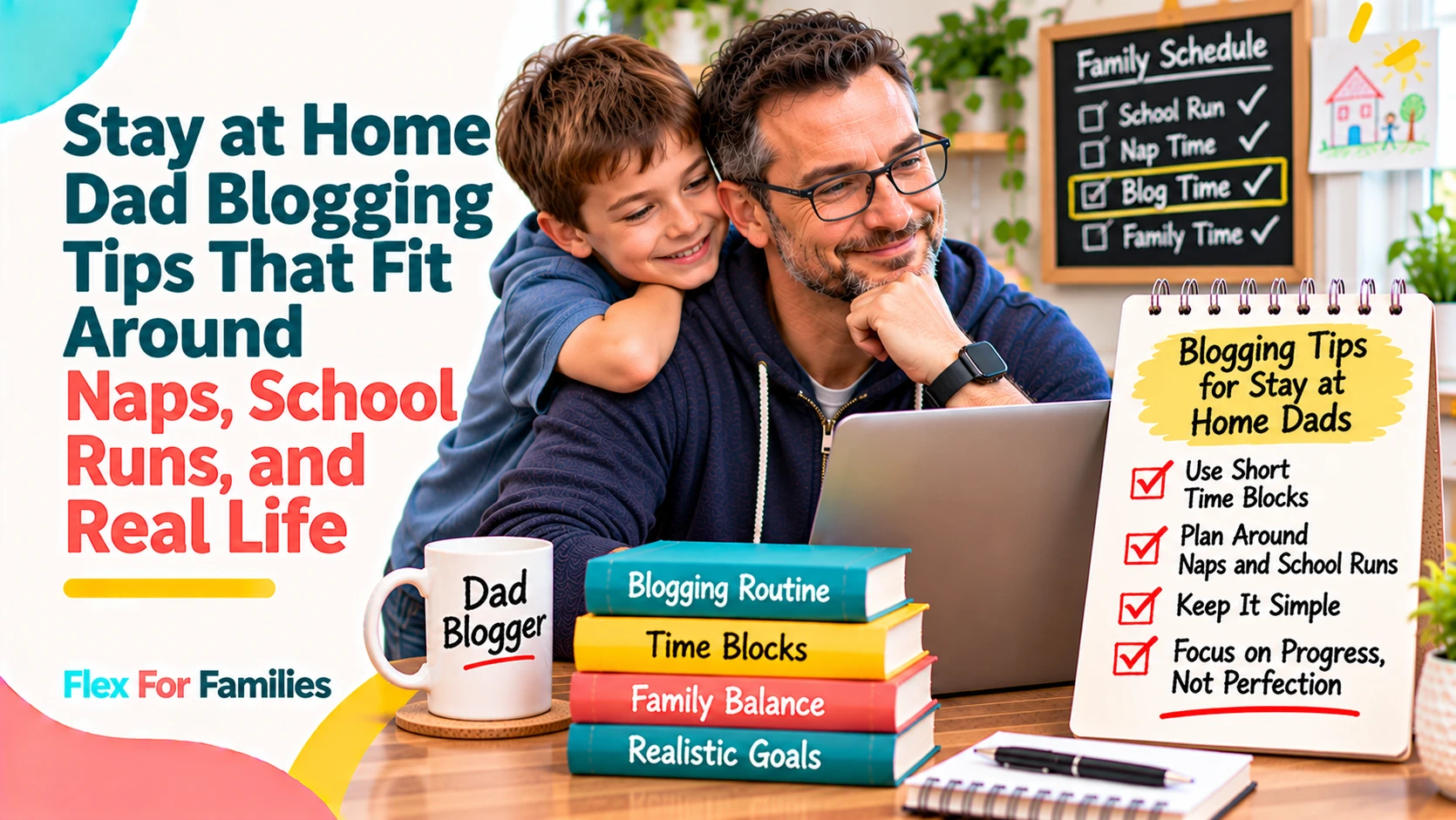
Stay at home dad blogging tips come down to three habits: write about what your days already hold, publish one small post at a time, and study parent blogs that already work. Schedule writing around naps and school runs, and expect income to come slowly, if at all.
Can Stay at Home Parents Make Money Blogging?
Yes, some do, but it is slow, it is not guaranteed, and it should not be the reason you start. A new blog usually earns nothing for a good while, because search engines and readers need time to find it. Anyone who promises fast money from a beginner blog is selling you something.
Money from a parenting blog typically comes from affiliate links, where you recommend a product or service and earn a commission if a reader buys through your link. Some bloggers also sell their own printables or ebooks, or run ads once traffic is steady. Each of these needs readers first, so the early work is writing useful posts, not setting up income streams.
If you want to see how affiliate programs fit together, the guide on finding affiliate programs in your niche is a good next read once you have a few posts up. Until then, treat money as a bonus that might arrive later. A blog you enjoy writing is much easier to keep going through a quiet first year.
What Should a Stay at Home Dad Blog About?
A stay at home dad should blog about the parts of his day he already knows well. You do not need a special expertise. Your daily routine is full of topics that other parents are searching for right now.
Most dad blogging advice is borrowed from mom blogs, and a lot of it transfers. What changes is the angle. Dads at home often get questions from other parents, or from people who are curious, about how the day actually runs. Your own point of view is the part nobody else can copy.
Here is a simple way to find your topic. Write down five things from this past week that you had to figure out, look up, or fix. Then sort them:

- Things that took you a while to work out, such as a bedtime routine, a toddler who refuses vegetables, or getting two kids out the door on time.
- Things you looked up online, because those are questions other people are typing into search boxes too.
- Things you bought or tried, such as gear, apps, or activities, which can later become honest reviews.
- Things you would tell a new parent over coffee, which usually make the warmest posts.
Look for the pattern across your list. If three of the five are about getting kids fed, you may have a blog about easy family meals. If they are about screen time and rainy afternoons, you have a different blog. The topic that keeps showing up is the one you will not run out of things to say about.
One caution: do not pick a topic only because it looks profitable. You will write hundreds of posts over time, and a topic you find dull will wear you out before the blog has a chance to grow.
How Do You Start a Stay at Home Dad Blog Without Much Time?
You start by making the first month small and specific, with one task per week. Here is a plan that fits around a busy house.
Week One: Choose and Set Up
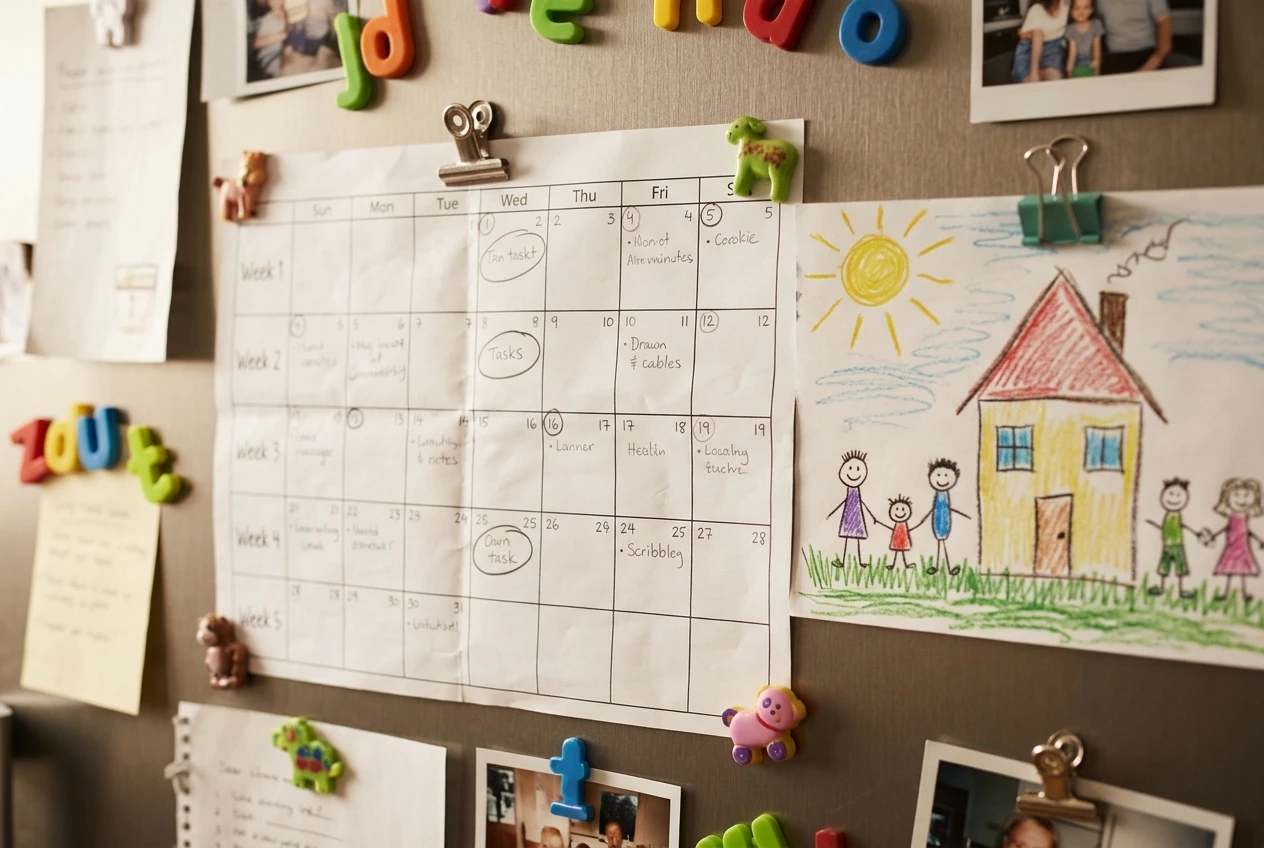
Pick your topic from the list above and give the blog a simple name. Do not spend days on the name. Choose a platform or a home for your site and get the basic pages in place: a short About page and a place for posts to live. If you want a deeper look at how a blog can be organized as it grows, the post on structuring your blogging business around Wealthy Affiliate as a home base walks through it.
Week Two: Write One Post
Write a single post that answers one question a parent might type into a search box. Keep it to the point. A post of 800 to 1,200 words that answers its question clearly is enough. Publish it even if it feels imperfect, because you learn more from one live post than from five drafts.
Week Three: Write Two More
Choose two related questions and answer each in its own post. Related posts help readers move from one page to the next, and they show you which kind of writing comes easily. Add a link from each new post to the others where it makes sense for the reader.
Week Four: Look Back and Adjust
Read what you wrote. Fix typos, tighten the openings, and notice which topic you enjoyed most. Then plan the next month with that in mind. If a post took far longer than you expected, make the next ones shorter or narrower.
That is four posts or fewer, and it is a real start. Small steps matter here, because a blog that has four honest posts is further along than one that has a perfect logo and no writing.
What Can You Learn From the Best Stay at Home Parent Blogs?
You can learn how successful parent bloggers organize, title, and structure their posts, and you can do that for free by reading them with a notebook open. Pick three parent blogs you enjoy and read them as a writer, not only as a parent.

Look at these things:
- How posts are titled. Notice how often the title is a plain question or a plain promise that a tired parent can understand in a second.
- How the first paragraph works. Good posts give the answer or the main point early, so the reader knows they are in the right place.
- How posts are broken up. Short paragraphs, clear subheadings, and lists make a post easy to read on a phone with one hand.
- How they handle affiliate links. Look for a clear note telling readers that a link may earn the writer a commission. Being open about this builds trust, and in many places it is a legal requirement, so check the rules where you live.
- How the blog is arranged. See how the menu, categories, and About page help a first-time visitor find what they came for.
Then notice what is missing. If every blog you read is written by a mom with a certain routine, there may be space for a dad’s voice and a different set of examples. Learn from their structure, and write the content in your own words from your own days. Do not copy their wording or their photos.
The same applies to community. Reading is useful, and talking with other new parent bloggers is better, because they can tell you what slowed them down and what to skip.
How Do You Fit Blogging Around Your Kids’ Day?
You fit it in by working in short, repeatable blocks and letting go of the idea of a long, quiet writing session. Most days at home do not offer one. They offer twenty minutes here and forty there.

Try matching the task to the size of the gap:
- Nap time or quiet time (30 to 60 minutes): Draft the main body of a post. This is your best block, so use it for the work that needs focus.
- School run waiting or a car queue (10 to 15 minutes): Jot post ideas, outline a section, or answer a comment on your phone.
- After bedtime (if you have energy): Edit, add links, and publish. If you are tired, skip it. A missed evening costs less than burning out.
- Weekend time with a partner or family help: Take one longer session for planning the next few posts.
A few habits make this easier. Keep a running list of post ideas in your phone so you never start from a blank page. Write the headings of a post first, then fill them in during separate blocks. Decide in advance how many posts you will publish each week, and choose a number you can keep up even in a hard week. One post a week is a good pace for most new bloggers with young kids at home.
Some weeks will fall apart because of illness, a school holiday, or a toddler who will not sleep. Skip the week and pick it up again. The post on sustainable blogging for parents covers how to keep a pace you can hold for years, and that matters more than any one busy week.
Final Thoughts
Blogging as a stay at home dad works best when it is built around your actual days, not an ideal schedule. Choose a topic from what you already know, publish a small first batch of posts, read other parent blogs for structure, and keep your pace gentle. Take your time. A blog that grows slowly and stays alive is better than one that starts fast and gets abandoned.
If you want a place to build your first blog, take a look at Wealthy Affiliate as your home base. It is one small step you can take at your own pace, and you can look around before you decide anything.
Let’s Chat
What is the one thing from your day that you would most like to write about, and what has stopped you from starting? Share it in the comments, and let’s keep it simple together.