
If you’re wondering how to start a parent blog in 2026, the good news is it’s much simpler than most people think.
You don’t need tech skills, loads of time, or a perfect plan. What you do need is a clear starting point and a way to fit blogging around family life.
This guide walks you through the exact steps to get your blog live, even if you’re starting from scratch and working in short pockets of time.
How to Start a Parent Blog in 2026
Starting a parent blog is simple. Choose a niche, pick a platform, set up your site, write helpful content, and stay consistent. Most parents can launch their first blog in a weekend using beginner-friendly tools, then grow it step by step around family life.
If you want a head start, check out my guides on choosing your niche and starting without tech overwhelm:
- Find Your Parent Niche
- Wealthy Affiliate helps parents start a blog without the tech stress
Every parent blog starts somewhere. Here’s your roadmap through the Parent Blogging Success series — from your first post to building income that fits your family.
Why Parent Blogging Works for Real Families
Blogging can be a handy way for parents to create a flexible income that works around your family’s schedule, not the other way around. You decide when you work, what you write about, and how much time you put into it. There’s no commute and no boss breathing down your neck. It becomes your own little corner of the internet where you call the shots.

The best part is you don’t need a giant budget to get started. Most parents who begin blogging are working with free tools and hosting that can cost less than a pizza each month. Blogging also gives you a way to connect with other parents on a real level, sharing the stuff that actually matters… even when it’s messy and unfiltered.
Parent blogging isn’t about chasing trending topics or getting wrapped up in comparison games. It works best when you focus on your own experiences and offer support to other parents. That genuine connection is what makes a parent blog helpful and memorable for both you and your readers.
On top of the flexibility, you can stumble upon friendships, partnerships, and opportunities you never expected. Many parent bloggers find themselves supporting charities, running workshops, or starting side businesses, all thanks to their blogs.
If you’d like to see why blogging fits so naturally into family life, this post breaks down the biggest reasons parents love the flexibility it brings – and how it can work for you too.
How to Start a Parent Blog in 2026, Step by Step
Starting a parent blog does not need to be complicated. If you follow a simple step-by-step approach, you can go from idea to live blog in a short amount of time. Each step builds on the last, so you are not trying to figure everything out at once. Focus on getting the basics in place first, then improve as you go. This is how most parents successfully start a blog while balancing family life.
Step 1: Choose a Parent Blogging Niche
Your niche is what your blog focuses on. It helps readers understand what you talk about and helps Google know who to show your content to.

You do not need a perfect niche. You need a clear starting point.
Start by asking yourself:
- What do I already experience as a parent?
- What problems have I solved that could help others?
- What topics could I write about consistently?
Good parent blog niches include:
- New parent tips
- Budgeting for families
- Special needs parenting
- Meal planning for busy parents
- Side hustles and income from home
If you go too broad, it becomes harder to grow. “Parenting” is too wide. “Meal planning for busy parents” is much easier to build around.
Pick something specific, then expand later.
If you need help narrowing things down, check out:
Once you’ve got a few ideas for your niche, dive into this guide where I share real examples and tips to help you find your unique voice and attract readers who truly connect with your story.
Step 2: Pick a Blogging Platform
Your platform is where your blog lives. This is the tool you use to build and manage your site.
Most parent bloggers choose between three simple options:
- Self-hosted WordPress
- All-in-one platforms
- Free blogging platforms
Here is how they compare:
- Self-hosted WordPress
- Best for long-term growth
- Full control
- Small yearly cost
- All-in-one platforms (like Systeme.io)
- Easier setup
- Everything in one place
- Monthly cost
- Free platforms
- No upfront cost
- Limited control
- Harder to grow and monetize
If you are serious about building income, self-hosted WordPress is usually the best choice. It gives you full control and room to grow.
If you want something simpler to start with, an all-in-one platform can help you get going faster.
For a deeper look at your options, see:
- Bluehost Review
- Systeme.io Review
- The Best Blogging Tools for Parents
- Best Platforms for Parent Blogging
Take your time with this step, but do not get stuck. You can always adjust later.
If you want a simple, beginner-friendly way to get started with everything in one place, many parents choose platforms like Wealthy Affiliate to build their first blog without the tech overwhelm.
What You Need to Start a Parent Blog
You do not need a long list of tools to get started. In fact, keeping things simple will help you move faster and avoid overwhelm.
Here are the only essentials you need:
1. A Domain Name
This is your blog’s name and web address.
Keep it simple, easy to spell, and relevant to your niche. It does not need to be perfect. You can build your brand around it over time.
2. A Blogging Platform
This is where your blog lives and where you manage your content.
Most parents choose either:
- A self-hosted WordPress site for full control
- An all-in-one platform for simplicity
If you want a beginner-friendly way to set everything up in one place, platforms like Wealthy Affiliate guide you through the process step by step.
3. A Few Blog Post Ideas
Before you start, have 3 to 5 simple ideas ready.
Focus on:
- Questions you have already answered as a parent
- Problems you have solved
- Tips that make everyday life easier
You do not need a full content plan yet. Just enough to get started.
That is all you need. Keep it simple, get your blog live, and improve as you go.
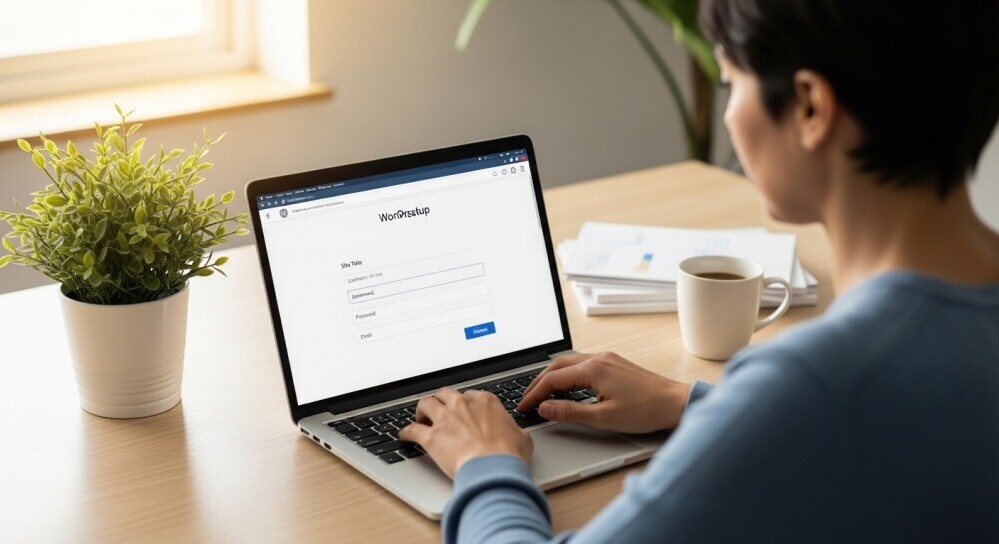
Step 3: Set Up Your Blog (The Simple Way)
This is the part most parents worry about, but it is much easier than it sounds.

At a basic level, setting up your blog means:
- Registering a domain name
- Choosing your platform
- Getting your site live
Most hosting platforms guide you through this step by step. You do not need to code or figure things out alone.
When choosing a domain name:
- Keep it simple and easy to remember
- Avoid long or complicated words
- Try to reflect your niche or audience
Once your site is live, focus on the basics:
- Choose a clean, simple theme
- Set up your homepage and blog page
- Add an “About” page so readers know who you are
You do not need a perfect design. A simple, clear blog works best when you are starting out.
If you want a beginner-friendly walkthrough, check out:
- How To Choose The Perfect Blog Theme For Your Family Brand
- Budget-Friendly Tech Setup for Parent Bloggers
Keep moving. You can improve your site later.
When you’re ready to make blogging smoother, these tools can help you design faster, stay organised, and keep your blog running without stress.
Step 4: Write Your First Blog Post
This is where many parents get stuck. They wait until everything feels ready.

You do not need to wait.
Your first post does not need to be perfect. It just needs to be helpful.
Start with a simple idea:
- A problem you have solved
- A question you have answered
- A routine that works for your family
Use this basic structure:
- Clear title
- Short introduction
- Main points or steps
- Simple conclusion
Focus on helping one person with one problem.
For example:
- How I manage meal planning as a busy parent
- Simple routines that helped my child sleep better
- Easy ways to save money on family shopping
As you write, keep your tone natural. Write like you are talking to another parent.
If you want help improving your writing, see:
- How to Write Blog Posts That Connect and Keep Parents Coming Back
- How to Write Authentic Parenting Content That Builds Trust
The goal is progress, not perfection. Publish your first post and build from there.
Step 5: Publish Your Blog and Stay Consistent
Once your first post is ready, it is time to hit publish.

This is where your blog becomes real.
You do not need a full site with dozens of posts. One helpful post is enough to start. What matters now is consistency.
Set a simple schedule you can stick to:
- 1 post per week if your time is tight
- 2 to 3 posts per week if you can manage it
Even 30 to 60 minutes a day is enough to build momentum.
Focus on:
- Writing helpful content
- Solving real problems for other parents
- Showing up regularly
Consistency beats perfection every time.
If you stop and start, growth slows down. If you keep going, even slowly, your blog builds over time.
If you need help building a routine, check out:
- How to Build a Simple Blogging Routine That Fits Family Life
- Time-blocking Routines For Stay-at-home Parent Bloggers To Boost Productivity
Keep it simple and keep going. That is how blogs grow.
Most blogs do not grow overnight. The parents who succeed are the ones who keep showing up, even when progress feels slow at the start.
Step 6: Start Learning How Blogs Make Money
You do not need to make money on day one, but you should understand how it works early on.

Most parent bloggers earn through:
- Affiliate marketing, recommending helpful products
- Display ads, earning from traffic
- Digital products or services
The most beginner-friendly option is affiliate marketing. You recommend tools, products, or services that help your audience, and earn a commission when someone signs up or buys.
For example:
- Recommending blogging tools you use
- Sharing platforms that help parents start blogs
- Linking to products that solve everyday problems
Focus on trust first. Income comes later.
If you want a simple breakdown, see:
- Monetisation Made Simple: Beginner-Friendly Ways Parents Can Earn From Blogging
- Affiliate Marketing For Parents: Flexible Income, Family-First Approach
Learn as you go. You do not need everything figured out to get started.
When you’re ready to earn from your blog, these affiliate programs are beginner-friendly, ethical, and perfect for family-focused content.
If you want detailed help mapping out your blog and income plan, the Parent Blogging Hub is open to new members. I’ll guide you through each step, with real examples and support.
Step 7: Focus on One Simple Path and Learn as You Go
One of the biggest mistakes new parent bloggers make is trying to do everything at once.

SEO, Pinterest, email lists, affiliate marketing, social media. It quickly becomes overwhelming.
You do not need all of that right away.
Pick one simple path and stick with it:
- Focus on writing helpful blog posts first
- Learn basic SEO so your content can be found
- Add monetisation once you have a few posts live
That is enough to get started.
As your blog grows, you can layer in more:
- Pinterest for traffic
- Email lists for long-term growth
- Advanced strategies later on
Trying to do everything early slows you down. Keeping it simple helps you stay consistent.
If you want a clearer plan, check out:
- How To Plan Your Next 30 Days of Blog Growth
- SEO Made Simple for Parent Bloggers: How To Get Your Blog Found
Progress comes from doing the basics well, not doing everything at once.
If you ever feel like you’re short on time, these simple habits will help you stay consistent without letting your blog take over family life.
What to Do Next
Now that you know how to start a parent blog, the next step is to keep things simple and build momentum.
 Whether you’re still brainstorming your blog name or sitting down to write your tenth post, every little step moves you forward. If you want to connect or chat about how your blogging ride is going, leave a comment below… I’d love to hear your story!
You do not need to figure everything out at once. Focus on one area at a time and grow from there.
Here are the best next steps to take:
1. Learn How to Get Traffic to Your Blog
Writing posts is the first step. Getting people to read them is what helps your blog grow.
Start here:
- SEO Made Simple for Parent Bloggers: How To Get Your Blog Found
- How To Grow Blog Traffic As A Busy Parent (Without Burning Out)
2. Understand How Blogs Make Money
Once you have a few posts live, you can start learning how income works.
Start here:
- Monetisation Made Simple: Beginner-Friendly Ways Parents Can Earn From Blogging
- Affiliate Marketing For Parents: Flexible Income, Family-First Approach
3. Build a Simple Content Plan
A plan helps you stay consistent, even with limited time.
Start here:
4. Keep Your Blogging Routine Manageable
The goal is to build your blog around your life, not the other way around.
Start here:
- How to Build a Simple Blogging Routine That Fits Family Life
- Time-blocking Routines For Stay-at-home Parent Bloggers To Boost Productivity
You do not need to do all of this today. Pick one next step and focus on that.
If you want a simple, beginner-friendly way to bring all of this together in one place, you can explore Wealthy Affiliate. It walks you through the process step by step and helps you build your blog at your own pace.
And if you are not sure what your next step should be, drop a comment below and let’s chat.
Final Thoughts: You Can Start Simpler Than You Think
Starting a parent blog in 2026 does not need to feel overwhelming.
You do not need perfect ideas, lots of time, or technical skills. You just need a clear starting point and a plan you can follow in small pockets of time.
If you work through the steps in this guide, you can get your blog live and start building something that fits around your family life. From there, it becomes about staying consistent, learning as you go, and improving step by step.
Many parents start exactly where you are now. The difference is they take action and keep going.
If you are ready to take that next step and want a simple way to get started, Wealthy Affiliate is a great place to begin. It gives you the tools, training, and support to build your blog without the overwhelm.
Start your blog the simple way today and take your first step toward flexible income
And I would love to hear from you.
Are you thinking about starting a parent blog, or have you already started and feel stuck?
Drop a comment below and let’s chat.
How to Start a Parent Blog: FAQ Section
How much does it cost to start a parent blog?
You can start a blog for free using basic platforms, but they come with limits. A self-hosted blog usually costs around £50 to £100 per year, depending on your hosting and domain. This gives you more control and better long-term growth.
Can I start a parent blog with no experience?
Yes. Most parent bloggers start with no experience at all. Many platforms are designed for beginners and guide you through each step. You can learn as you go and improve over time.
How long does it take to make money from a parent blog?
Most parents start seeing traffic within 3 to 6 months if they stay consistent. Income usually follows after that. Some blogs earn small amounts early, but steady income often takes 6 to 12 months.
Do I need to post every day?
No. Consistency matters more than frequency. One post per week is enough to build a blog if you stick with it over time.
What should I write about as a parent blogger?
Start with your own experience. Focus on problems you have solved, routines that work for your family, or questions other parents are asking. This makes your content more helpful and easier to write.
Can I start a parent blog with no money?
Yes, you can start for free using basic platforms, but most parents move to a self-hosted blog for better control and income potential. Starting small is fine, but investing later gives you more flexibility.
Let’s Chat
What’s one thing holding you back from starting your parent blog? Or, if you’re already rolling, what’s your next big goal? Drop a comment… I answer everyone!

I think the key here is finding the time to write a blog in-between all the parenting. But using platforms like Wealthy Affiliate definitely do help in taking all the tech stuff away and simplifying things, as well as offering great training.
You have also given some great ideas for niches in the ‘parent blog space’ to try out. What is the best way to find out what types of questions parents out there are asking so that you know what to write about.?
Hi Michel,
You’ve nailed the biggest challenge straight away; it’s not the lack of ideas, it’s finding the time and headspace around parenting. That’s where having things simplified really does help.
Great question on finding what to write about, too, because this is where a lot of blogs either take off or stall.
The best way is to focus on real questions parents are already asking, not guessing topics. A few simple ways to do that:
• Google suggestions
Start typing something like “how to…” or “why does my toddler…” and see what Google suggests. Those are real searches happening right now.
• “People also ask” section
Search a parenting question and look at the dropdown questions Google shows. These are gold for blog ideas.
• Parent forums and groups
Places like Facebook groups or Reddit parenting threads are full of real-life questions. Look for repeated struggles or themes.
• Your own experience
This is often the best starting point. Think about questions you’ve Googled yourself or problems you’ve faced. If you’ve wondered it, other parents have too.
• Comments and conversations
Even small bits of feedback or questions from others can turn into great posts.
A simple way to use this:
Pick one question, write one helpful post that answers it clearly, and don’t overcomplicate it.
That approach tends to work much better than trying to cover broad topics. It also makes writing quicker, which helps when you’re fitting it around family life.
Out of curiosity, have you got a niche in mind already, or are you still exploring ideas?
John
This was such a clear and motivating guide for anyone thinking about starting a parent blog. I really appreciate how you broke the process down into simple, manageable steps — it takes away so much of the overwhelm that new bloggers often feel. Your focus on choosing a niche, understanding your audience, and building trust through real stories is especially powerful, because those are the pieces that truly help a blog grow in a meaningful way. I also love how you highlighted the importance of consistency and connection rather than chasing quick wins. This kind of grounded, practical advice gives parents the confidence to start sharing their voice and building something they’re proud of.
Hi Kiersti,
Thank you so much, I really appreciate that.
I’m glad the step-by-step approach helped make things feel more manageable. Starting a blog can feel overwhelming at first, so breaking it down into simple actions is usually what helps people actually begin.
You’ve picked up on the key pieces too, niche, audience, and trust. When those are in place, everything else becomes a lot clearer. Traffic, engagement, and even monetisation tend to follow more naturally.
I also love that you highlighted consistency and connection. That’s what turns a blog into something meaningful over time, especially for parents who are fitting this around real life rather than chasing quick wins.
Thanks again for such a thoughtful comment. It’s great to know it’s helping parents feel confident enough to get started.
John
Hi John,
This really hits the mark, especially for parents who feel like they need everything figured out before starting. I like how you kept bringing it back to simplicity and consistency instead of overloading people with strategies. The concept about writing from your own experience hit my heart too. Also, the reminder that one post is enough to start is huge. So many people delay launching because they think they need a full site ready. Curious though for parents who struggle with staying consistent long term, what’s one habit you’ve seen make the biggest difference? This is an another valuable article from you. Keep writing content like this. All the best.
Hi Shafna,
Thank you so much, I really appreciate that.
I’m glad the focus on simplicity and starting small resonated. That “one post is enough” mindset is often what gets people moving instead of overthinking.
Great question on consistency too. If I had to pick one habit that makes the biggest difference, it would be:
Having a simple, repeatable weekly writing slot.
Nothing complicated, just something like:
• 2–3 short sessions a week
• Even 20–30 minutes each
The key isn’t the amount of time, it’s making it predictable. When it becomes part of your routine, it removes the daily “when will I do this?” decision, which is where most people get stuck.
I’d also add a small mindset shift that helps:
Don’t aim to finish everything, just aim to move it forward each session. One section written, one edit done, one idea outlined, it all counts.
That combination of a regular slot + small progress is usually what keeps parents going long term without burning out.
Thanks again for such a thoughtful comment, and I’m really glad you’re finding the content helpful.
John