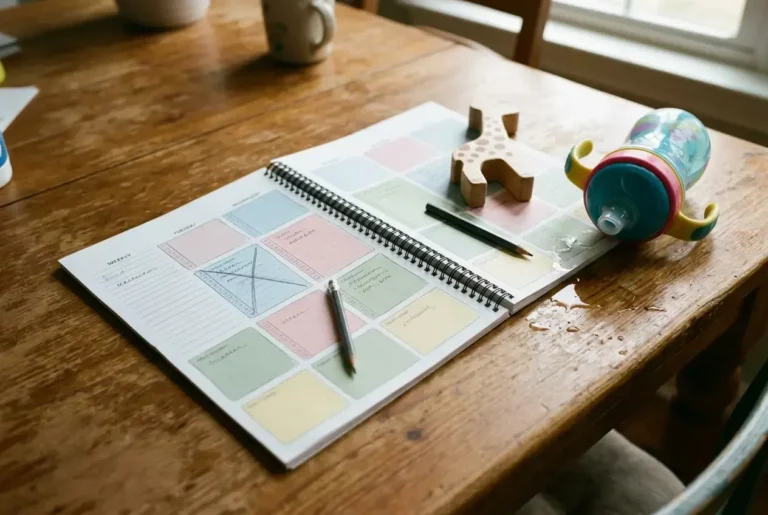

Most of the mistakes new parent bloggers make in the first few months have nothing to do with talent or effort. They come from guessing what a blog is supposed to look like, then trying to match that guess in the scraps of time a parent has. Almost all of them can be fixed in small pieces, in the time a nap or a quiet half hour gives you.
Here are seven common ones, each with a fix that fits around a real day.
Waiting until everything feels ready before you publish
A new blog has a lot of loose ends: a logo you haven’t picked, an About page that needs rewriting, a menu that looks a bit empty. It is easy to decide that you will publish once these are sorted. Then another week goes by, because the kids were sick, or you only had time to tweak a font.

Nothing gets better while it sits unpublished. A blog improves when real posts go up and you see what it is like to write them, how long they take, and which ones you enjoy. Your first posts are also unlikely to be seen by many people, so the cost of an imperfect one is low.
A fix that fits a nap: set a publish date for your first post and write only that post until it is done. Leave the logo, the menu and the About page for later. A plain, readable post with a clear title is enough to go live.
Choosing a topic so broad you never know what to write next
“Parenting” is a subject, not a blog topic. If your site covers everything from toddler meals to budgeting to travel, every writing session starts with the same question: what do I write about today? That question eats a lot of a short work window.
A narrower focus gives you an easy next post. A blog about helping toddlers settle into a bedtime routine will never run out of ideas, because every parent’s questions about it lead to another post. The narrow version is also easier for a reader to understand in a few seconds, which matters when someone lands on your site for the first time.
You can still widen the topic later. Starting narrow only means you don’t have to guess where to begin.
A fix that fits a nap: write one sentence that finishes “I help parents who ___ to ___.” Then list ten questions those parents might type into a search box. That list is your first ten posts. If you want help turning those questions into posts people can find, the simple SEO tips for parent bloggers are a good next read.
Spending on tools and extras before you have a single reader
Blogging comes with a long list of things to buy: premium themes, design subscriptions, planners, courses, plugins, email tools. Each one is sold on the idea that it will make you look more professional or work faster. Before you have readers, almost none of them change the outcome, because the main thing a new blog lacks is posts.
The tools worth paying for are the ones that remove a specific problem you actually have. Until you have that problem, a free option usually does the job. Choosing where to build the site is one real decision, and it is worth looking at the blogging platform alternatives compared before you commit, so you don’t pay for something that doesn’t suit a busy household.
Courses deserve the same caution. Some are worth the money and some are not, and the free vs paid blogging courses comparison can help you tell which is which before you spend.
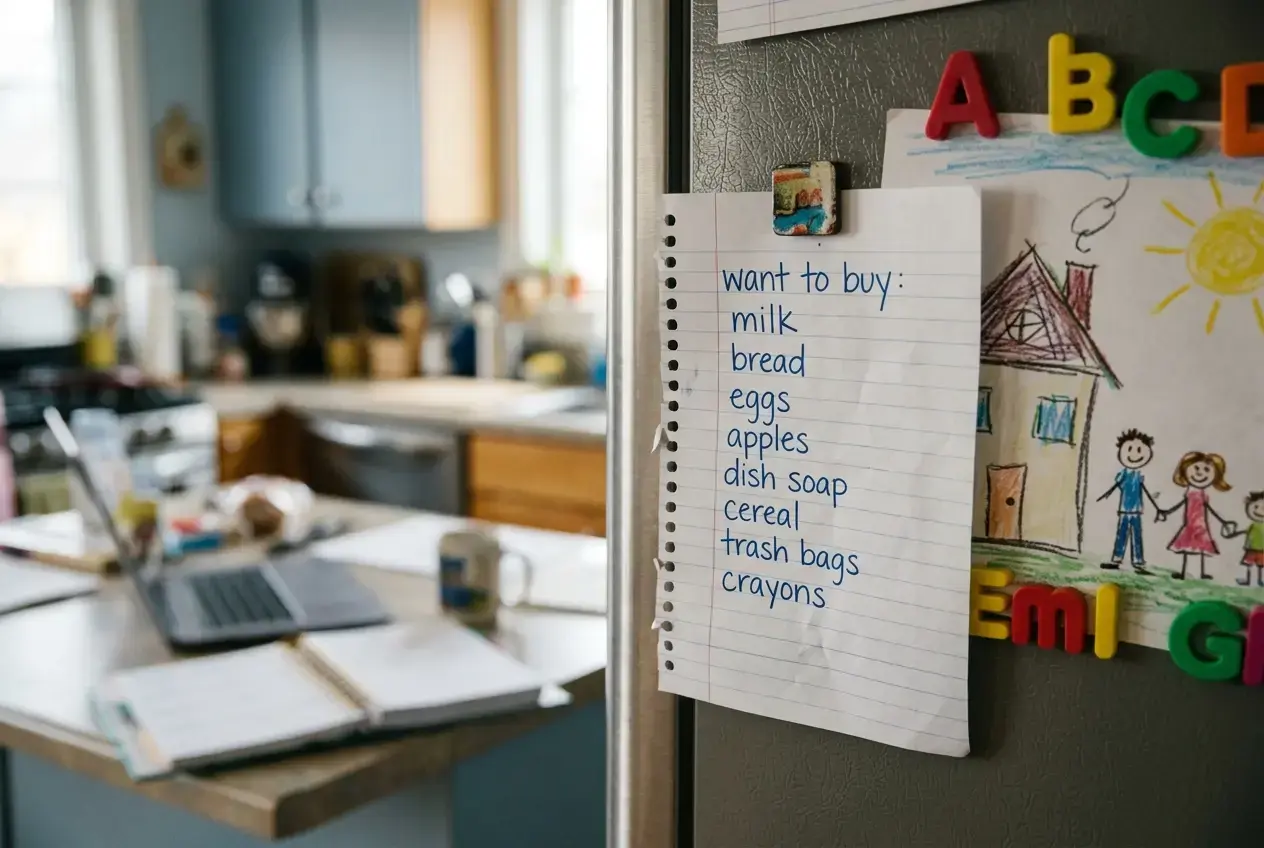
A fix that fits a nap: keep a short “want to buy” list. When you feel the urge to buy a tool, add it to the list and wait until you have published a set number of posts, say ten. If you still need the tool then, you will know exactly why, and the decision gets easier.
Writing for yourself instead of the one parent you want to help
A common early habit is to write about whatever is on your mind, in the order it occurs to you. It feels natural, and it can make a good journal. A blog post that helps someone needs a reader in mind, because the reader decides what to include, what to explain and what to leave out.

Picture one parent. Give them a situation: they are up at night with a baby who won’t settle, or they are trying to work out whether a blog could fit around school pick-ups. Then write the post as if you were answering their question across a table. You will find the post gets clearer without much effort, because you know who is asking.
A fix that fits a nap: before you write, put the reader’s question at the top of the page in one line. After the first draft, read the post once and delete any paragraph that does not help answer that question. Posts written this way tend to be shorter, which helps when your writing time comes in twenty-minute pieces.
Expecting money in the first few weeks, and why small steps matter more
A new blog has no audience, no search history and no track record, so income in the first few weeks is unusual. Many people leave at this point because the quiet looks like proof that it isn’t working. A silent first month is ordinary, and it says little about whether the blog will eventually do well.
Early on, a better measure than money is whether you did the work you planned. Did you publish this week? Did you finish a draft? Did you answer one reader’s comment? These are things you control, and they add up. Income, when it comes, follows a body of useful posts that readers and search engines have had time to find.
It also helps to be wary of anything that promises fast results. If you want a sense of why quick-payout ideas tend to fade, the piece on why survey sites stop paying after the first few weeks is a useful reality check.
A fix that fits a nap: replace “How much did I earn?” with a weekly count of what you finished. Write it on a sticky note: posts published, drafts started, questions asked. Give the money question a place later, after you have a few months of posts behind you.
Trying to figure it all out alone
Parenting is already a lot of solo problem-solving, and many parents approach blogging the same way. They search for each answer separately, read conflicting advice and lose an hour to a technical problem that someone else could have solved in two minutes.
A blog has many parts, and nobody learns them all at once. Having a person or a group to ask makes the early months shorter and less discouraging. That might be a mentor, a community of other parent bloggers, or a course with a forum attached. Why community support matters when you’re building a blog from scratch goes into this in more depth.
If you are choosing a mentor, it helps to know what to ask for. The guide on what to look for in a blogging mentor covers the qualities that matter most when your time is limited.
A fix that fits a nap: write down your single biggest question this week and post it somewhere people can answer. One specific question is easier for someone to help with than “I don’t know where to start.”
Building a pace you can keep: a simple first-month rhythm that bends around your day
The last mistake sits underneath most of the others. Many new bloggers start with a burst of effort, working through evenings and every free moment, and then stop when the schedule collides with a sick week or a long weekend. A pace that only works when nothing goes wrong will not last.
A steadier plan is built from small, repeatable pieces. It also has room built in for the days that go sideways. If your week allows three short sessions, plan for two, so a lost one doesn’t feel like failing. The guide on how to build your blogging business without the burnout covers this side of things in more detail.

Here is a simple rhythm for the first month that you can adjust to your household:
- Week one: choose your narrow topic, write your list of ten reader questions, and publish your first post.
- Week two: publish a second post and read your first one again with fresh eyes.
- Week three: publish a third post and ask one question in a community or to a mentor.
- Week four: look at what you have written, choose the post you liked writing most, and plan the next three around it.
That is roughly one post a week, which is a manageable load for most days with children at home. If a week is lost, move everything forward by one week and carry on. For a longer plan, how to plan your next 30 days of blog growth lays out what to do once this first month is done.
Final Thoughts: Avoiding These Common Mistakes
The mistakes new parent bloggers make tend to come from the same few places: waiting for a perfect start, picking a topic too wide to write about, buying before you need to, writing without a reader, expecting quick money, working alone and setting a pace that cannot last. Each has a small fix, and none of the fixes needs more than a short stretch of focused time.
You do not need to apply them all at once. Pick the one that sounds most like you right now and try it this week. Take your time, and build around your life rather than against it.
If you’d like a place to ask questions and get support while you build at your own pace, take a look at Wealthy Affiliate and see whether it fits your life.