
If you’ve ever sat down to work on your blog and thought, “I don’t even know what I should be doing right now,” you’re not alone. Most parent bloggers don’t struggle because they lack motivation. They struggle because everything feels important at once.
Traffic. Content. Monetisation. SEO. Email lists.
When time is limited, that mental overload can stop you before you even start.
That’s why planning your next 30 days matters more than mapping out the next year.
A 30-day plan gives you focus without locking you into something rigid. It works with family life, not against it. It creates momentum without burnout. And most importantly, it gives you a clear answer to the question, “What should I work on today?”
This post will walk you through a simple, realistic way to plan your next 30 days of blog growth. No hustle. No overwhelm. Just steady progress that fits around real life.
If you’re still finding your rhythm as a parent blogger, this fits into the bigger picture of building a blog around real family life, which is exactly what we focus on inside the Parent Blogging Hub.
Why Most Parent Bloggers Get Stuck Without a Short-Term Plan
Most parent bloggers don’t fail because they quit. They fail because they drift.
Without a short-term plan, it’s easy to bounce between tasks that feel productive but don’t actually move the blog forward. One day, you tweak a headline. The next day, you scroll Pinterest for ideas. A week later, nothing meaningful has changed.
Long-term plans sound motivating, but they often ignore reality. Kids get sick. Sleep disappears. Energy drops. When life shifts, big plans fall apart, and confidence goes with them.
A short-term plan fixes this by doing three things:
#1. It reduces decision fatigue
You already know what matters this month.
#2. It creates focus
You stop trying to grow traffic, income, and systems all at once.
#3. It builds consistency
Even small actions count when they’re intentional.
A 30-day plan gives you permission to focus on progress, not perfection. It helps you show up even when your schedule looks nothing like you hoped it would.
This is something I see a lot with parent bloggers who struggle to stay consistent when life gets messy. If you want help, you can check out our Staying Consistent as a Parent Blogger post.
Step One: Define One Clear Goal for the Next 30 Days
This step matters more than anything else.
If you only do one thing when planning the next 30 days, let it be this. Choose one main goal.
Not three. Not five. One.
When parents try to grow traffic, build an email list, learn SEO, and monetise all at once, nothing gets the attention it needs. Progress slows. Frustration grows.
A clear 30-day goal gives every task a filter.
- If it supports the goal, it stays.
- If it doesn’t, it waits.
Here are examples of realistic 30-day goals for parent bloggers:
- Publish three to four foundational blog posts
- Improve traffic to existing posts
- Set up a simple email freebie
- Create a consistent posting habit
- Learn one traffic source properly
What you should avoid as a main goal this month:
- Launching everything at once
- Chasing fast income
- Comparing your progress to others
- Fixing every weakness in your blog
Your goal should feel slightly challenging but completely doable with family life in mind. If it adds pressure, it’s too much.
Once you know your goal, planning the rest of the month becomes far easier. Every action now has a purpose, and that alone can remove a huge amount of overwhelm.
If goal setting has felt frustrating before, I break this down in more detail in my guide on setting realistic blogging goals as a parent.
Step Two: Choose a Weekly Focus Without Daily Pressure
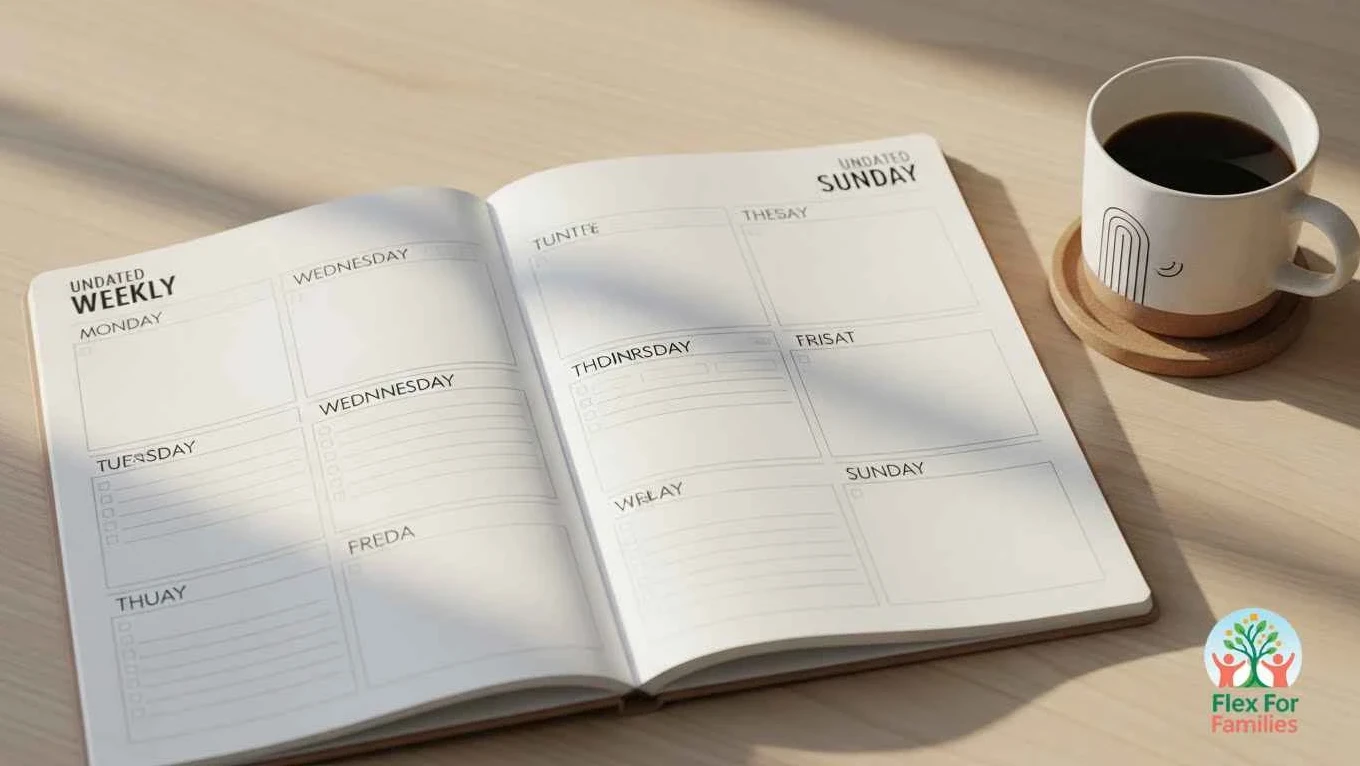
Daily to-do lists and rigid schedules rarely survive family life. One late night, a sick day, or an unexpected appointment can throw everything off. That’s why planning by the week works so much better than planning by the day.
A weekly focus gives you direction without locking you into exact timings. You’re not telling yourself what must happen on Tuesday at 10 am. You’re deciding what matters most this week, and fitting it in when you can.
Think in themes, not tasks.
Here’s an example of how parent bloggers often break down a 30-day plan into weekly focus areas:
Week 1: Content creation
Write or outline blog posts. Update older content. Focus on getting ideas out of your head and onto the page.
Week 2: Traffic and visibility
Work on Pinterest pins, internal links, SEO tweaks, or sharing content consistently.
Week 3: Systems and setup
Freebies, email forms, simple organisation, or learning one tool properly.
Week 4: Review and adjust
Check what you published. Note what worked. Decide what to repeat next month.
Each week has a purpose. Each task supports that purpose.
Within the week, you then match tasks to your energy, not your clock. Writing might happen during nap time. Editing might happen in the evening. Planning might happen while waiting in the car.
If a day gets missed, nothing breaks. The week still holds the focus. You simply pick up where you left off.
This approach keeps you moving forward without guilt. It replaces pressure with clarity, which is exactly what most parent bloggers need to stay consistent.
This is the same approach I use when building a content calendar that works around family life rather than fixed schedules.
Step Three: Plan Content That Actually Moves the Needle

When time is limited, every post needs a reason to exist.
One of the biggest mistakes parent bloggers make is publishing content just to stay “consistent.” The post goes live, but it doesn’t lead anywhere. No traffic growth. No engagement. No next step for the reader.
Content that moves the needle does one of three things:
- It builds foundations
- It brings traffic
- It supports income or long-term growth
You don’t need all three in every post. You just need to know which role each post is playing.
Foundational content helps readers understand you and your blog. These posts explain who you help, what you talk about, and why your perspective matters. Think beginner guides, personal experience posts, and clear explanations.
Traffic-focused content answers specific questions people are already searching for. These posts are often simple, practical, and keyword-driven. They quietly bring readers back to your blog again and again.
Support content connects the dots. These posts help readers take the next step, understand your recommendations, or use your existing content more effectively.
When planning your next 30 days, aim for a small mix:
- One or two foundational posts
- One or two traffic-focused posts
- One support post that links things together
That’s enough to make real progress.
You also don’t need brand-new ideas every time. Updating an older post, expanding a section, or linking related posts together often delivers better results than starting from scratch.
Before you add a post to your plan, ask one simple question:
“What will this help my blog do?”
If the answer is unclear, save the idea for later. Focus your energy where it counts. Small, intentional content choices compound fast when family life limits your time.
This is also where a basic SEO checklist helps you focus on posts that bring long-term traffic.
Step Four: Add One Small Traffic Habit That Fits Around Family Life

You don’t need to be everywhere to grow traffic.
You need to be consistent in one place.
Most parent bloggers stall because they try to learn SEO, Pinterest, social media, and email marketing all at once. That approach drains energy fast and rarely sticks when family life gets busy.
Instead, choose one traffic habit for the next 30 days. Just one.
This could look like:
- Creating one Pinterest pin per post
- Updating internal links on older posts
- Optimising one blog post a week for search
- Sharing one post consistently on a single platform
The habit should feel boringly small. That’s a good sign. Small actions done repeatedly create far more growth than occasional big pushes.
Pinterest works well for many parents because it doesn’t demand constant engagement. SEO works well because posts keep working long after you publish them. Both can be done in short, focused sessions.
The key is attaching the habit to your real routine.
- Five minutes while dinner cooks.
- Ten minutes during quiet play.
- One focused session during nap time.
If you miss a day, nothing breaks. You simply pick it up again tomorrow.
Traffic growth is rarely about effort. It’s about rhythm. One small habit, repeated over 30 days, builds confidence and results without stealing time from your family.
Pinterest is one traffic habit that works well for many parents because it doesn’t demand constant attention.
Step Five: Use Tools That Reduce Decisions and Keep Your Plan Simple
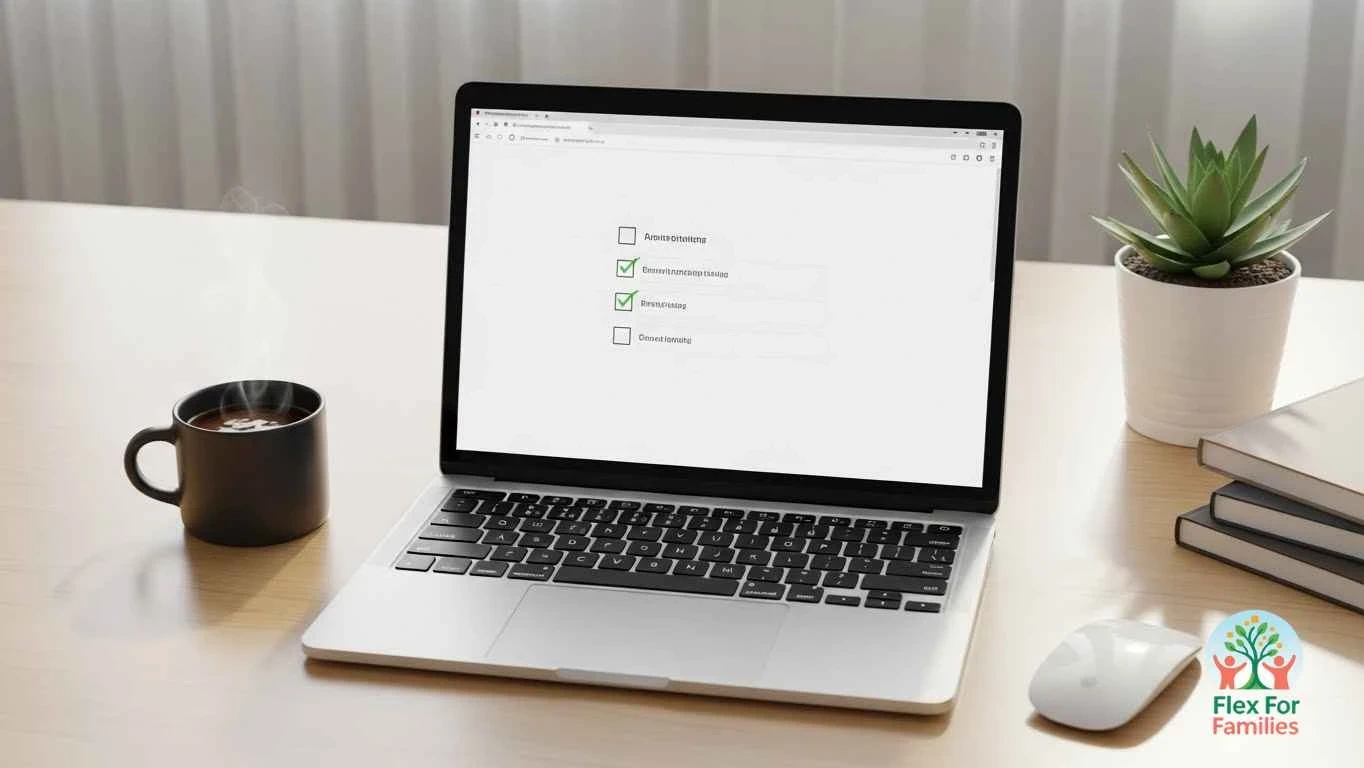
One of the biggest energy drains in blogging isn’t writing or publishing. It’s deciding what to do next.
When you’re constantly choosing between tools, strategies, and systems, progress slows. For parent bloggers, that decision fatigue adds up fast, especially when you’re already juggling family life.
- The goal of your tools should be simple.
- They should remove choices, not add more.
Instead of asking yourself every day what to work on, your tools should guide you back to the plan you already set for the month.
This is where structure starts to feel supportive.
Simple examples that reduce decisions:
- A basic content plan that tells you what type of post you’re working on this week
- A repeatable blog post outline so you’re not starting from scratch
- One place to manage writing, keywords, and learning
- A clear next step when you feel stuck
When everything lives in one system, you spend less time bouncing between tabs and more time actually making progress.
This is also why many parents eventually look for an all-in-one setup rather than piecing together tools. Training, planning, writing, and support working together reduces overwhelm and builds confidence faster.
- You don’t need the “perfect” tools.
- You need tools that work with limited time and energy.
When your setup feels simple, showing up becomes easier. And when showing up becomes easier, consistency follows naturally.
This is why I eventually looked for tools that combined planning, training, and support in one place.
What a Realistic 30-Day Blog Plan Actually Looks Like in Real Life

A realistic 30-day blog plan doesn’t look neat.
It looks flexible, slightly messy, and very human.
There will be weeks when you hit everything you planned. There will be weeks where you only manage one small task. Both still count.
Here’s an example of what a 30-day plan can look like for a parent blogger working around family life.
Week 1
- You focus on content.
- You outline two posts and publish one.
- You miss a planned writing session because life happens, but you still move forward.
Week 2
- You shift to traffic.
- You create a couple of Pinterest pins or update internal links on older posts.
- Nothing dramatic, just steady visibility work.
Week 3
- You work on systems.
- You tweak an email form, organise drafts, or learn one small thing that saves time later.
- Progress feels quieter, but it matters.
Week 4
- You review and reset.
- You look at what you published, what you skipped, and what felt good.
- You decide what to repeat next month and what to drop.
Throughout the month, you track progress differently.
Instead of asking, “Did I do everything?”
You ask, “Did I move the blog forward at least a little?”
Success might look like:
- Publishing fewer posts than planned
- Learning one new skill
- Feeling less overwhelmed than last month
- Having clearer focus for the next 30 days
That’s real growth.
A good 30-day plan supports your life. It bends when the family needs more of you. It doesn’t punish you for missed days. It gives you something to return to when things calm down again.
This is how blogs are built long-term. Not through perfect months, but through repeatable ones.
If you want a longer version of this approach, the 12-week plan simply repeats this cycle in a more structured way.
Common 30-Day Planning Mistakes Parents Make and How to Avoid Them
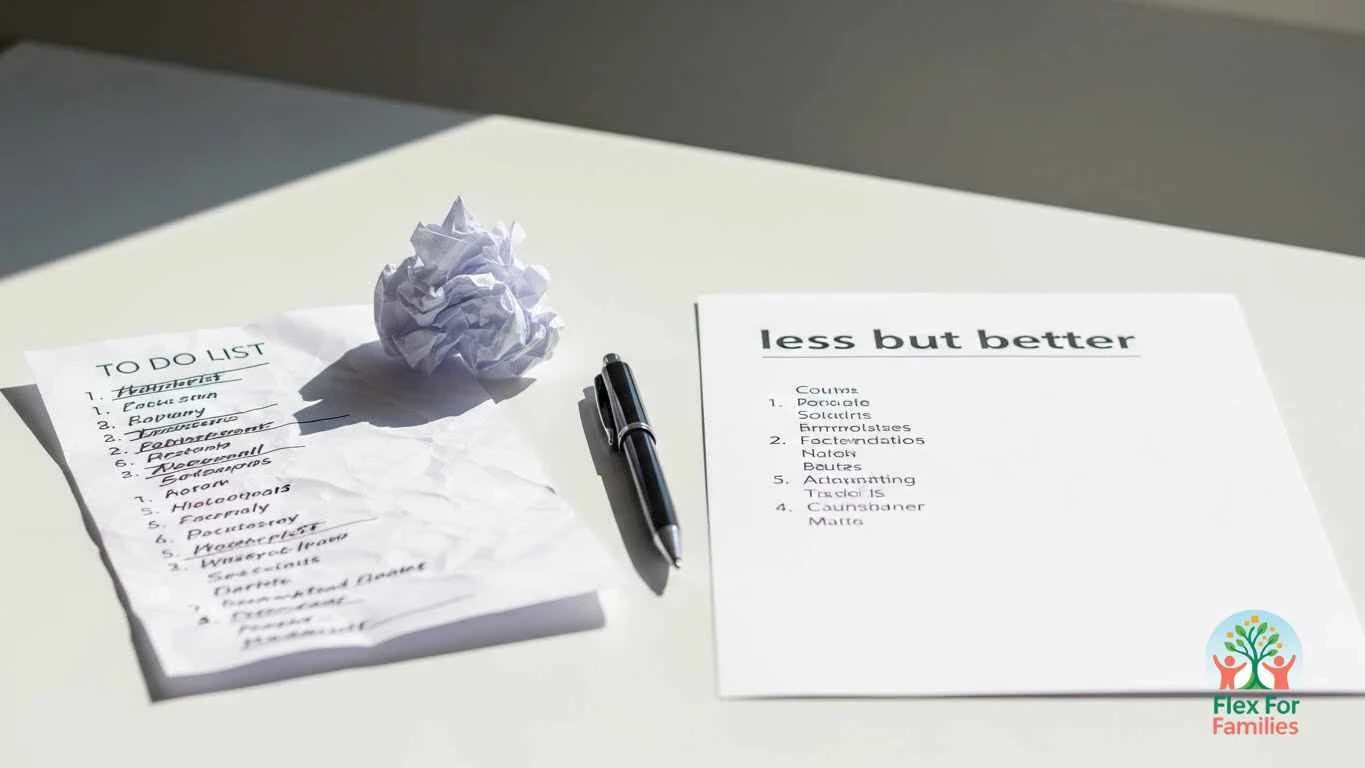
Planning is meant to reduce stress, not create it. But there are a few common mistakes that can quietly derail even the best intentions, especially for parents.
The good news is that most of these are easy to fix once you notice them.
Trying to do too much at once
This is the biggest one. It’s tempting to plan content, traffic, email lists, and monetisation all in the same 30 days. The result is usually burnout or half-finished projects.
How to avoid it:
Choose one main goal for the month. Let everything else support that goal or wait until next month.
Copying someone else’s plan
What works for full-time creators often doesn’t work for parents with limited, unpredictable time. Comparing your plan to someone else’s can make you feel behind before you even start.
How to avoid it:
Build your plan around your real schedule, energy, and family commitments. Progress only needs to make sense for you.
Overloading the calendar
Filling every day with tasks leaves no room for life. One missed day can snowball into guilt and avoidance.
How to avoid it:
Plan fewer tasks than you think you can handle. Leave space. Flexibility is a feature, not a failure.
Treating missed days as failure
Skipping a day or even a week doesn’t mean the plan is broken. It means life happened.
How to avoid it:
Return to the plan without judgement. Pick the next small action and keep going.
Ignoring review time
Many parents plan the month but never reflect on what worked. That’s where the real learning happens.
How to avoid it:
Schedule a short review at the end of the month. Even ten minutes is enough to spot patterns and improve the next plan.
When planning feels supportive instead of restrictive, it becomes something you want to return to. The goal isn’t perfect execution. It’s steady, repeatable progress that fits around family life.
A lot of these mistakes are rooted in common blogging myths parents run into early on.
FAQ: How To Plan Your Next 30 Days of Blog Growth
Question: Is 30 days really enough to grow a blog?
Answer: Yes, if the focus is clear. Thirty days is enough to build momentum, publish meaningful content, and establish simple habits. The goal isn’t overnight success. It’s steady progress that you can repeat month after month.
Question: How much time do I need each week for a 30-day blog plan?
Answer: Most parent bloggers make progress with just a few short sessions a week. Even 20 to 30 minutes at a time can work if you know exactly what to focus on. Planning removes wasted time and decision fatigue.
Question: What if I miss a week or fall behind?
Answer: Nothing breaks. A missed week doesn’t cancel progress. You simply return to the plan when things settle. Blogging alongside family life requires flexibility, not perfect follow-through.
Question: Should I focus on traffic or content first in a 30-day plan?
Answer: It depends on where your blog is right now. New blogs often benefit from foundational content first. More established blogs may see better results focusing on traffic or updates. One clear goal per month keeps things manageable.
Question: Can I repeat the same 30-day plan every month?
Answer: Yes, and that’s the point. A good 30-day plan is repeatable. Over time, small improvements compound and growth becomes more consistent without adding pressure.
Conclusion: Your Next 30 Days Can Feel Calm and Focused

Blog growth doesn’t come from doing everything at once. It comes from choosing what matters right now and giving yourself permission to move at a pace that fits your family.
A 30-day plan gives you clarity without pressure. It helps you stop second-guessing your next step and start making progress in small, repeatable ways. Some days will be productive. Some days won’t. Both still count.
If you finish the month with clearer focus, more confidence, and even one post or habit you can repeat, that’s real growth.
You don’t need perfect conditions to move forward. You just need a plan that bends when life does.
Let’s Chat
Planning looks different for every family.
I’d love to know, what’s one thing you want to focus on in the next 30 days of your blog? Content, traffic, confidence, or consistency?
Drop a comment and share where you’re at. You might be surprised how many other parents are working through the same stage right now.



Hello John!
I really enjoyed this article — it felt like the kind of advice I actually need instead of a bunch of vague tips. Planning out the next 30 days of blog growth always sounds great in theory, but it can feel overwhelming unless you break it down like you did here.
Your suggestions about setting small goals and mapping out action steps made it feel doable rather than intimidating. I’ve definitely been guilty of jumping in without a clear plan and then wondering why momentum fizzled out!
One thing I’m wondering: do you find it’s better to focus on one area at a time (like content creation or promotion), or mix a few things each month? And when life gets hectic, how do you stay on track without feeling like the plan has to be perfect?
Thanks for sharing this — it gave me a clear starting point for my next 30 days!
Angela M 🙂
Hi Angela,
I’m really glad you enjoyed it, and you’re definitely not alone in that feeling. Planning sounds productive, but without a clear structure it can quickly turn into another source of overwhelm, so I’m happy it felt doable rather than heavy.
To your question, I’ve found it works best to focus on one main area per month, with a light touch on the others. For example, one month might be content-focused, getting posts written or updated, while promotion or SEO is just maintenance. The next month, you might shift the main focus to promotion or optimisation. That way you’re moving forward without feeling pulled in too many directions at once.
When life gets hectic, I try to treat the plan as a guide, not a rulebook. If a week goes sideways, I don’t try to “catch up” aggressively. I just pick the next small action and keep going. Momentum comes more from returning calmly than from sticking to a perfect plan.
The fact that you’re thinking about your next 30 days at all puts you in a really good place. You don’t need a flawless plan, just one that’s kind enough to work around real life.
Thanks again for such a thoughtful comment, and good luck with your next 30 days.
John
I really needed this today. I’ve been a bit down lately and, honestly, I’ve struggled to create anything that feels meaningful. Some health issues came up, and when that happens, even sitting down to think clearly can feel like too much.
This post was a good reminder that progress doesn’t have to be loud or perfect to count. The idea of focusing on just the next 30 days — not the whole year, not everything at once — feels manageable and kind, which is exactly what I needed right now. I especially appreciated the emphasis on flexibility and giving yourself permission to bend when life does.
Thank you for writing this in a way that feels supportive instead of pressuring. It helped me feel a little less stuck and a little more hopeful about easing back into things at my own pace.
Hey Jason,
Thank you so much for sharing this. I’m really glad the post met you where you are, and I’m sorry you’ve been dealing with health issues on top of everything else. When your energy or clarity takes a hit, even small creative tasks can feel heavy, so it makes complete sense that things have felt stuck.
You’re absolutely right, progress doesn’t need to be loud or impressive to matter. Sometimes the most important progress is simply staying connected to what you care about, even if that looks like thinking, resting, or taking one gentle step forward. Focusing on the next 30 days, instead of the whole picture, can be a way of giving yourself breathing room rather than another goal to chase.
I’m really glad the message around flexibility and permission resonated. Life bends us all at times, and easing back in at your own pace is not falling behind; it’s taking care of yourself so you can keep going.
Thank you again for trusting me with something so personal. I hope the next little steps, whatever they look like, feel lighter and kinder to you.
All the best,
John