
SEO can sound complicated.
Keywords. Rankings. Algorithms.
It is easy to feel like you need technical skills or hours of spare time just to get started.
Most parents do not have either.
The good news is, you do not need them.
If you can write helpful content that answers real questions, you can grow your blog traffic over time.
That is what SEO really comes down to.
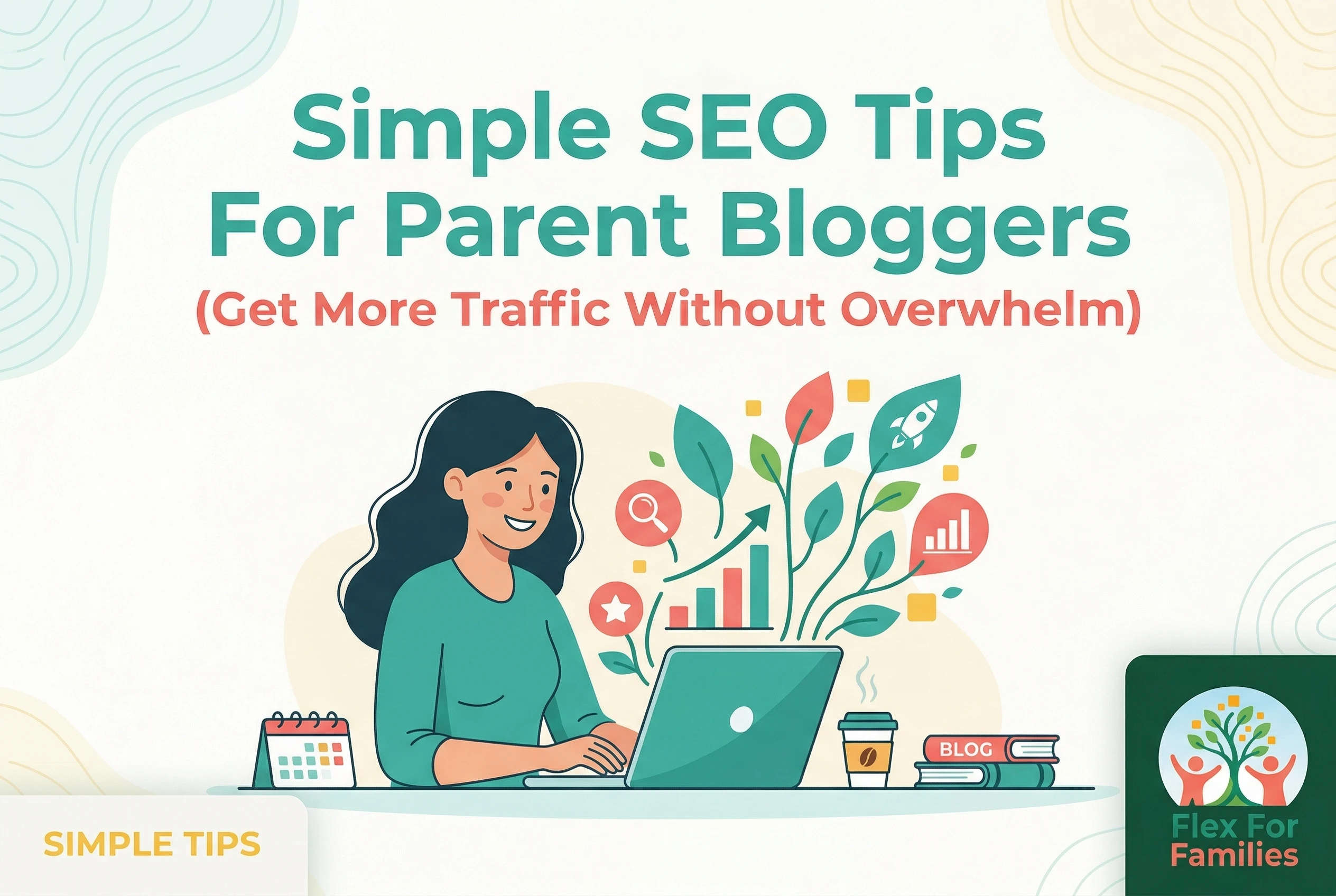
In this guide, I will walk you through simple SEO tips that actually work for parent bloggers. No jargon. No complicated tools. Just practical steps you can fit around family life.
How do parent bloggers grow traffic with SEO?
Parent bloggers grow traffic with SEO by writing content that answers real questions, using simple keyword phrases, structuring posts clearly, linking content together, and publishing consistently over time.
What SEO Means for Parent Bloggers (Simple Explanation)
SEO stands for search engine optimisation.
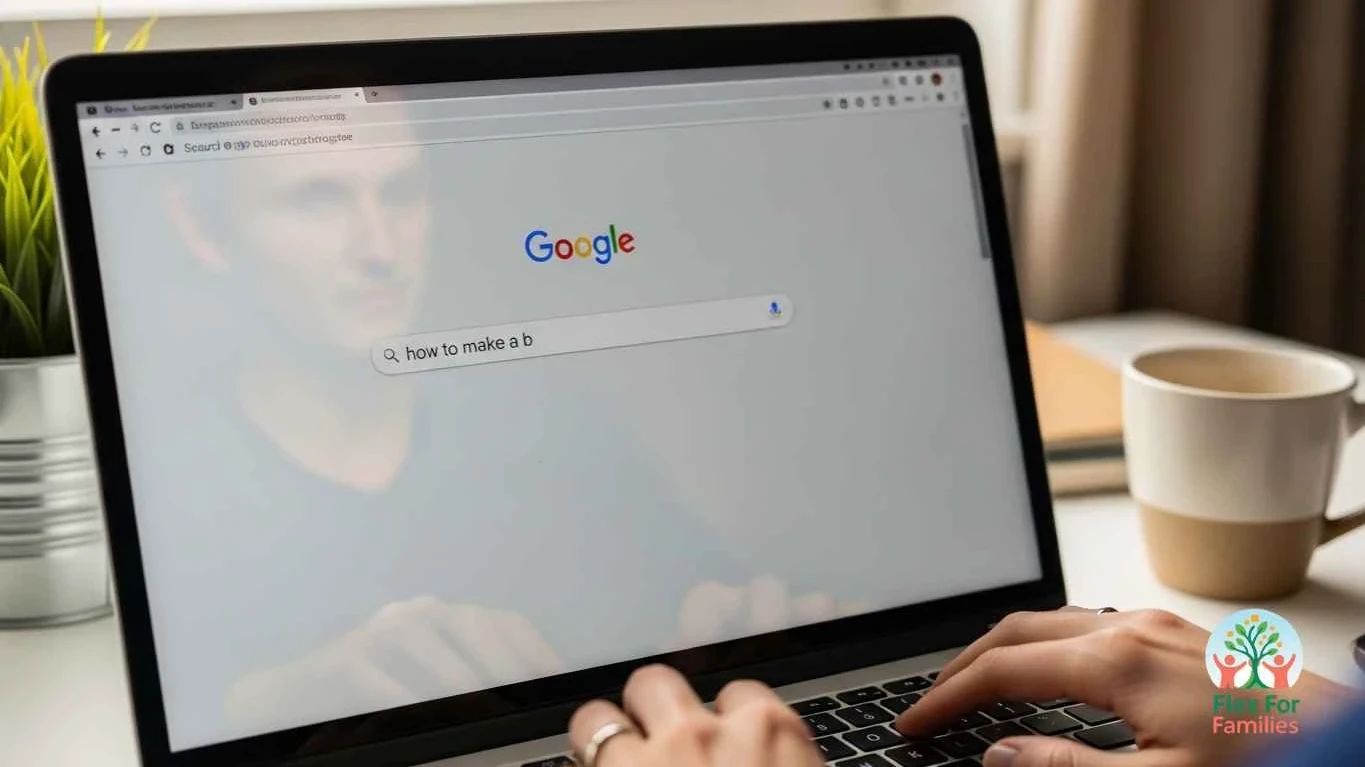
But in simple terms, it just means helping people find your blog through search engines like Google.
Think about how you use Google.
You type in a question:
- “How to get a toddler to sleep”
- “Easy meal ideas for busy families”
- “How to start a blog as a parent
Google’s job is to show the most helpful answers.
Your job as a blogger is to create those answers.
That is it.
How SEO Works (Without the Technical Stuff)
When you write a blog post that clearly answers a question:
- Google can understand what your post is about
- It can show your post to people searching for that topic
- Readers click through to your blog
If your content is helpful:
- People stay longer
- They explore other posts
- They trust your site
Over time, this helps your blog grow.
Why SEO Is Perfect for Parent Bloggers
SEO works in the background.
You do not need to:
- Post every day on social media
- Constantly promote your content
- Be online all the time
Instead:
- You write helpful content once
- It gets found again and again
- It continues to bring in readers
That is what makes it so powerful.
Especially for parents with limited time.
One Simple Way to Think About It
SEO is not about trying to beat Google.
It is about helping Google understand your content.
And helping other parents find what they are already looking for.
SEO Tip 1: Start With Real Questions Parents Ask

If you get this right, everything else becomes easier.
Most blogs struggle because they start with ideas.
Successful blogs start with questions.
Why Questions Matter
People do not search for “content.”
They search for answers.
They type things like:
- How to get a toddler to sleep through the night
- Easy dinner ideas for busy families
- How to start a blog as a parent
- How to manage screen time for kids
Each of these is a clear problem.
If your blog post answers that problem, you have a much better chance of being found.
Where to Find These Questions
You do not need expensive tools.
Start with what is already around you.
Google Search
Type in a topic and look at:
- Suggested searches
- “People also ask” questions
Parent Groups
Look at Facebook groups or forums. What keeps coming up?
Your Own Experience
What have you searched for recently? What did you struggle to figure out?
Conversations
What do other parents ask you for help with?
If a question comes up more than once, it is worth writing about.
Turn Questions Into Blog Posts
Once you find a question, turn it into a clear blog post.
For example:
Question
“How do I get my toddler to sleep?”
Blog post title
“How to Get a Toddler to Sleep Through the Night (Simple Routine That Works)”
Clear. Specific. Searchable.
Keep It Focused
One post should answer one main question.
Not five. Not ten.
This helps:
- Google understand your content
- Readers find what they need quickly
- Your blog builds authority over time
Why This Works Long Term
When your blog is built around real questions:
- Your content stays relevant
- People continue searching for it
- Your traffic grows steadily
You are not chasing trends.
You are solving problems that always exist.
Keep This in Mind
You do not need to be an expert.
You just need to:
- Understand the problem
- Share what worked for you
- Explain it clearly
That is what helps other parents.
SEO Tip 2: Use Simple Keywords Without Overthinking It

The word “keywords” puts a lot of people off.
It sounds technical.
It is not.
A keyword is just the phrase someone types into Google.
Think in Phrases, Not Single Words
Beginners often focus on single words like:
- Parenting
- Sleep
- Blogging
These are too broad.
Instead, think in full phrases.
For example:
- How to get a toddler to sleep
- Easy meal planning for busy parents
- How to start a parenting blog
These are easier to rank for and much clearer.
Use Natural Language
You do not need to “force” keywords into your writing.
If your title matches a real question, the keywords will naturally appear.
For example:
Title
“How to Start a Parenting Blog as a Busy Parent”
Your content will naturally include phrases like:
- Start a parenting blog
- Blogging as a parent
- How to blog with kids
No need to overthink it.
Where to Use Your Keywords
Keep it simple.
Make sure your main phrase appears in:
- Your title
- Your first paragraph
- One or two headings
- Naturally throughout the post
That is enough.
Avoid This Common Mistake
Do not repeat the same phrase over and over.
This makes your content harder to read and does not help your rankings.
Focus on:
- Clarity
- Usefulness
- Natural writing
Why This Works
Google is good at understanding meaning.
It looks for:
- Clear topics
- Helpful content
- Natural language
Not keyword stuffing.
A Simple Way to Approach It
Before writing, ask:
“What would someone type into Google to find this?”
Use that as your title.
Then write normally.
Keep This in Mind
You are not writing for an algorithm.
You are writing for a tired parent looking for help.
If your content is clear and useful, you are already doing SEO well.
SEO Tip 3: Write Helpful, Clear Blog Posts

Getting someone to click your post is one step.
Helping them quickly is what makes your blog grow.
If your content is easy to read and genuinely useful, people stay longer. They trust what you share. They come back.
That is what search engines look for.
Start With a Clear Answer
Do not make readers scroll to find what they need.
Answer the main question early.
For example:
If your post is about
“How to Get a Toddler to Sleep”
Start with:
- A simple routine
- A clear explanation
- What actually worked
Then expand.
Use Headings to Guide the Reader
Break your content into sections.
This helps readers:
- Scan quickly
- Find what they need
- Stay engaged
Simple structure works best:
- Clear headings
- Short sections
- Logical flow
Think of each heading as a step.
Keep Your Writing Simple
You are not trying to impress anyone.
You are trying to help.
Use:
- Short sentences
- Clear language
- Practical examples
Avoid:
- Long explanations
- Unnecessary detail
- Complicated wording
If a tired parent can read it quickly, you are doing it right.
Focus on One Problem Per Post
Trying to cover everything in one post makes it harder to follow.
Instead:
- Pick one clear topic
- Go deep enough to be helpful
- Keep it focused
This makes your content stronger and easier to rank.
Add Practical Steps
Readers want something they can use.
Include:
- Simple steps
- Examples
- Small actions they can take today
This increases:
- Time on your page
- Trust in your content
- Likelihood they return
Why This Helps SEO
When your content is clear and helpful:
- People stay longer
- They read more
- They explore other posts
Search engines see this as a positive signal.
Keep This in Mind
You do not need to write more.
You need to write better.
Clear beats clever every time.
SEO Tip 4: Use Internal Links to Grow Your Blog
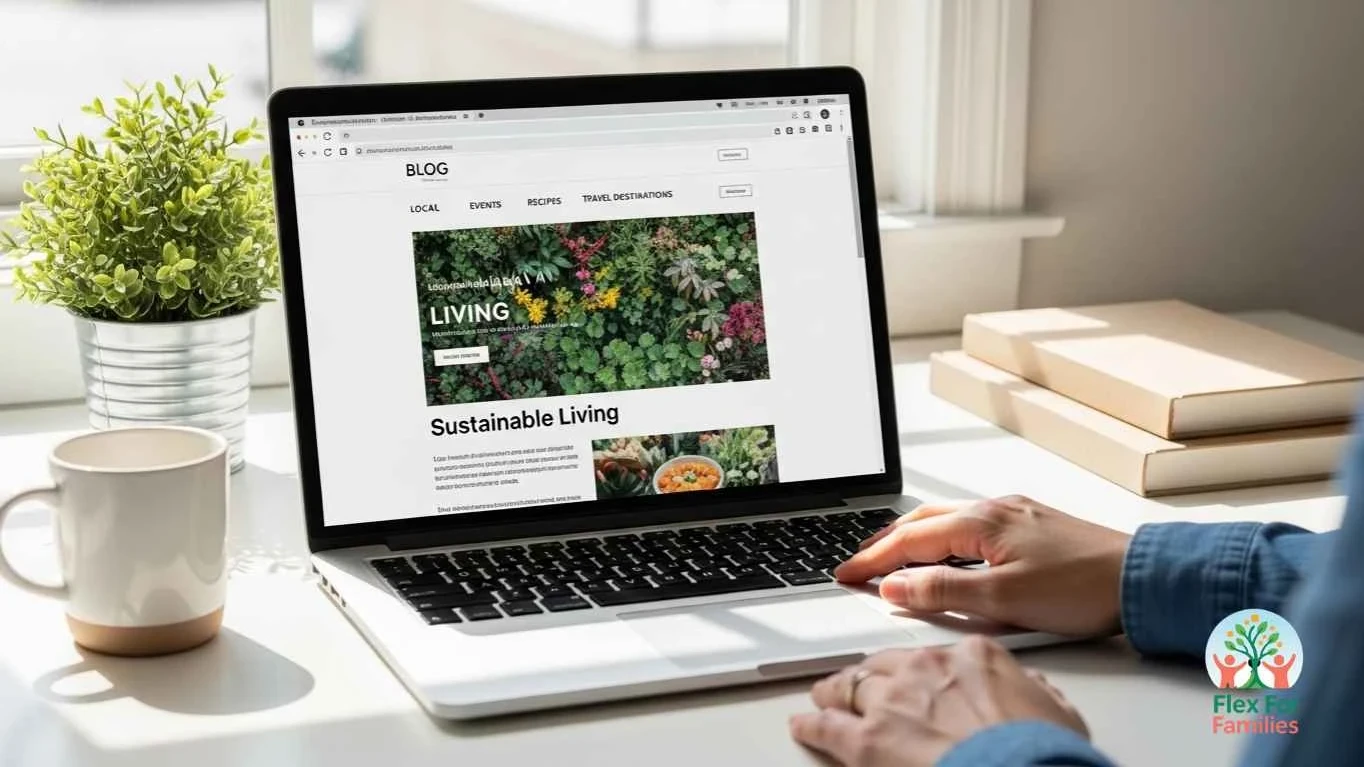
Most beginner bloggers overlook this.
But internal linking is one of the simplest ways to grow your blog.
An internal link is just a link from one post on your site to another.
That’s it.
Why Internal Links Matter
When you link your posts together:
- Readers stay on your site longer
- They discover more of your content
- Your blog feels more useful and connected
Search engines also use these links to:
- Understand your content better
- See which topics you focus on
- Rank your posts more effectively
What This Looks Like in Practice
Let’s say you write a post about:
“How to Start a Parenting Blog”
Within that post, you can link to:
- Your guide on passive income with a blog
- Your post on staying consistent as a parent blogger
- Your article on choosing a niche
This creates a clear path for the reader.
Instead of one post, they now have a journey.
Link Naturally, Not Excessively
You do not need to add links everywhere.
Focus on:
- Linking when it genuinely helps the reader
- Pointing to relevant posts
- Keeping it natural within your content
A few strong links are better than lots of random ones.
Think in Topics, Not Posts
Your blog should not feel like a collection of separate articles.
It should feel like a connected resource.
For example, your content around blogging could link together:
- Getting started
- SEO tips
- Income strategies
- Time management
Each post supports the others.
Why This Helps You Grow Faster
When your content is linked:
- New posts help older posts rank
- Older posts support new content
- Your authority builds over time
Everything works together.
A Simple Habit to Build
Every time you publish a new post:
- Link to 2 or 3 existing posts
- Update older posts to link back
This keeps your blog connected and growing.
Keep This in Mind
You are not just writing posts.
You are building a network of helpful content.
That is what turns a blog into a long-term asset.
SEO Tip 5: Be Consistent (Even With Limited Time)

Consistency is what makes SEO work.
- Not speed.
- Not perfection.
- Not working long hours.
Consistency.
Why Consistency Matters
Every blog post you publish is another chance to be found.
One post brings one opportunity.
Ten posts bring ten.
Fifty posts create momentum.
Search engines favour sites that:
- Publish regularly
- Stay active over time
- Continue adding helpful content
What Consistency Looks Like for Parents
You do not need a strict schedule.
You need something realistic.
That might be:
- One post per week
- One post every two weeks
- Even one post per month
The key is sticking to it.
Build Around Your Life, Not Against It
Your blog should fit your routine.
Not compete with it.
Use:
- Small pockets of time
- Evenings when things are quieter
- Weekends when you have space
Even 30 minutes at a time adds up.
Keep It Simple to Stay Consistent
The more complicated your process, the harder it is to maintain.
Focus on:
- Writing helpful content
- Keeping structure simple
- Avoiding unnecessary extras
This makes it easier to keep going.
What Happens When You Stay Consistent
Over time:
- Your content grows
- Your visibility increases
- Your traffic builds
- Your confidence improves
It may feel slow at first.
Then it starts to build.
What Happens When You Stop
This is where many blogs stall.
Not because they failed.
Because they stopped.
Even a short break can slow momentum.
The key is returning, not restarting from scratch.
A Simple Way to Stay on Track
Set a goal you can keep.
Not one that sounds impressive.
One that fits your life.
Consistency is not about doing more.
It is about doing enough, regularly.
Keep This in Mind
You are building something long-term.
Small steps done consistently will always beat big bursts followed by nothing.
SEO Tip 6: Give It Time (SEO Is Slow but Powerful)

This is the part most people struggle with.
Not because SEO does not work.
Because it does not work instantly.
Why SEO Takes Time
When you publish a blog post, it does not appear on page one straight away.
Search engines need time to:
- Find your content
- Understand what it is about
- Compare it to other posts
This process takes weeks, sometimes months.
What It Feels Like Early On
In the beginning, it can feel quiet.
- Very little traffic
- Few clicks
- No visible results
That is normal.
It does not mean your blog is not working.
It means it is still building.
What Happens Over Time
As you continue publishing:
- Your older posts start to rank
- Your newer posts get picked up faster
- Your blog builds authority
This is where things begin to shift.
You may start to see:
- Steady traffic
- Consistent visitors
- Your first clicks and small results
Why SEO Becomes Powerful
Once your content starts ranking:
- People find it without you promoting it
- Posts continue working in the background
- Traffic becomes more consistent
You are no longer relying on constant effort.
Your content does the work for you.
The Turning Point
Most blogs never reach this stage.
Not because they cannot.
Because they stop too early.
They expect results in weeks.
They lose patience.
They move on.
The blogs that grow are the ones that keep going.
A Simple Way to Think About It
SEO is not a quick win.
It is a long-term strategy.
But once it builds, it becomes one of the most reliable ways to grow your blog.
Keep This in Mind
You are not building for today.
You are building for the next few months and beyond.
That is where the real results come from.
Common SEO Mistakes Parent Bloggers Make

Most parent bloggers do not struggle because SEO is complicated.
They struggle because of a few simple mistakes.
Once you know what to avoid, things become much easier.
Overthinking Everything
This is the biggest one.
Trying to:
- Find the perfect keyword
- Write the perfect post
- Design the perfect blog
Leads to:
- Delays
- Frustration
- No content published
Progress beats perfection every time.
Writing Without a Clear Focus
Some posts try to cover too much.
Multiple topics. Too many ideas. No clear answer.
This makes it harder for:
- Readers to follow
- Search engines to understand
- Your content to rank
Keep it simple.
One post. One question. One clear answer.
Ignoring What People Are Searching For
Writing what you feel like sharing is fine.
But if no one is searching for it, it will not bring traffic.
The goal is to:
- Match real questions
- Provide clear answers
- Solve practical problems
That is what gets results.
Not Linking Your Content Together
Many blogs treat each post as separate.
No links. No connection.
This means:
- Readers leave after one page
- Older posts get ignored
- Growth slows down
Linking your posts creates a stronger, more useful blog.
Giving Up Too Early
This is the most common reason blogs fail.
Not because the approach is wrong.
Because it was not given enough time.
SEO takes patience.
Stopping too early resets progress.
Focusing on the Wrong Things
It is easy to get distracted by:
- Design tweaks
- Logos
- Plugins
- Tools
These feel productive.
But they do not bring traffic.
Content does.
What to Focus on Instead
If you want to keep things simple, focus on:
- Writing helpful posts
- Answering real questions
- Linking your content
- Staying consistent
That is enough to grow.
Keep This in Mind
You do not need to do everything.
You need to do the right things, consistently.
Want Help Learning SEO Step by Step?
By now, you have seen that SEO is not about complicated tactics.
It is about:
- Understanding what people are searching for
- Creating helpful content
- Staying consistent over time
The challenge is not knowing what to do.
It is knowing what to do next.
Where Most Parents Get Stuck
Even with the right ideas, it is easy to:
- Second-guess your content
- Jump between different strategies
- Feel unsure if you are doing it “right”
- Lose momentum when results take time
That is where having a clear path makes a big difference.
A Simpler Way to Learn and Apply SEO
Instead of piecing everything together, you can follow a structured approach that shows you:
- What to focus on first
- How to build content step by step
- How SEO fits into your overall blog growth
- How to turn traffic into income over time
This is exactly why I recommend Wealthy Affiliate.
Keep This in Mind
You do not need more information.
You need:
- A clear path
- Simple steps
- Support when you get stuck
That is what helps you move forward.
Growing Your Blog Traffic, One Step at a Time

SEO does not need to be complicated.
It comes down to a few simple things done well.
- Answer real questions.
- Keep your content clear.
- Link your posts together.
- Stay consistent.
- Give it time.
That is how blogs grow.
Not through quick wins.
Through steady progress.
What This Means for You
If you are building your blog around family life, this approach works.
- You do not need long hours.
- You do not need technical skills.
- You do not need to do everything at once.
You need a simple system you can follow.
One that fits around your routine and builds over time.
A Simple Next Step
If you want to move forward with more clarity, the best thing you can do is follow a structured path.
Instead of guessing what to do next, you can use a platform that shows you:
- • how to build your blog
- • how to create content that gets found
- • how SEO fits into your growth
- • how to turn traffic into income
Frequently Asked Questions About SEO for Parent Bloggers
What is SEO and why does it matter for parent bloggers?
SEO helps your blog show up in search results when people look for answers. For parent bloggers, it means your content can be found by other parents searching for help, which brings steady traffic over time.
How long does SEO take to work?
SEO usually takes a few months to show results. Many bloggers start seeing traffic within 3 to 6 months, but stronger growth often happens over 6 to 12 months with consistent posting.
Do I need technical skills to use SEO?
No. Basic SEO is simple. If you can write helpful content that answers real questions and organise your posts clearly, you are already using SEO effectively.
How often should I post to grow my blog?
Consistency matters more than frequency. One post per week, every two weeks, or even monthly can work if you stay consistent and focus on helpful content.
Can I grow my blog without using social media?
Yes. Many blogs grow through search traffic alone. SEO allows your content to be found on Google without needing constant promotion on social platforms.
What is the biggest SEO mistake beginners make?
The most common mistake is overthinking and not publishing. Focusing on perfect keywords or design slows progress. Writing helpful posts consistently is what drives growth.
Let’s Chat
What part of SEO feels most confusing right now?
Is it knowing what to write about, or getting your posts seen?
Or are you already creating content but not seeing results yet?
Drop a comment and share where you are at.
Sometimes one small shift is all it takes to start seeing progress.