
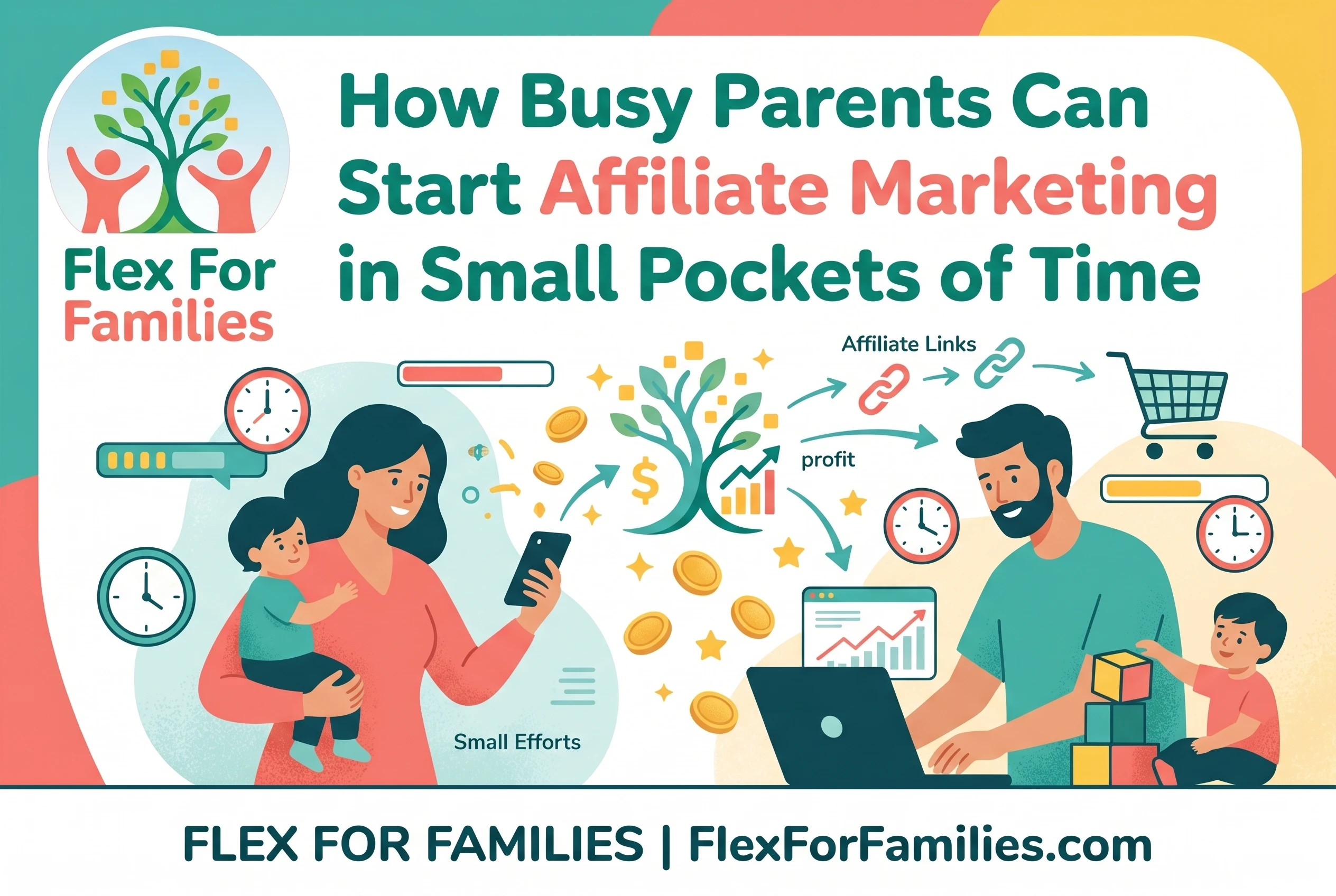
Trying to start something new as a parent can feel almost impossible sometimes.
Between school runs, meals, homework, work shifts, bedtime routines, and everything else family life throws at you, it is easy to assume you simply do not have enough time to build an online income.
That is exactly why affiliate marketing appeals to so many busy parents.
Unlike many side hustles, affiliate marketing does not require fixed shifts, client calls, inventory, or huge blocks of uninterrupted time. You can build it gradually in small pockets of your day, whether that is during nap time, after bedtime, early mornings, or a quiet hour at the weekend.
And no, you do not need:
- A huge social media following
- Expensive equipment
- Advanced tech skills
- Hours of free time every day
Most parent bloggers and affiliate marketers start much smaller than people realise.
- A simple website.
- A few helpful posts.
- A willingness to learn as they go.
That is how many successful affiliate marketing journeys begin.
The important thing is understanding that affiliate marketing is not instant income. It is a long-term skill that grows steadily over time as you create helpful content, build trust, and learn how people find your blog through search engines like Google and platforms like Pinterest.
The good news is that this makes affiliate marketing surprisingly well suited to family life. You can work at your own pace and build around your current season of life instead of trying to force your family around rigid schedules.
In this guide, I’ll walk you through:
- What affiliate marketing actually is
- What you realistically need to get started
- How busy parents fit it around family life
- the small weekly actions that build momentum
- The common mistakes to avoid early on
Because affiliate marketing does not need to happen all at once.
Small consistent steps still count.
Just starting your blogging journey? Read What Nobody Tells You About Starting a Blog as a Parent first to understand the realistic expectations that will help you stay motivated as your blog grows.
What Affiliate Marketing Actually Is

What Affiliate Marketing Actually Is
Affiliate marketing is one of the simplest ways to earn money online without creating your own products or running a traditional business.
In simple terms, you recommend products, tools, or services through special tracking links. If someone clicks your link and makes a purchase, you earn a small commission.
That might sound technical at first, but in reality, it is very straightforward.
For example, imagine you write a blog post about:
- Your favourite family budgeting app
- The baby carrier that saved your back
- Blogging tools that help you work from home
- Meal planning products you genuinely use
Inside that post, you can include affiliate links to those products or services. If a reader finds your recommendation helpful and buys through your link, you earn a commission at no extra cost to them.
That is why affiliate marketing works so naturally for parents.
Parents already share recommendations constantly:
- Toys that actually last
- Apps that make life easier
- Family budgeting tools
- Parenting resources
- Productivity shortcuts
- Blogging tools and courses
Affiliate marketing simply allows you to turn those helpful recommendations into part of a long-term income strategy.
One of the biggest advantages is that you do not need to:
- create products
- handle customer support
- manage inventory
- process payments
- deal with shipping
Your job is simply to create genuinely helpful content that solves problems or answers questions people are already searching for online.
That is also why blogging and affiliate marketing work so well together.
A helpful blog post can continue bringing visitors from Google long after you publish it. Over time, those posts can slowly build traffic, trust, affiliate clicks, and income in the background while you focus on family life.
If you want a more detailed breakdown of how affiliate marketing works specifically for parents, you can also read my “Affiliate Marketing for Parents” complete guide.
Why Affiliate Marketing Fits Around Family Life
One of the biggest reasons affiliate marketing appeals to parents is simple. It can fit around real life instead of demanding that real life stops.

Many side hustles rely on fixed schedules, customer appointments, deliveries, stock management, or long uninterrupted work sessions. That can be difficult when you are balancing school runs, childcare, work shifts, meals, homework, and everything else that comes with family life.
Affiliate marketing works differently.
You can build it in smaller pockets of time throughout the week:
- Outlining blog posts during lunch breaks
- Researching keywords after bedtime
- Writing content during nap time
- Creating Pinterest pins while watching TV in the evening
- Updating old blog posts at the weekend
Those small sessions might not feel like much at first, but they build up over time.
That is one of the biggest mindset shifts with affiliate marketing. You are not usually paid for the exact hour you work today. You are building helpful content that can continue bringing visitors, clicks, and income long after you publish it.
For busy parents, that flexibility matters.
You do not need to:
- Be online at fixed times
- Answer client calls
- Constantly chase customers
- Keep inventory in your house
- Commute anywhere
- Work around someone else’s schedule
Instead, you build steadily around your own routine.
And if family life becomes hectic for a while, affiliate marketing is easier to pause and restart than many traditional side hustles. Your content does not disappear just because you take a slower week.
That does not mean affiliate marketing is effortless.
It still takes:
- Consistency
- Patience
- Learning new skills
- Creating helpful content
But compared to many online business models, it gives parents far more control over how and when they work.
That is why affiliate marketing often works best for parents who want:
- Flexibility over fixed schedules
- Long-term growth over quick wins
- Income that fits around family life
- Something they can build gradually without constant pressure
And honestly, that slower, steadier approach is usually far more sustainable when you are already balancing a busy household.
Step-by-Step: How to Start Affiliate Marketing in Small Pockets of Time
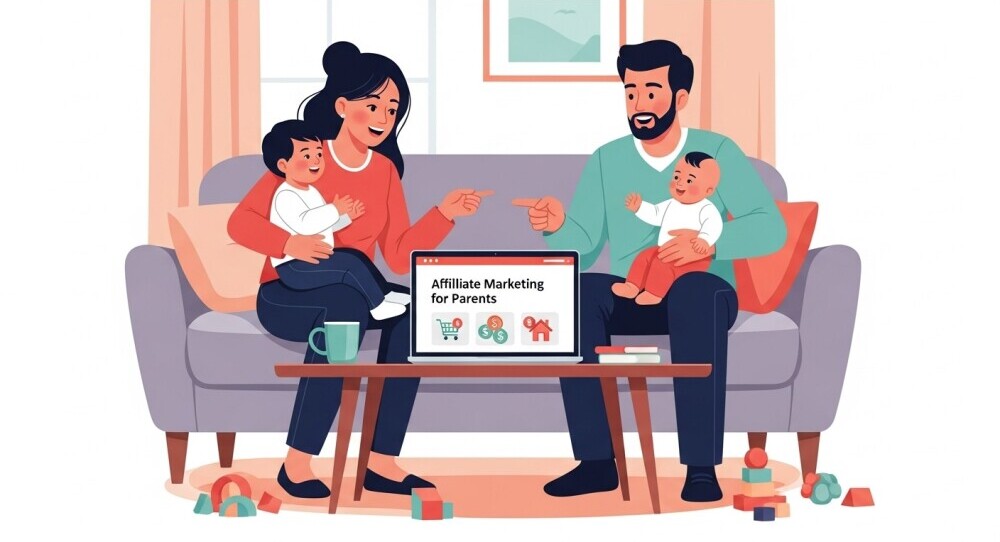
Starting affiliate marketing as a busy parent does not mean clearing your schedule or trying to build everything at once.
The aim is to keep each step simple enough to fit into real life.
Step 1: Choose a Simple Niche You Already Understand
Your niche is the main topic your blog or content will focus on.
The best place to start is usually something connected to your real life, your experience, or problems you already understand.
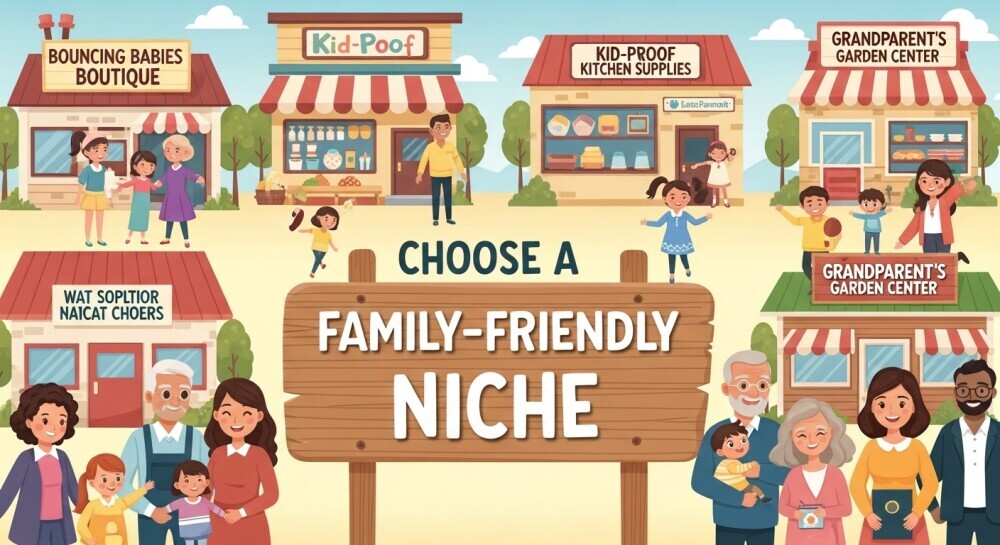
For example:
- Parenting routines
- Family budgeting
- Baby and toddler products
- Working from home
- Blogging for parents
- Family meal planning
- Home organisation
- Special needs parenting
- Educational toys
- Flexible income ideas
You do not need to choose the perfect niche on day one.
Start with a topic you can write about consistently and where helpful products, tools, or services naturally fit.
A good beginner niche usually sits at the overlap of:
- What you understand
- What other people search for
- What useful products or services you can recommend
If you are still unsure, choose one simple audience and one clear problem.
Example:
“Helping busy parents save time with simple meal planning.”
That is much easier to build around than trying to write about everything.
Need help narrowing down your topic? Check out Find Your Parent Niche: Simple Steps To Build A Blog That Fits Your Family Life for ideas and examples.
Step 2: Start a Basic Blog
You do not need a fancy website to start affiliate marketing.
A simple blog with a clear topic, a clean layout, and helpful posts is enough in the beginning.

Your blog gives you a home for:
- Product reviews
- Helpful guides
- Comparison posts
- Tutorials
- Resource lists
- Affiliate recommendations
This matters because social media posts disappear quickly, but blog posts can continue getting found through Google over time.
For most busy parents, a simple WordPress blog is the best long-term option because you own the content and can grow it steadily.
At this stage, keep it simple.
You need:
- A domain name
- Hosting
- A basic WordPress theme
- A few important pages
- One clear topic to start with
You do not need:
- A perfect logo
- Expensive branding
- Complicated design
- Dozens of plugins
- A huge content plan
The goal is to get a simple blog live so you can start learning, publishing, and improving as you go.
Not Sure Which Platform To Use?
If you want to start a parent blog but feel stuck on the tech side, this guide will help. I break down the best blogging platforms for parents, what to look for, and which option makes the most sense if you want something simple and flexible.
Step 3: Join Beginner-Friendly Affiliate Programs
Once you know your niche, you can start looking for affiliate programs that match your audience.
Beginner-friendly options include:
- Amazon Associates for everyday products
- ShareASale for home, parenting, lifestyle, and blogging tools
- Awin for family, lifestyle, and online services
- Individual brand affiliate programs
- Digital tools or courses that genuinely help your readers
Start with one or two programs.
That is enough.
One of the biggest mistakes beginners make is joining too many programs too quickly. It becomes confusing, and your content can start feeling scattered.
Instead, choose programs that match your reader’s needs.
Ask:
- Would I recommend this to a friend?
- Does it solve a real problem?
- Does it fit my niche?
- Can I create helpful content around it?
- Is the affiliate program trustworthy?
Your recommendations should feel useful first and commercial second.
That is what builds trust.
Not Sure Which Affiliate Programs To Join?
Choosing the right affiliate programs can feel confusing at the start. This guide breaks down the best affiliate programs for parent bloggers, including beginner-friendly options you can join today.
Step 4: Create Helpful Content
Affiliate marketing works best when your content solves problems before it recommends products.
You are not just placing links in random posts. You are helping readers make better decisions.
Good affiliate content for busy parents could include:
- “Best Budgeting Apps for Busy Families”
- “How to Start a Blog During Nap Time”
- “Best Educational Toys for Toddlers That Actually Get Used”
- “Simple Meal Planning Tools for Working Parents”
- “Best Blogging Tools for Beginners With Limited Time”
- “How to Organise Your Week as a Parent Blogger”
- “Can You Start Affiliate Marketing With No Experience?”
Each post should answer a real question or solve a specific problem.
Then, where it makes sense, you can recommend a product, tool, course, or service that helps.
A helpful structure is:
- Explain the problem
- Share what matters most
- Compare useful options
- Give your honest recommendation
- Explain who it is best for
- Include your affiliate link naturally
This keeps your content useful rather than salesy.
The best affiliate posts feel like you are helping another parent make a decision, not pushing them to buy something.
Not Sure What Content To Create?
If you are unsure what to write or how to turn ideas into income, this guide will help. It shows you a simple content strategy for parent bloggers so you can create posts that attract readers and lead to affiliate sales.
Step 5: Focus on Search Traffic First
If you are short on time, focus on content people are already searching for.
That usually means learning the basics of SEO and using Pinterest as a visual search platform.
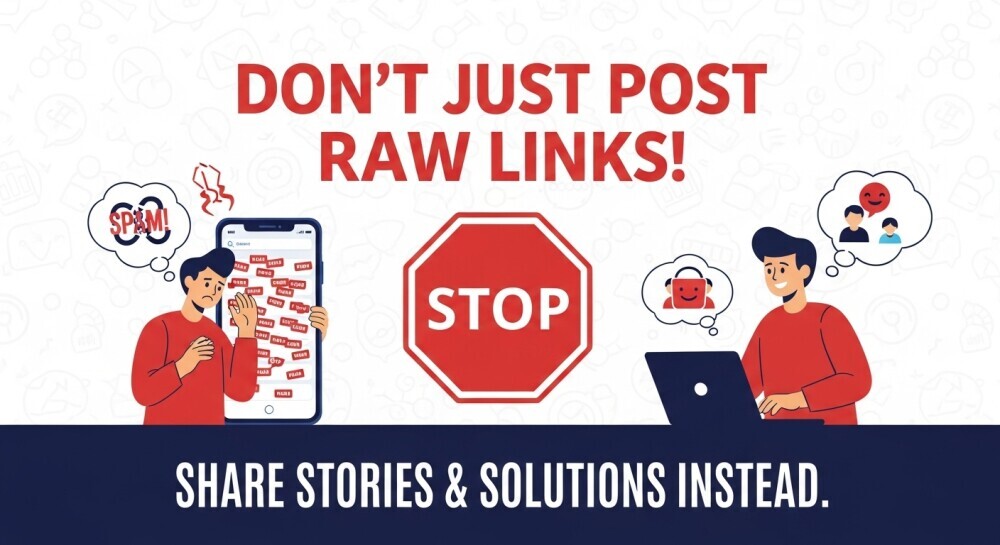
You do not need to master everything at once.
Start with simple search-focused habits:
- Choose one clear keyword for each post
- Answer the main question early
- Use helpful headings
- Write naturally
- Add internal links to related posts
- Create a few Pinterest pins for each article
- Update older posts as you learn more
This is important because search traffic can work for you over time.
A social media post might get attention for a day or two. A helpful blog post can keep bringing readers for months or years if it answers the right question well.
For busy parents, that matters.
You want your limited time going into content that has the best chance of lasting.
Pinterest can also help because parents often use it to search for ideas, routines, products, checklists, and inspiration.
A simple approach is:
- Publish one helpful blog post
- Create 2 to 3 Pinterest pins for it
- Link those pins back to your post
- Repeat weekly if your schedule allows
You do not need to be everywhere.
Focus on one strong content base and one traffic channel first.
Step 6: Keep Going Before You Feel Ready
Affiliate marketing has a learning curve.
Your first posts might feel slow to write. Your website might not look perfect. Your early traffic may be tiny. That is all normal.

Most people do not fail because affiliate marketing is impossible.
They fail because they stop too soon.
As a busy parent, progress may look small at first:
- One post published
- One affiliate program joined
- One Pinterest pin created
- One old article improved
- One keyword learned
- One email subscriber gained
Those steps count.
You do not need to feel ready before you begin. You get ready by doing the work in small, repeatable steps.
The aim is not to build a perfect affiliate business in a few weeks.
The aim is to build a simple system you can keep coming back to, even during busy family seasons.
That is where the real momentum starts.
If you’re looking for step-by-step guidance and a supportive community that actually understands parent life, check out my Wealthy Affiliate Review for Parents.
Common Mistakes Busy Parents Make with Affiliate Marketing

When you are balancing family life alongside learning something new, it is easy to overcomplicate affiliate marketing in the beginning.
Most parents do not struggle because they are incapable of doing this. They struggle because they try to do too much too quickly or expect results before the foundations are in place.
Here are some of the most common mistakes busy parents make, and how to avoid them.
1. Trying to Do Everything at Once
One of the biggest beginner mistakes is attempting to:
- start a blog
- learn SEO
- grow Pinterest
- build social media
- join multiple affiliate programs
- create YouTube videos
- design branding
all at the same time.
That usually leads to overwhelm very quickly.
Instead, focus on one simple system first:
- one niche
- one website
- one content platform
- one traffic source
- one or two affiliate programs
Simple scales much better than scattered effort.
2. Expecting Fast Results
Affiliate marketing is slow at the start.
Most blogs do not get meaningful traffic immediately, and most affiliate links will not generate income in the first few weeks.
That does not mean it is failing.
Search traffic builds gradually. Trust builds gradually. Content builds gradually.
The parents who usually succeed are the ones who keep publishing and improving even when results feel small in the beginning.
3. Writing Content Without Search Intent
A lot of beginners write whatever comes to mind instead of creating content people are actively searching for.
Helpful content usually starts with a question, problem, or search query.
For example:
- “Best Budget Apps for Families”
- “How to Start Affiliate Marketing as a Busy Parent”
- “Easy Meal Planning for Working Parents”
- “Best Blogging Platforms for Beginners”
This is where basic SEO becomes important. You want your content to match real searches people are already typing into Google and Pinterest.
4. Promoting Too Many Products
When every post contains dozens of unrelated recommendations, readers stop trusting the content.
Busy parents respond far better to honest, practical recommendations that genuinely solve a problem.
A few trusted recommendations are usually far more effective than trying to promote everything.
If you would not recommend it to another parent in real life, it probably does not belong in your content.
5. Spending Too Much Time on Design Instead of Content
Many beginners spend weeks:
- changing themes
- redesigning logos
- tweaking colours
- adjusting layouts
while barely publishing anything.
Content matters far more than perfect design in the early stages.
A clean, simple website with genuinely helpful posts will outperform an overly polished site with no useful content.
6. Comparing Your Beginning to Someone Else’s Middle
This one catches a lot of parents out.
It is easy to compare yourself to bloggers who have:
- years of experience
- large audiences
- teams helping them
- hundreds of posts
- full-time schedules
Most successful affiliate marketers started exactly where you are now, learning slowly in small pockets of time around normal life.
Focus on your next step, not someone else’s finished result.
7. Quitting Before Momentum Builds
Affiliate marketing rewards consistency far more than intensity.
One helpful blog post every week for a year is usually far more powerful than posting constantly for one month and then disappearing.
Momentum often feels invisible at first.
Then suddenly:
- older posts start ranking
- Pinterest traffic increases
- affiliate clicks appear
- email subscribers grow
- Google starts indexing more pages
That is why small consistent effort matters so much.
Especially for busy parents.
- You do not need to move quickly.
- You just need to keep moving forward.
What Affiliate Marketing Actually Looks Like in the First 6 Months
One of the biggest reasons parents quit affiliate marketing too early is because they expect results much faster than most blogs realistically grow.
The truth is, affiliate marketing usually starts quietly.
In the beginning, progress often looks small:
- learning how WordPress works
- writing your first few posts
- figuring out keywords
- creating Pinterest pins
- understanding affiliate links
- getting your first visitors from Google
That is normal.
Most successful affiliate marketers build momentum gradually over time rather than seeing instant results.
Here is a more realistic idea of what the first six months often look like for busy parents building affiliate marketing around family life.
Month 1: Learning the Basics
Your first month is usually about setup and learning.
You might:
- choose your niche
- start a simple blog
- write your first few posts
- join your first affiliate program
- learn basic SEO
- create your first Pinterest pins
At this stage, traffic is usually very low.
That does not mean you are failing. You are building foundations.
Month 2: Building Consistency
By month two, most parents are still learning how content creation works.
You may begin:
- publishing more regularly
- improving your writing
- understanding search intent
- learning how affiliate links fit naturally into content
- noticing which topics feel easiest to write about
This is often the stage where motivation dips slightly because results still feel slow.
That is completely normal.
Month 3: Small Signs of Progress
Around this stage, some parents start seeing:
- a few Google impressions
- Pinterest clicks
- early affiliate link clicks
- slightly increasing traffic
- comments or engagement from readers
The numbers may still look tiny, but this is usually where momentum slowly begins building.
Older posts also start giving Google more content to understand your site.
Month 4: Better Content and Clearer Direction
By month four, many beginners start feeling more comfortable with:
- writing blog posts
- keyword research
- affiliate recommendations
- Pinterest creation
- improving older content
This is also when many parents realise they do not need perfection to make progress.
Consistency matters far more than polished content in the early stages.
Month 5: Growing Confidence
At this point, many parent bloggers begin noticing:
- which posts get traffic
- which topics connect best with readers
- where affiliate links naturally fit
- how search traffic works
- how small weekly actions compound over time
Some may earn their first affiliate commissions around this stage. Others may still be waiting.
Both situations are completely normal.
Month 6: Momentum Starts Compounding
By six months, most parents who stay consistent have:
- a growing library of content
- improving writing skills
- better SEO understanding
- more confidence
- clearer routines
- increasing Google visibility
- content that keeps working after publication
This is where affiliate marketing often starts feeling more real.
Not because everything suddenly explodes overnight, but because the small efforts finally begin stacking together.
That is the important thing to understand about affiliate marketing as a busy parent.
- You are not trying to “go viral.”
- You are building a long-term system in small pockets of time.
And for many parents, that slower, steadier growth is actually far more sustainable alongside family life.
Tools That Make Affiliate Marketing Easier for Parents

One of the best things about affiliate marketing is that you do not need dozens of complicated tools to get started.
In fact, most busy parents do better with a simple setup that saves time rather than adding more overwhelm.
These are the main tools that genuinely make affiliate marketing easier when you are building around family life.
1. WordPress for Your Blog
A self-hosted WordPress blog gives you the best long-term flexibility and control.
It allows you to:
- publish helpful content
- create affiliate posts
- show up in Google search results
- build email subscribers
- grow your site over time
You do not need advanced tech skills to use WordPress. Most beginners learn the basics surprisingly quickly once they start publishing content regularly.
The important thing is keeping your site simple and easy to navigate.
2. Canva for Graphics and Pinterest Pins
Canva is one of the easiest tools for creating:
- Pinterest pins
- blog graphics
- checklists
- printable downloads
- social media images
The free version is enough for most beginners.
For busy parents, Canva saves huge amounts of time because you can create simple templates and reuse them each week instead of designing everything from scratch.
3. Pinterest for Traffic
Pinterest works differently from most social media platforms because it behaves more like a visual search engine.
That makes it especially useful for affiliate marketing and blogging.
Parents regularly search Pinterest for:
- routines
- recipes
- budgeting ideas
- organisation tips
- blogging advice
- parenting solutions
- product recommendations
Even creating a few simple pins for each blog post can slowly help bring extra traffic over time.
You do not need to post constantly or become an influencer to benefit from Pinterest traffic.
4. Keyword Research Tools
Keyword research helps you understand what people are already searching for online.
This matters because affiliate marketing works best when your content answers real questions people already type into Google.
Simple keyword research can help you create posts around topics like:
- “best budgeting apps for families”
- “easy meal planning for parents”
- “best blogging tools for beginners”
- “how to start affiliate marketing as a busy parent”
Many beginners start with free keyword tools, then gradually upgrade later if needed.
5. AI Writing and Brainstorming Tools
Tools like ChatGPT can help busy parents:
- brainstorm blog ideas
- create outlines
- improve headlines
- simplify research
- overcome writer’s block
- organise content ideas faster
The important thing is using AI as support, not replacement.
Your real-life experience, parenting perspective, and honest recommendations are what make affiliate content valuable and trustworthy.
AI can save time, but your voice is still the part readers connect with.
6. Wealthy Affiliate for Step-by-Step Guidance
One of the hardest parts of affiliate marketing is figuring out what to focus on first.
That is why platforms like Wealthy Affiliate can help beginners who want everything in one place.
It combines:
- website hosting
- blogging training
- SEO lessons
- keyword research
- writing tools
- community support
into one beginner-friendly platform.
For busy parents, having a clear roadmap can make affiliate marketing feel much more manageable because you are not trying to piece everything together from random YouTube videos or conflicting advice online.
The key with tools is remembering this:
You do not need the “perfect” setup to begin.
Most successful affiliate marketers started with:
- a simple website
- basic tools
- limited time
- small consistent actions
That is more than enough to get moving.
FAQ: How Busy Parents Can Start Affiliate Marketing
Can busy parents really start affiliate marketing with limited time?
Yes. Many parents build affiliate marketing businesses in small pockets of time around family life. Short consistent sessions, like writing after bedtime or creating Pinterest pins at the weekend, can build momentum surprisingly well over time.
Do I need a blog to start affiliate marketing?
No, but having a blog is usually the best long-term option.
A blog gives you a place to create helpful content that can continue getting traffic from Google and Pinterest long after you publish it. Social media can help, but your blog gives you far more long-term control.
How long does it take to make money with affiliate marketing?
Affiliate marketing usually takes time to grow. Most beginners spend the first few months learning SEO, creating content, and building traffic before seeing meaningful income.
It works best as a long-term strategy rather than a quick income solution.
Can I do affiliate marketing without social media followers?
Yes.
Many affiliate marketers grow through search traffic rather than large social media audiences. Helpful blog posts, SEO, and Pinterest can often bring more consistent long-term traffic than trying to become an influencer.
What is the best affiliate program for beginners?
Many beginners start with:
Amazon Associates
ShareASale
Awin
beginner-friendly digital tools and courses
The best affiliate programs usually match your niche and genuinely help your audience solve a problem.
How much time should busy parents spend on affiliate marketing?
You do not need huge amounts of free time.
Many parents start with:
30 minutes a day
one blog post a week
a few Pinterest pins each week
small consistent actions around family life
Consistency matters far more than long work sessions.
Is affiliate marketing expensive to start?
Compared to many businesses, affiliate marketing has relatively low startup costs.
Most beginners start with:
- basic website hosting
- a simple WordPress site
- free tools like Canva
- beginner SEO learning
You do not need expensive equipment or advanced software to begin.
What type of content works best for affiliate marketing?
Helpful content performs best.
Examples include:
- product reviews
- comparison posts
- tutorials
- beginner guides
- “best tools” lists
- problem-solving articles
The goal is to help readers make decisions, not simply push products.
Can affiliate marketing become passive income?
Affiliate marketing is not passive at the beginning because creating content takes time and effort.
However, blog posts can continue bringing search traffic, affiliate clicks, and commissions long after they are published, which is why affiliate marketing can eventually become more flexible over time.
Final Word: Small Steps Still Count
Affiliate marketing can feel overwhelming when you first look at everything people say you “need” to do online.
- More content.
- More platforms.
- More followers.
- More tools.
- More hours.
But most busy parents do not need more pressure.
They need a realistic system they can steadily build around family life.
That is what makes affiliate marketing so powerful for parents. You can start small, learn gradually, and create something that grows over time without needing huge uninterrupted workdays or perfect routines.
- A few helpful blog posts.
- A simple website.
- Consistent weekly actions.
- Learning one skill at a time.
That is how many successful affiliate marketers actually begin.
The important thing is not trying to do everything immediately. It is creating a pace you can realistically maintain, even during busy family seasons.
Because small pockets of time still count.
- One blog post still counts.
- One Pinterest pin still counts.
- One affiliate link still counts.
- One evening spent learning SEO still counts.
Over time, those small actions build:
- traffic
- confidence
- skills
- income opportunities
- long-term flexibility
And for many parents, that steady long-term growth is far more valuable than chasing quick wins that never last.
If you want beginner-friendly training, tools, and support while learning affiliate marketing around family life, you can also read my full Wealthy Affiliate Review to see how the platform works for busy parents building blogs from home.
Ready to Start Affiliate Marketing Around Family Life?
You do not need perfect timing to begin.
You just need a simple starting point and a willingness to keep learning step by step.
That might mean:
- choosing your niche this week
- setting up your first blog
- writing your first helpful post
- learning basic SEO
- creating your first Pinterest pin
Small actions are how real momentum starts.
If you want help creating a blogging routine that fits around family life, explore the Parent Blogging Hub for beginner guides, blogging strategies, affiliate marketing tips, and realistic advice built specifically for busy parents.
And if you want a simple roadmap for getting started, grab the Nap-Time Blogging Checklist to help organise your first steps without overwhelm.
Let’s Chat
What part of affiliate marketing feels hardest to fit around family life right now?
Is it:
- finding time?
- choosing a niche?
- understanding SEO?
- writing content consistently?
- knowing where to start?
- worrying whether it will actually work?
Or maybe you have already started and are trying to figure out what to focus on next.
Drop a comment below and let’s talk about it.
Sometimes the biggest breakthrough is simply realising other parents are figuring this out one small step at a time too.