
How to diversify blog income comes down to adding one new stream at a time, once your affiliate links are in place. For a small parent blog, the order that asks the least is usually an email list first, then a simple digital product, then sponsored posts or display ads once your traffic can support them.
Why Should You Diversify Your Blog Income At All?
Diversifying protects you from the one source of income you do not control. If all your earnings come from affiliate links, a change in a program’s terms, a drop in search traffic or a product going out of stock can cut them overnight.
Affiliate marketing is still a solid foundation. It costs little to start, needs no inventory, and fits the way parents read blogs: someone has a problem, finds your post, and follows a recommendation. The point of a second stream is to give that foundation some support.
There is also a practical reason that suits a household with limited time. A blog with two or three modest income sources is easier to live with than a blog with one source you check anxiously. Small steps matter here. You are not trying to build ten streams. You are trying to get to two or three that you can maintain on an ordinary week.
Which Income Streams Actually Fit A Small Parent Blog?
The streams that fit best are the ones whose demands match what a small blog and a tired parent can supply. Each option asks for something different, so it helps to compare them on three things: how much traffic they need, how much time they take, and how much they interfere with the blog you already have.
Here is the ranking, from the lightest ask to the heaviest:

- An email list. It needs very little traffic to begin, a small weekly time block, and no product. It also makes every other stream work better.
- Simple digital products. These need a few focused hours up front, then little ongoing work. They do best with a small, trusting audience.
- Sponsored posts. They need an audience a brand finds worth paying for, plus pitching, deadlines and clear disclosure.
- Display ads. They are easy to switch on but need meaningful traffic before they pay anything worth noticing, and they change how your pages look and load.
Notice what this list leaves out. Courses, memberships, podcasts, YouTube channels, print-on-demand shops and a dozen other things all exist. They are real options, but none of them is the next move for a small blog. Skipping them is how you avoid the shiny-thing trap: you keep a short list and work through it in order.
Is Your Email List The Safest Place To Start?
For most parent bloggers, yes. An email list is the only audience you own. Search rankings can shift and social platforms change what they show, but a list of people who asked to hear from you stays with you.
It also suits a small blog. You do not need thousands of subscribers for a list to be useful. A few dozen people who opted in for something specific, like a weekly meal plan or a short guide to a topic you cover, will read what you send far more attentively than a passing visitor reads a post.
The work is modest:
- Pick an email tool. Many have free plans while your list is small, so check current limits before you commit.
- Offer one small thing in exchange for an address, such as a one-page checklist related to your best-performing post.
- Add a sign-up box to your top three or four posts, not your whole site.
- Send one useful email on a schedule you can keep, even if that is every two weeks.
The common problems are sending too rarely, selling in every message and skipping the basics of consent. If you want a checklist of what to avoid, 7 email marketing mistakes new parent bloggers make covers them in detail.
An email list also gives you a place to share affiliate recommendations in context, which means your existing stream gets stronger while you build the next one. That is the main reason it comes first.
Can Digital Products Work Without A Big Audience?
Yes, because a small product sold to a small, interested group can work better than a large product pushed at strangers. What matters is that the product answers a question your readers already ask.
Think about what your posts already teach. If you write about toddler routines, a printable routine chart set is a natural fit. If you write about budgeting on one income, a simple monthly tracker fits. If you write about meal planning, a four-week planner does. The product is the finished, tidy version of something readers are already trying to put together themselves.
Good first products for a small blog tend to be:
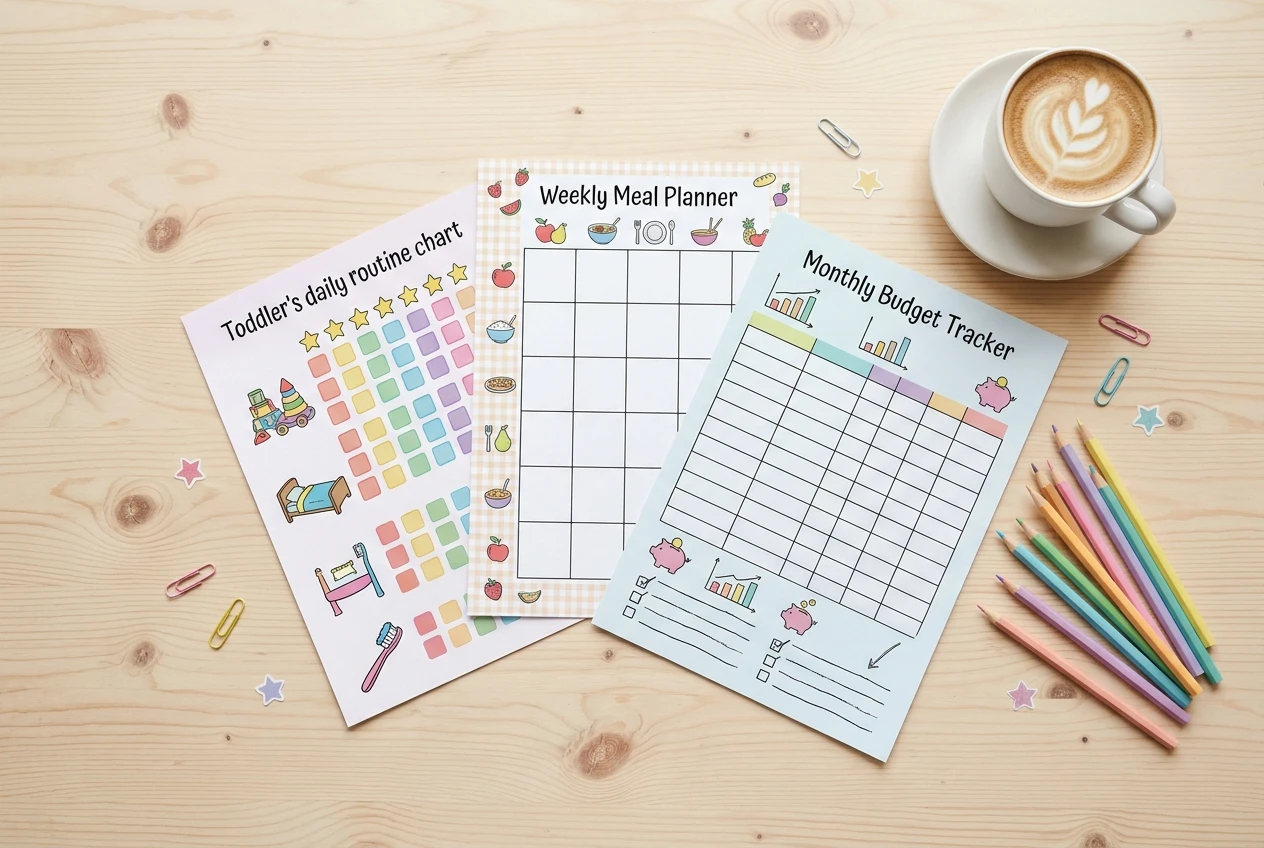
- Printable checklists, planners or trackers
- A short guide or workbook on one narrow topic
- A set of templates, such as a weekly schedule or a chore chart
Keep the first one small on purpose. A product you can finish in a few focused sessions gets released. A large one tends to sit in a folder. You will also learn more from selling five copies of a simple printable than from planning a big course for months, because you find out whether your readers will pay at all.
Digital products come with their own obligations. You will answer the occasional customer question, handle the sales platform’s setup, and check the tax rules where you live. None of that is heavy, but it is real, so it belongs after the email list rather than alongside it. Your list is also the easiest place to tell people the product exists.
When Do Sponsored Posts And Display Ads Make Sense?
Both make sense later, once your traffic and audience are large enough for them to pay properly. They are often the first things people hear about and the wrong things to start with.
Sponsored Posts
A sponsored post is a brand paying you to feature a product or service. Brands generally look for an audience that matches their customers, a clear voice and some evidence that people read your work. They are less concerned with a huge number than with relevance, so a focused parent blog can attract the right brand sooner than you might expect.
What it asks of you is more than the writing. You will pitch or respond to inquiries, agree on terms, work to a deadline, and disclose the sponsorship clearly. Rules on disclosure vary by country, so check the guidance where you live. A deadline can also feel heavier in a week when a child is ill. If you try sponsored posts, say yes only to products you would genuinely mention to a friend, because your readers trust your recommendations and that trust is the asset.
Display Ads
Display ads place banners or video units on your pages, and you earn based on views or clicks. They need almost no ongoing effort once they are set up, which makes them tempting.
The trade-offs are real, though. Most ad networks set a minimum traffic level, and requirements change, so check the current terms. At low traffic the earnings are usually small. Ads can slow your pages and crowd the layout, and they sit next to your affiliate recommendations, competing with them for attention. For a blog whose main income is affiliate links, ads can work against the thing that pays best.
A fair rule is to consider display ads when your traffic is steady and substantial, and to test them on a limited number of pages first so you can see the effect on your affiliate clicks.
How Do You Add One New Income Stream Without Burning Out?
You add one stream at a time, give it a fixed trial period, and give it a fixed block of time each week. Everything else waits.
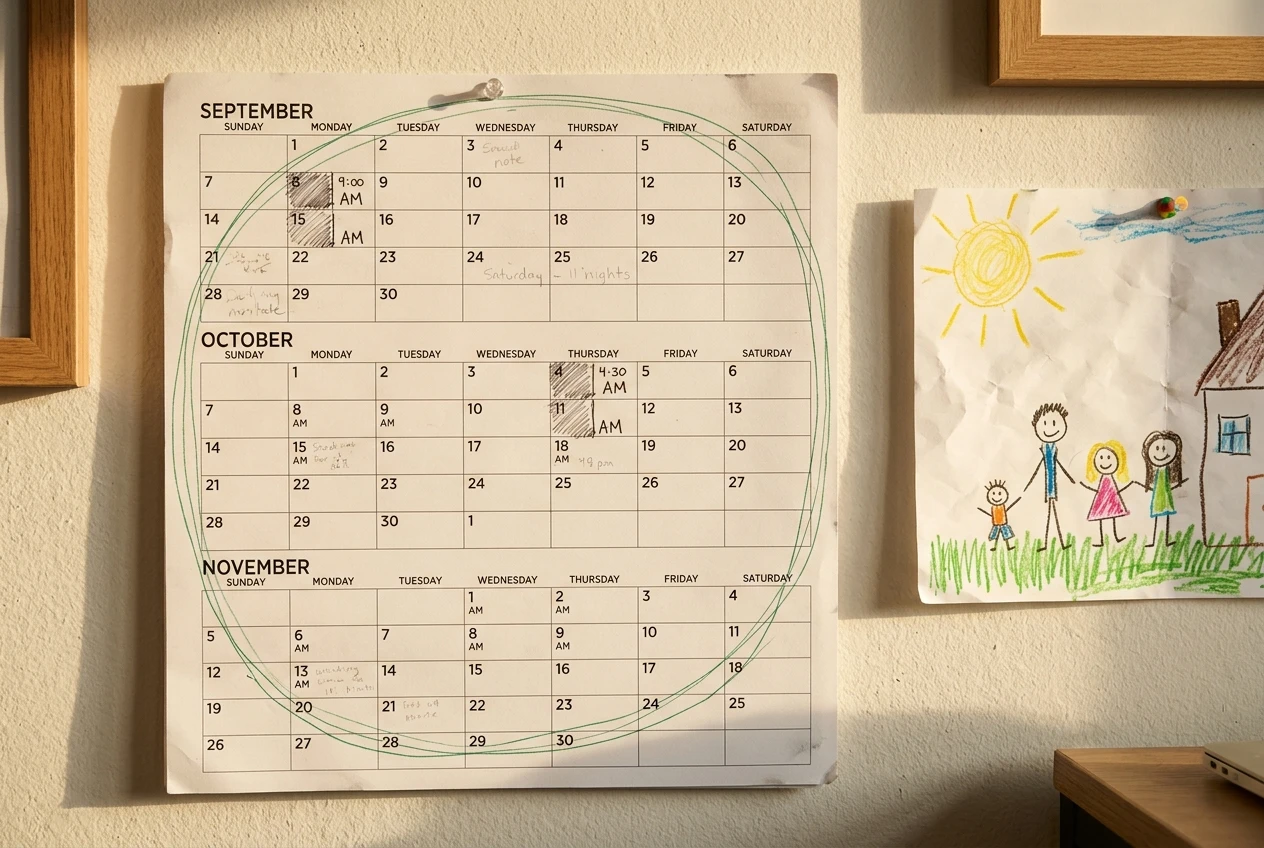
A simple process that fits around family life:
- Choose one stream from the list above, in order. If you have no email list, that is your choice.
- Set a trial period. Ninety days is long enough to learn something and short enough to stay interested.
- Set a weekly time block you can keep in a bad week, such as two 30-minute sessions. If you cannot keep it in a bad week, shrink it.
- Write down what success looks like before you begin. For an email list, it might be a sign-up box on your top posts and six emails sent. For a product, it might be one product live.
- Review at the end. Keep it, change it or stop it. Only then choose the next one.
Be specific about what you will pause while you do this. Adding a stream without dropping anything is how a manageable plan becomes an overloaded one. If you publish weekly, you might publish every other week during the trial. If your time is already stretched, how to balance a side hustle and parenting without burning out is worth reading before you add anything.
Last, measure income and effort together. A stream that pays a little but runs itself may be worth more to you than one that pays more and eats every nap time. You are building something that has to survive school holidays, illness and the weeks when nothing goes to plan.
Final Thoughts
Diversifying your income does not mean doing more things. It means choosing the next thing carefully, building it slowly, and keeping the parts that fit your life. Start with an email list, add a simple digital product when you have readers who trust you, and leave sponsored posts and display ads until your traffic supports them.
If you are still at the stage of building the foundation itself, a blog, training and a supportive community in one place, Wealthy Affiliate is what worked for me. You can take a look at your own pace, with no pressure to decide quickly. My Wealthy Affiliate review explains what is inside, so you can judge whether it suits your situation.
Let’s Chat
Which income stream do you think fits your blog best right now: an email list, a simple digital product, or something else? Tell me in the comments what you are considering and what is holding you back, and I will help you work out a sensible first step.