


Most burnout advice tells you to wake up earlier, batch your content, and automate everything you can. That advice was written by people without a baby who wakes at 5am or a toddler who needs you mid-sentence. If you’re a new parent trying to grow a blog, the problem usually isn’t that you’re working inefficiently. It’s that you’re pacing yourself against a schedule that was never built for your life.
This piece is about setting a rhythm you can actually sustain, not a packed routine or a to-do list dressed up as self-care. If you want ideas on leaning on other bloggers for support, that’s covered elsewhere. Here, the focus is just on pace: how to set one that gets you to month twelve instead of stalling out in month three.
The Burnout Trap That Catches New Parent Bloggers
Here’s how it usually goes. You start strong, publishing two or three posts a week, answering every comment, researching every keyword tool, and trying to post on social media daily. For the first few weeks, adrenaline carries you. Then a sick kid, a bad night’s sleep, or just ordinary exhaustion knocks you off the schedule, and the guilt of “falling behind” makes the whole thing feel heavier than it should.
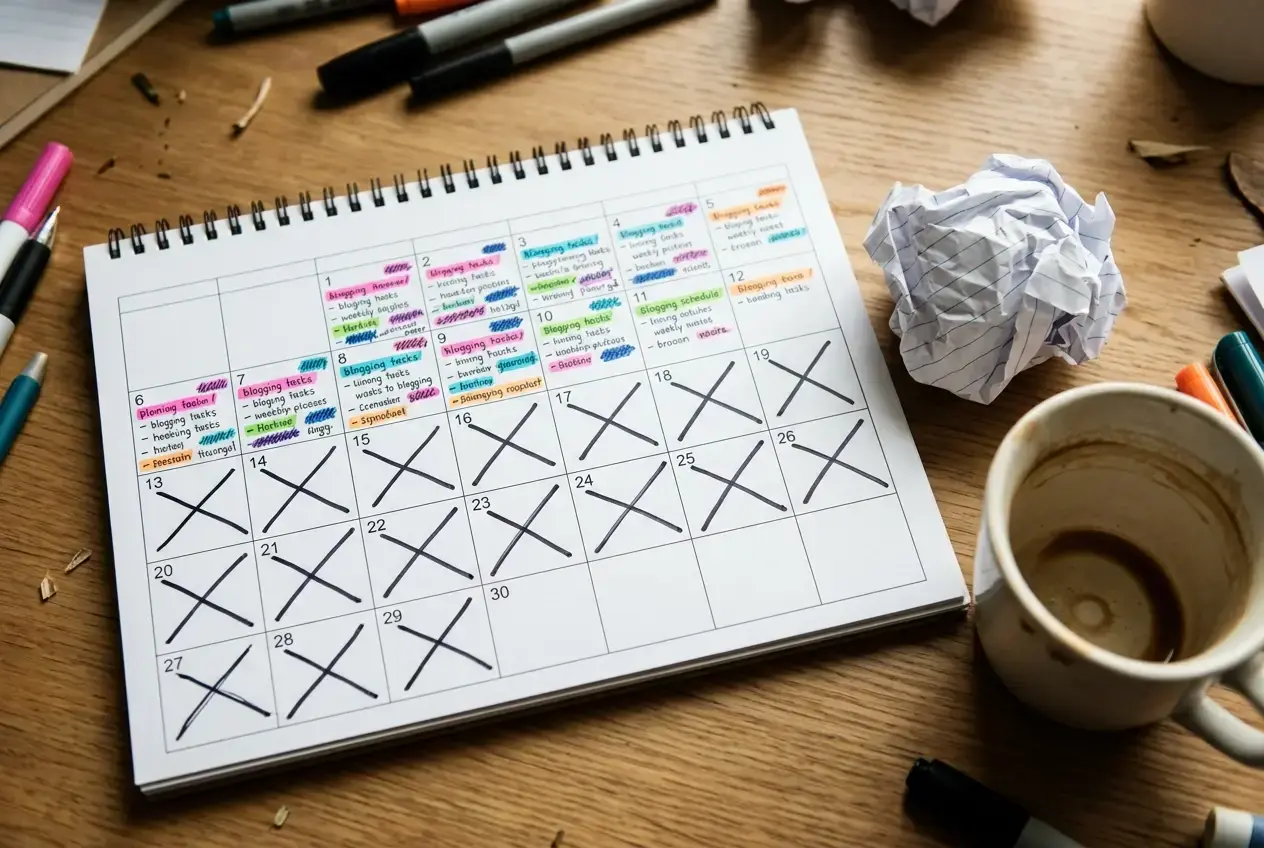
The trap isn’t laziness or lack of commitment. It’s that the pace itself assumed a kind of free time that parenting doesn’t offer. When the pace breaks, a lot of new bloggers conclude the whole project was a mistake, when really it was just the schedule that didn’t fit.
Why ‘Hustle Harder’ Advice Was Never Written for You
Most blogging advice comes from people who can rearrange their whole day around a deadline. Work smarter, wake up at 4am, batch a month of content in a weekend retreat. None of that accounts for a nap that ends twenty minutes early or a kid who needs you now, not in an hour.
The problem isn’t that you lack discipline. It’s that the advice assumes a different set of constraints than the ones you’re actually working inside. A pace built for a person with uninterrupted blocks of time will break for anyone without them, no matter how motivated they are. Your blog needs a different kind of plan, one measured in weeks and months rather than daily output.
Set a Pace You Can Actually Keep for a Year, Not a Week
The question worth asking isn’t “what’s the most I can get done this week” but “what can I repeat for the next twelve months without resenting it.” A pace you can’t sustain isn’t really a pace, it’s a sprint that ends in a wall.
Start smaller than feels ambitious. One post every two weeks, done consistently, will get you further than three posts a week that stop entirely after a month. Consistency compounds. A stalled blog doesn’t.
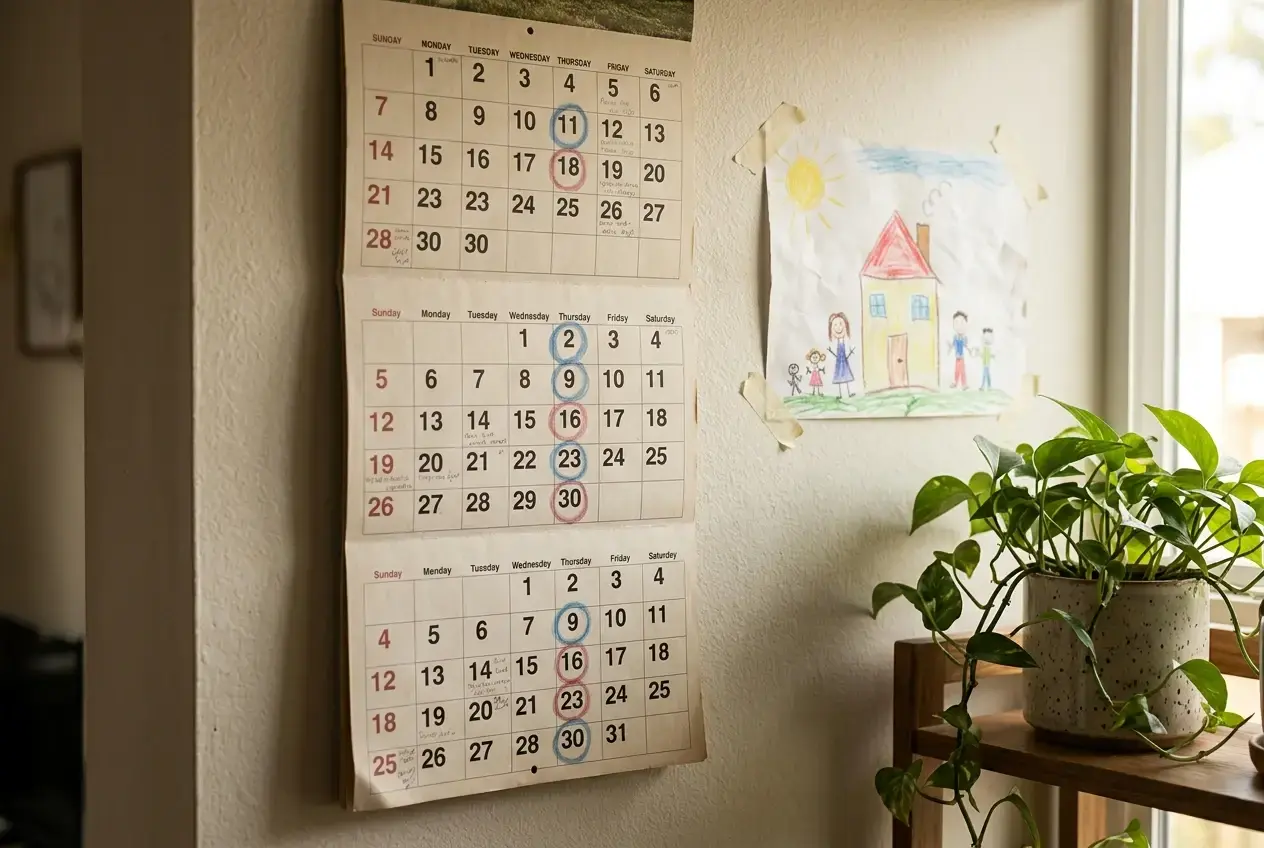
It helps to think in seasons rather than weeks. Some months you’ll have more time, some you won’t. Build slack into the plan on purpose, so a rough week doesn’t mean falling behind, it just means you’re inside the plan you already made. If you want a concrete way to map this out, it’s worth looking at how to plan your next 30 days of blog growth to set goals sized for where you actually are.
Decide What You’re Allowed to Let Go Of
Not everything that blogging advice tells you to do actually matters for where you are right now. Posting daily on every social platform, replying instantly to every comment, chasing every new tool, these are all things you can let go of without your blog falling apart.
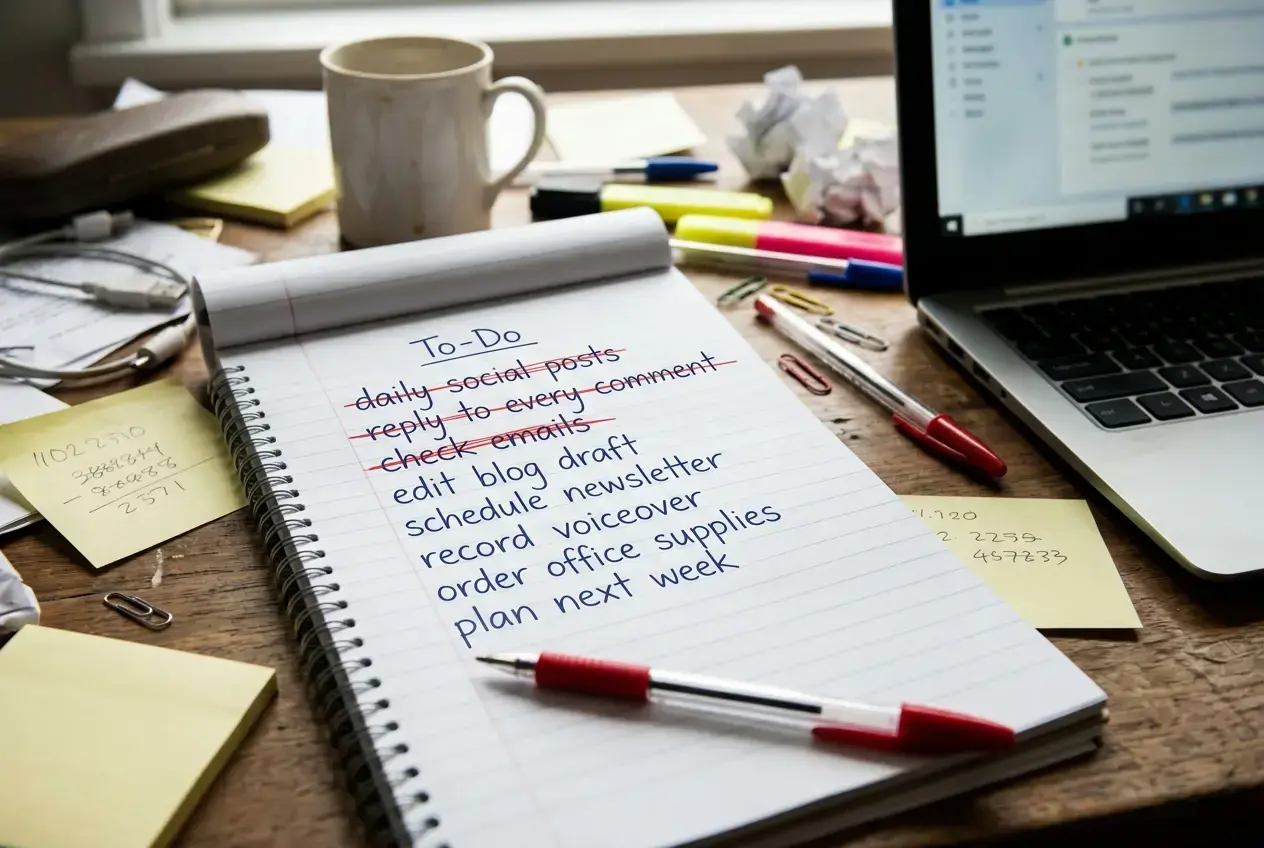
Give yourself permission ahead of time to skip things. Decide in advance which parts of the process are optional for you, so you’re not negotiating with guilt every single week. Maybe that means one social platform instead of four. Maybe it means a newsletter that goes out monthly instead of weekly. The blog that survives is the one where you decided what mattered before burnout decided for you.
The Posts and Tasks That Don’t Actually Move the Needle
A lot of blogging time gets spent on tasks that feel productive but don’t actually build anything. Redesigning your logo for the third time. Tweaking a theme. Scrolling blogging forums looking for the one trick you’re missing. These things feel like progress because they keep you busy, but they don’t move a reader any closer to your content.
What actually moves the needle is usually simpler: a post that answers a real question your reader is searching for, published somewhere people can find it, with a clear way to stay connected like an email list. That’s it. Everything else is optional polish that can wait.
If you’re not sure your time is even going toward the right platform or tools, it’s worth checking that the basics are set up in a way that fits your schedule rather than fighting it.
Signs You’re Already Burning Out and What to Do First
Burnout doesn’t usually arrive all at once. It shows up first as dread before you sit down to write, then as resentment toward a blog you used to be excited about, then as silence, where weeks pass and nothing gets published at all.

If you’re noticing any of that, the first move isn’t to push harder, it’s to shrink the target. Cut your posting goal in half. Skip the social media task entirely for a week. Pick one small thing you can finish instead of the long list you can’t. The goal isn’t to do more, it’s to get back to doing something, consistently, without the weight of everything you think you should be doing.
Rest isn’t a reward you earn after finishing the list. It’s part of what makes the list possible to keep doing month after month.
Where to Turn When Motivation Runs Out
Motivation is unreliable by design. It shows up strong in the first weeks and fades once the new wears off, no matter how good your intentions are. What keeps a blog going after motivation fades is a pace small enough to maintain on a bad week, not a burst of inspiration you’re waiting to feel again.
When motivation runs out, it helps to have something outside your own head to lean on: a plan you made when you had energy, a smaller goal you can hit even on a hard day, or other parents further along who remind you this part is normal and temporary. You don’t have to carry the pace alone or figure it out from scratch every time it slips.
Final Thoughts: Build Your Blogging Business Without the Burnout
A blog built around your family life will look different from one built around a nine-to-five schedule, and that’s fine. The pace that lets you keep going for a year matters more than any single week of output. Small, steady steps, sized for the life you’re actually living, will take you further than a sprint that burns out by month three.
If you’re feeling stretched thin, take a look at ways to lean on other parent bloggers instead of carrying it all alone.
Let’s Chat
If you have any experience of building a blog around family life, I’d love to hear from you. Have you got any hints or tips for anyone who is starting out? Not sure if you are ready to get started, let me know what is getting in the way and I’ll try and help you.