
If you’ve been looking into ways to make money from home, you may have come across Young Living.
It’s one of the most well-known essential oils MLMs, often promoted as a way to improve your health while building a flexible income from home.
You’ll see it shared across social media, parenting groups, and wellness communities, with a strong focus on natural living and lifestyle.
On the surface, it sounds appealing. Essential oils, a passionate community, and the chance to build your own business.
But here’s the real question. Can you actually make money with Young Living, or does it take more time, effort, and selling than most people expect?
In this review, you’ll get a clear breakdown of how Young Living works, what it costs, and whether it’s a realistic option for parents looking to earn from home.
Young Living Review: Quick Verdict
Company: Young Living
Founded: 1993
Type: Multi-Level Marketing (MLM)
Startup Cost: Low entry, but product purchases are encouraged
Earning Potential: Low for most people
Verdict: Young Living offers popular essential oils, a loyal customer base, and a strong wellness community, but most people struggle to earn consistent income due to product costs, ongoing sales activity, and reliance on recruitment. The bigger question isn’t whether Young Living is legitimate. It’s whether it creates the flexibility most parents are actually looking for.
Best For: People interested in natural wellness, essential oils, and community-based selling
Not Ideal For: Busy parents looking for flexible, scalable income and greater control over their time
Not Sure Which Path Is Right for Your Family?
If you’re exploring MLMs, surveys, side hustles, or online business opportunities, it can be difficult to know which options genuinely fit around family life.
Before you commit your time and money, take a look at the approach that changed how I think about earning online.
Read This Before Choosing a Side Hustle »What Is Young Living?
Young Living is a global MLM company focused on essential oils and natural wellness products.
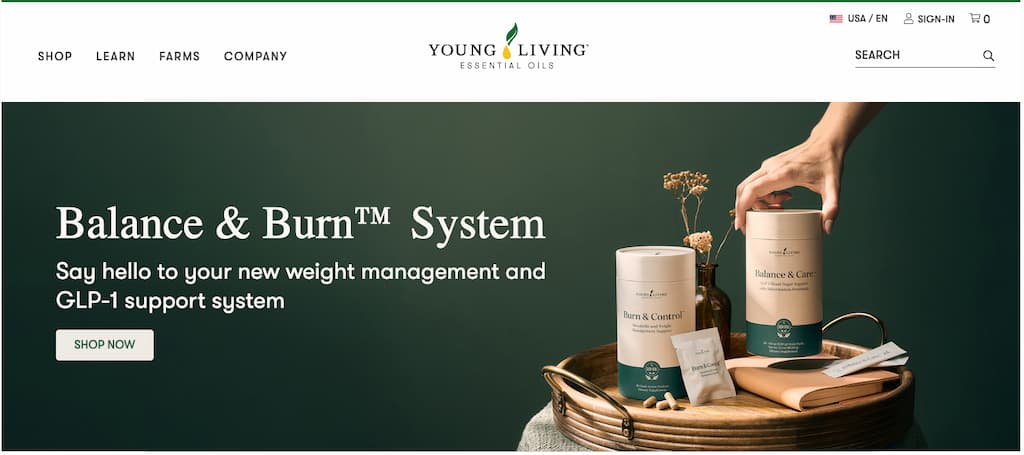
It was founded in 1993 and is one of the oldest and most recognised brands in the essential oils space.
The company is built around:
- Essential oils and aromatherapy
- Natural health and wellness
- A lifestyle focused on holistic living
You’ll often see Young Living promoted through personal routines, wellness tips, and community-driven content.
What Young Living Sells
The product range includes:
- Essential oils and oil blends
- Diffusers and accessories
- Skincare and personal care products
- Supplements and wellness items
Like doTERRA, essential oils are the core product and main entry point.
How It Works in Simple Terms
- You join as a distributor
- You buy and use the products
- You sell products to others
- You can recruit others into your team
- You earn from sales and your team’s activity
On paper, it’s a simple model.
Sell products, build a team, and grow your income.
What Makes Young Living Different
Young Living positions itself slightly differently:
- Strong emphasis on product sourcing and farming
- Long-standing reputation in the essential oils space
- Deep focus on community and lifestyle
- Loyal customer base within wellness circles
This can create strong brand trust for some customers.
What This Means in Practice
While the brand is well established, the challenges remain similar.
- Not everyone understands or trusts essential oils
- You often need to explain products before selling
- Demand can be limited outside niche audiences
For many distributors, this means ongoing effort to build trust and educate customers.
Here’s something I wish I’d understood sooner:
More income doesn’t automatically mean more freedom.
Who Owns Young Living?
Young Living was founded by Gary Young.

The company has grown into a global brand but remains privately owned.
Why This Matters
Young Living’s long history gives it credibility.
- It is one of the original essential oils MLMs
- It has a strong global presence
- It sells real products
But like all MLMs, the company itself does not guarantee success.
Your results still depend on:
- Your ability to sell products
- The time you can commit
- Your ability to build and support a team
Quick Note: I’m John Crossley, founder of Flex For Families. I review online business opportunities through the lens of family life, focusing on costs, time commitments, risks, and whether they genuinely help parents create more flexibility.
What Products Does Young Living Sell?
Young Living’s product range is built around one core focus.
Essential oils.
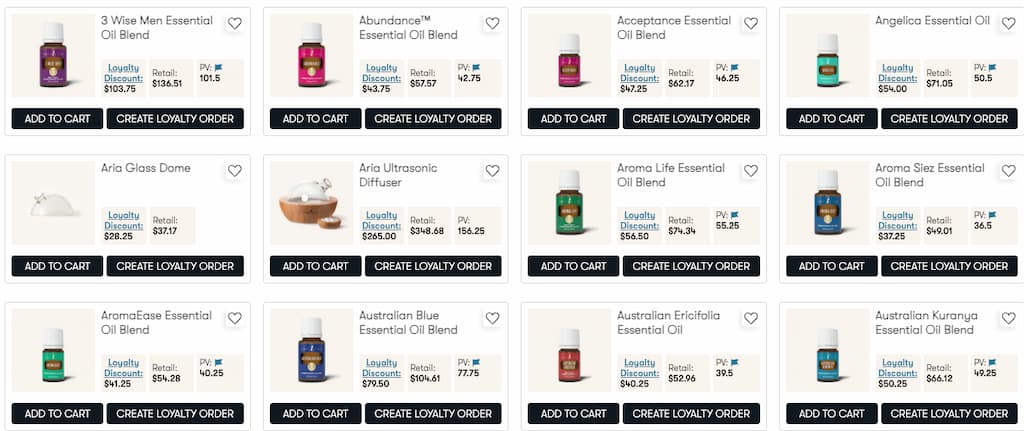
Everything else supports that.
Essential Oils
This is the main product category.
- Single oils like lavender, peppermint, and tea tree
- Blended oils for different uses
- Oils for relaxation, focus, and wellbeing
These are the most commonly promoted products.
Diffusers and Accessories
To use the oils, customers often need additional items.
- Diffusers for home use
- Rollers and applicators
- Storage kits and travel options
These increase the overall order value.
Skincare and Personal Care
Young Living also offers:
- Skincare products
- Body care items
- Natural personal care products
These are often positioned as extensions of the oils.
Supplements and Wellness Products
There is also a growing focus on:
- Vitamins and supplements
- Wellness kits and bundles
- Daily health products
These are often bundled with oils to encourage larger purchases.
Do These Products Actually Sell?
This is where expectations need to be realistic.
The products appeal strongly to:
- Wellness-focused audiences
- People interested in natural living
- Existing essential oil users
But there are challenges:
- Prices are often higher than alternatives
- Many customers need education before buying
- Not everyone believes in the benefits
For many distributors, this leads to:
- Time spent explaining products
- Heavy use of personal stories
- Increased focus on community building
How Does Young Living Work In Practice?
The structure is similar to other MLMs, but with a strong focus on trust and lifestyle.

1. Sell Products
- You promote oils and wellness products
- Customers buy through you
- You earn commission on sales
This often involves:
- Sharing routines and experiences
- Educating customers about oils
- Building trust over time
2. Build a Team
- You recruit others into Young Living
- They sell products and recruit further
- You earn a percentage of their activity
This is where most of the income potential is presented.
The Day-to-Day Reality
Most distributors spend time:
- Creating content around oils and wellness
- Messaging potential customers
- Educating people about product use
- Encouraging others to join
This requires consistent effort.
What This Means for Parents
For busy parents, this model can be demanding.
You are not just selling products. You are:
- Teaching and explaining
- Building relationships
- Promoting regularly
If your time is limited, this can be difficult to sustain.
Still weighing up your options?
At this point, many people realise that niche products like essential oils often require more education and effort to sell.
If you’re a parent looking for a flexible way to make money from home, it’s worth understanding what actually works before you commit your time and money.
This guide breaks it down clearly:
👉 Thinking About MLMs, Surveys, or Side Hustles? Read This First
How Do You Make Money With Young Living?
There are two main ways to earn with Young Living.
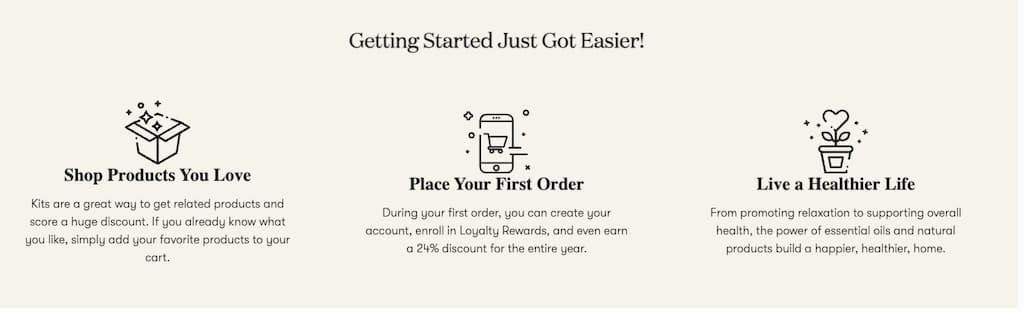
1. Retail Profit
- You buy oils at a discounted rate
- You sell them at retail price
- You earn the difference
This usually involves:
- Sharing how you use the oils
- Educating others on benefits
- Building trust through content or conversations
Because the products often need explaining, sales can take time.
2. Recruitment and Team Income
This is where most of the income potential is presented.
- You recruit others into Young Living
- They become part of your team
- You earn a percentage of their sales
As your team grows, your income can increase.
But this adds pressure:
- You need to find new people
- You need to support and train them
- Your income depends on their activity
The Reality Most People Experience
On paper, this looks like a scalable business.
In reality, many people find:
- Retail sales alone are not enough
- Education slows down the sales process
- Recruitment becomes important for growth
This is where most people struggle.
How Much Does It Cost to Join Young Living?
The entry cost is relatively low.
Typical costs include:
- Registration or starter kit
- Initial product purchases
Starter kits can vary depending on how many oils you buy.
Ongoing Costs to Consider
- Regular product purchases
- Reordering oils for personal use or stock
- Marketing or content creation
- Training or events
With niche products, ongoing engagement often means ongoing spending.
Can You Realistically Make Money?
This is the key question.
Young Living does not widely publish detailed income data, but the pattern is similar to most MLMs.
- A large percentage of distributors earn little or nothing
- Many earn less than they spend once costs are included
Across the MLM industry:
- Around 90 to 99 percent of participants do not make significant income
What This Means for You as a Parent
If you are short on time and looking for reliable income, this model can be difficult.
You are relying on:
- Selling niche products
- Educating customers
- Recruiting and supporting a team
That makes income unpredictable.
What Does This Mean for Family Life?
One thing that makes Young Living different from many MLMs is the strong lifestyle element.
Customers are not simply buying essential oils.
They’re often buying into a broader philosophy around natural living, wellness, and daily routines.
That means many distributors spend time:
- Sharing personal experiences
- Creating wellness-focused content
- Educating customers
- Building relationships within the community
- Promoting products through lifestyle marketing
None of these activities are necessarily difficult.
The challenge is that they require consistency.
For busy parents, it’s worth considering whether you want to spend your limited free time building a wellness-focused brand and community around your business.
This is why I encourage parents to ask:
Will this create more flexibility for my family, or simply create more work?
Are You Selling Products or Promoting a Lifestyle?
One thing that stands out about Young Living is how closely the products are tied to a particular lifestyle.
Many distributors don’t just promote essential oils.
They also promote:
- Natural living
- Wellness routines
- Holistic approaches
- Community values
For some people, that’s a natural fit.
If you’re passionate about this lifestyle already, sharing it may feel easy and authentic.
For others, it can create pressure to constantly share personal experiences, routines, and content online.
Before joining, it’s worth asking whether you’re comfortable building a business around a lifestyle as well as a product range.
Because in practice, many successful distributors end up promoting both.
A Better Way to Think About It
If your goal is to earn from home around your family, it helps to focus on something that:
- Grows over time
- Does not rely on constant selling
- Gives you more control over income
Before you commit to Young Living or any MLM, take a few minutes to read this.
👉 Thinking About MLMs, Surveys, or Side Hustles? Read This First
Online Reviews of Young Living
Young Living has a strong presence online, especially within natural health and wellness communities.
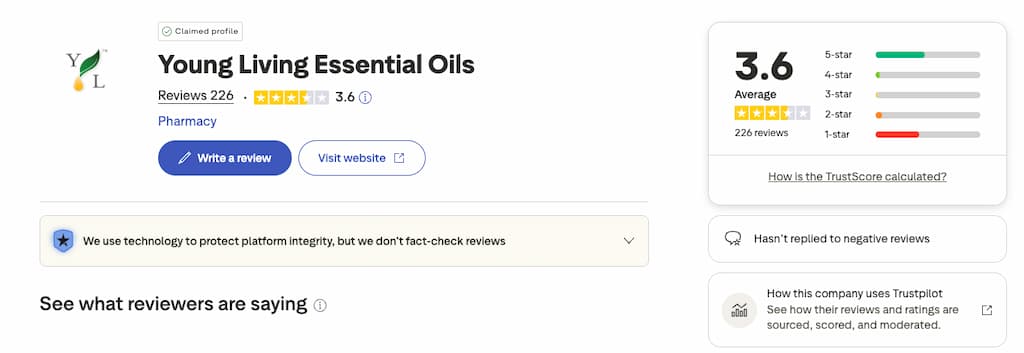
Reviews tend to fall into two main areas. Product experience and business opportunity.
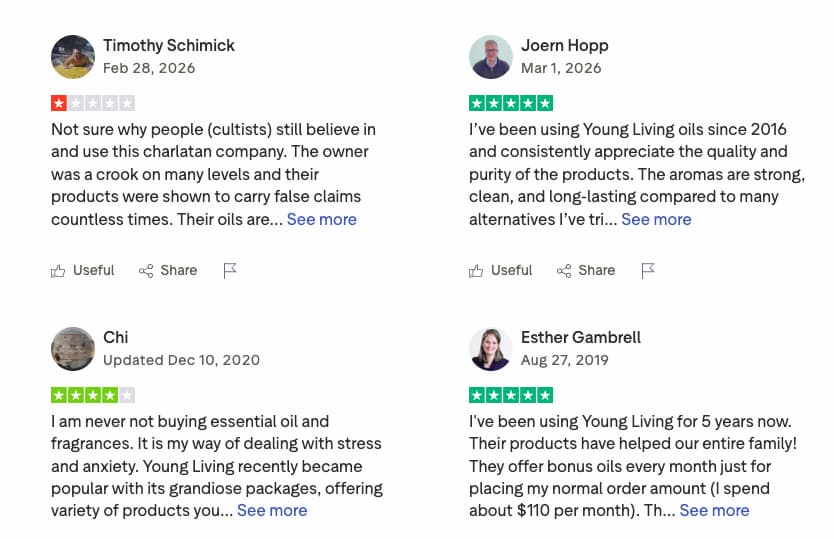
Positive Reviews
Some customers and distributors report good experiences, especially those already interested in essential oils.
Common positives include:
- Strong brand trust within the essential oils space
- Loyal customers who reorder regularly
- Supportive community and team environment
- Lifestyle appeal around natural living
For people already in the wellness space, this can feel like a good fit.
Negative Reviews
This is where most concerns come in.
Common complaints include:
- Higher prices compared to similar oils
- Difficulty explaining products to new customers
- Pressure to recruit others
- Income not matching expectations
Some also mention:
- Time needed to educate customers
- Limited appeal outside niche audiences
- Heavy reliance on social media promotion
What Most Reviews Agree On
Across both sides, a few patterns stand out:
- Products appeal to a specific audience
- Earnings are usually lower than expected
- Success often depends on recruitment as well as sales
What This Means for You
Young Living may appeal if you already like essential oils.
But for most people, especially busy parents, it requires more time and effort than expected.
You need to educate, engage, and stay consistent.
Young Living Review: Pros and Cons
Before you decide if Young Living is right for you, it helps to look at both sides clearly.
There are some positives, but also clear limitations.
Pros
- Strong brand recognition in essential oils
- Loyal customer base in wellness communities
- Repeat purchase potential
- Established company with long history
- Clear system for selling and building a business
Cons
- Products are expensive compared to alternatives
- Requires education before selling
- Most people earn little or no profit after costs
- Strong reliance on recruitment for higher income
- Limited audience outside niche markets
- Income is unpredictable and not guaranteed
Who Is Young Living For and Who Should Avoid It?
Not every opportunity fits every lifestyle. This is where you decide if this model works for you.
Who It’s For
Young Living may suit you if:
- You have a strong interest in essential oils or natural wellness
- You are comfortable educating others about products
- You enjoy building relationships with customers
- You are open to recruiting and growing a team
- You have time to stay consistent
For some people, this can feel like a natural fit.
Who Should Avoid It
Young Living is likely not the best fit if:
- You are a busy parent with limited time
- You want a low-pressure way to earn from home
- You are not comfortable explaining niche products
- You do not want to rely on recruitment
- You need steady or predictable income
What This Means in Simple Terms
If you enjoy the wellness niche and have time to commit, this could work.
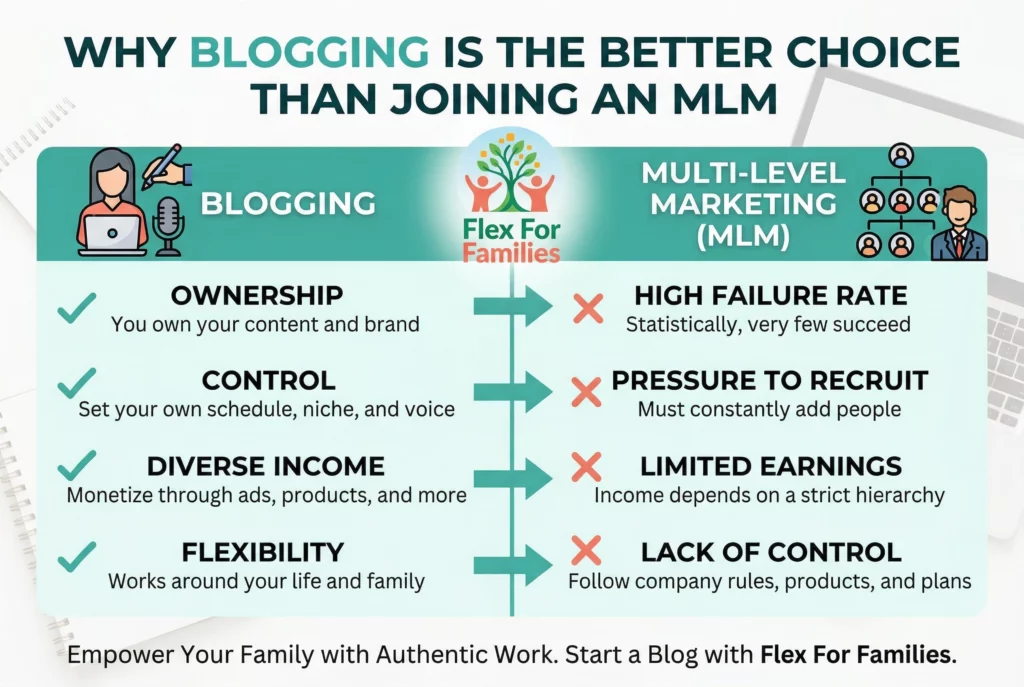
But if you want something flexible, scalable, and built around family life, this model can be hard to sustain.
Young Living Review: FAQ Section
Is Young Living a scam?
Young Living is not a scam. It is a legitimate MLM company that sells essential oils and wellness products. However, most people struggle to earn consistent income due to product costs, niche demand, and the need for ongoing sales and recruitment.
Is Young Living a pyramid scheme?
Young Living is not classified as an illegal pyramid scheme. It sells real products and operates legally. However, like many MLMs, income often depends heavily on recruitment as well as product sales.
Can you really make money with Young Living?
Some people do make money with Young Living, but most earn very little. Income depends on selling products, educating customers, and building a team, which can be difficult for many people.
How much does it cost to join Young Living?
Joining Young Living usually requires a relatively low upfront cost, often through a starter kit. However, ongoing costs such as product purchases, marketing, and training can increase total expenses.
Is Young Living a good option for parents?
For most parents, Young Living can be difficult to sustain due to time demands, product education, and reliance on recruitment. More flexible and scalable income options may be better suited.

About the Reviewer
Hi, I’m John Crossley, founder of Flex For Families.
I’m a parent, blogger, and online business owner who helps families find realistic ways to create more flexibility through blogging, affiliate marketing, and online business.
Like many people, I’ve spent years researching online opportunities, testing platforms, and learning how to separate genuine business models from expensive hype. I’ve also experienced the frustration of chasing opportunities that promised freedom but demanded more time away from family.
Today, I use that experience to review courses, side hustles, AI opportunities, and online business programmes through a simple lens:
Will this genuinely help parents create more flexibility, or will it create more pressure?
Every review on Flex For Families focuses on costs, time commitments, risks, and realistic expectations, so you can make informed decisions before investing your time or money.
Final Verdict: Is Young Living Worth It for Parents?
Young Living is a legitimate company with a long history, a loyal customer base, and strong recognition within the essential oils industry.
For some people, particularly those passionate about natural wellness and holistic living, that can make the opportunity appealing.
But legitimacy and suitability are not the same thing.
To make Young Living work, you’ll typically need to:
- Promote products consistently
- Educate customers about essential oils
- Build trust over time
- Stay active within the wellness community
- Recruit and support team members
For many busy parents, that’s where the challenge begins.
Time is limited.
Family commitments come first.
And the flexibility that wellness MLMs promise can sometimes feel harder to achieve once the daily demands of education, promotion, and recruitment become clear.
That’s why I believe the most important question isn’t:
“Can you make money with Young Living?”
It’s:
“Will Young Living create the flexibility you’re looking for?”
If your goal is more control over your time, more ownership of what you’re building, and a business that can grow around family life, it’s worth exploring all of your options before committing to an MLM.
Young Living may be the right fit for some people.
But for many parents, there are other paths that offer greater flexibility, ownership, and long-term potential.
Want a Better Way to Make Money From Home?
Before you commit to Young Living, read this first
Many parents try MLMs or niche product side hustles, only to find they take more time and earn less than expected.
If you want something more flexible, more reliable, and built around your schedule, there is a better path.
This guide shows you what actually works and what to avoid:
Let’s Chat
Have you looked into Young Living or other essential oil businesses before?
Did the natural wellness angle make it feel easier to recommend, or did it seem harder to explain than expected?
Drop a comment below and share your experience. It will help other parents make a more informed decision