
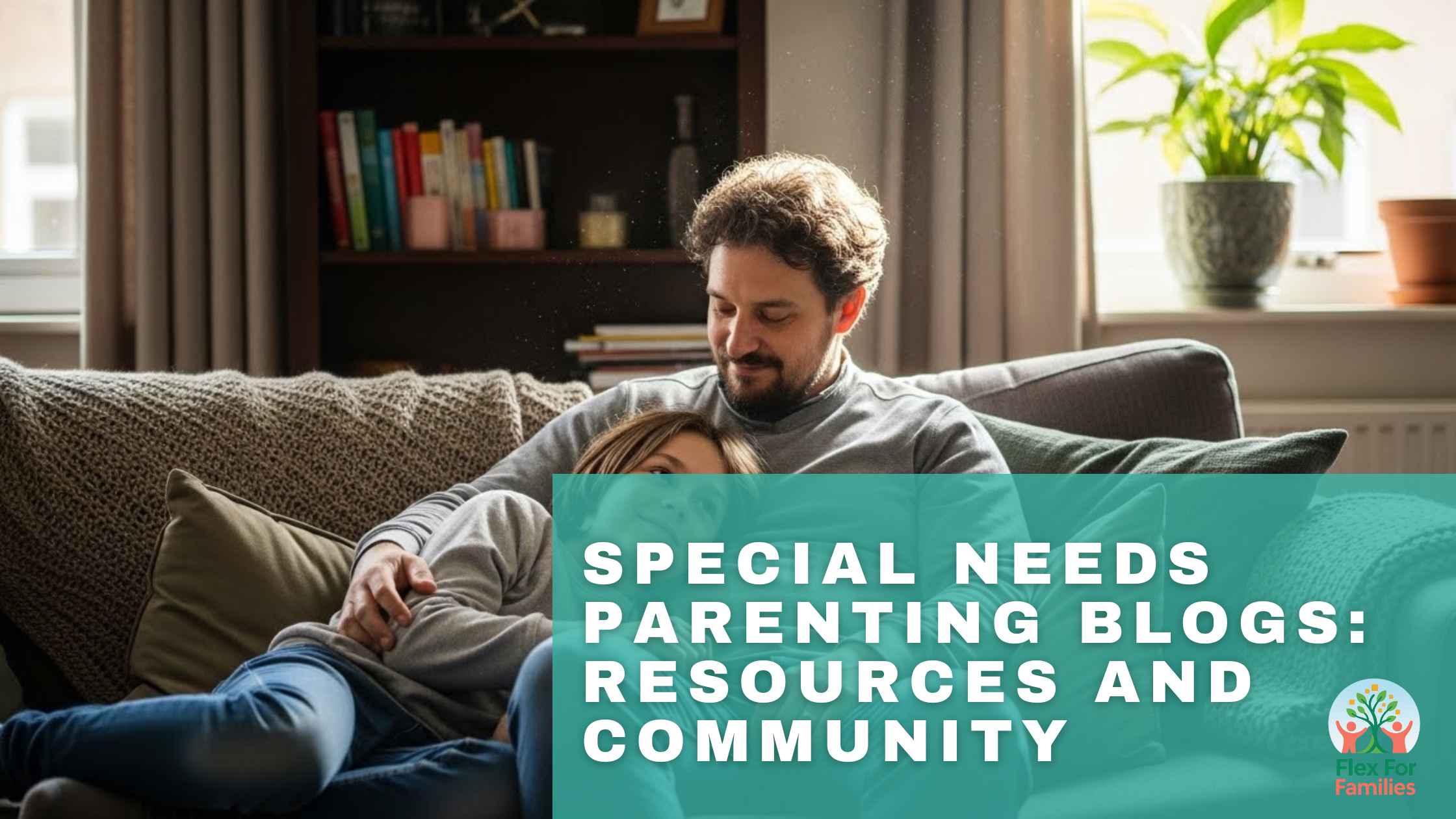
Special needs parenting isn’t something you prepare for overnight. It unfolds slowly, often unexpectedly, and usually while you’re figuring things out as you go. Over the years, I’ve learned that one of the most powerful supports doesn’t come from manuals or professionals alone. It comes from other parents who genuinely get it.
From therapy tips to honest reflections on tough days, special needs parenting blogs have become quiet online spaces where it’s safe to recharge, laugh, and feel understood. They remind you that you’re not failing, you’re adapting. And that matters.
In the UK, many parents use terms like SEND, additional needs, or neurodiversity. I’ll use “special needs” here simply because it’s widely recognised online, but this space is about supporting families navigating additional needs in whatever language feels right to you.
Why Special Needs Parenting Blogs Matter
Parenting alongside therapy appointments, education plans, and everyday family life can feel relentless. Blogs written by parents offer something that clinical resources often can’t. Real-life experience.
Reading about another parent’s difficult school morning or their small breakthrough moment can be grounding. It reminds you that you’re not alone in the uncertainty or the learning curve.

When I was first searching for answers, it wasn’t polished advice that helped most. It was honesty. Stories that said, “This is hard, but you’re not doing it wrong.”
Blogs also help normalise the emotional side of parenting children with additional needs. The grief, the pride, the exhaustion, and the unexpected joy. Seeing those emotions reflected back helps reduce isolation in a way few other resources can.
Finding the Right Blogs and Community Resources
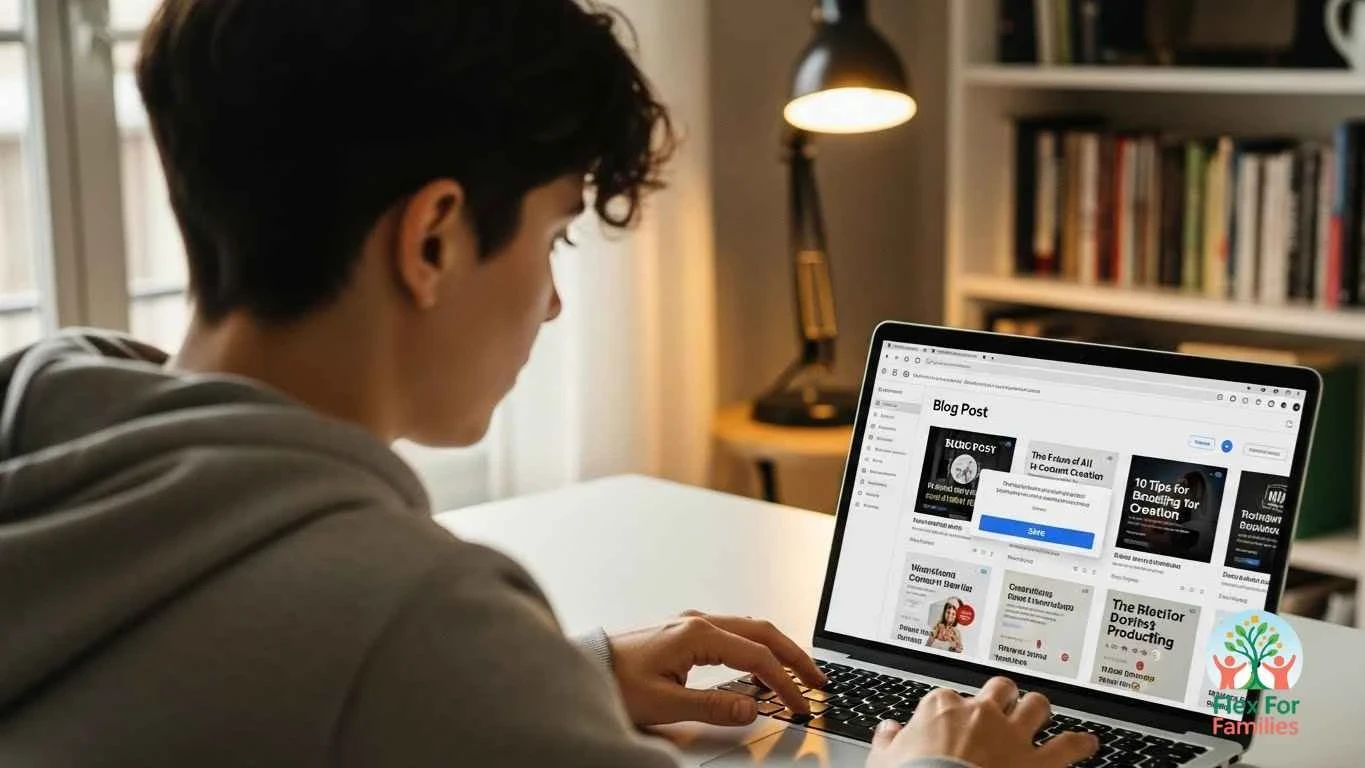
Not every blog will resonate, and that’s okay. The strength of online communities is the range of voices available. Over time, I’ve learned to look for a few key things when discovering new blogs or spaces.
- Authenticity matters most. Writers who share both struggles and small wins tend to create the most supportive environments.
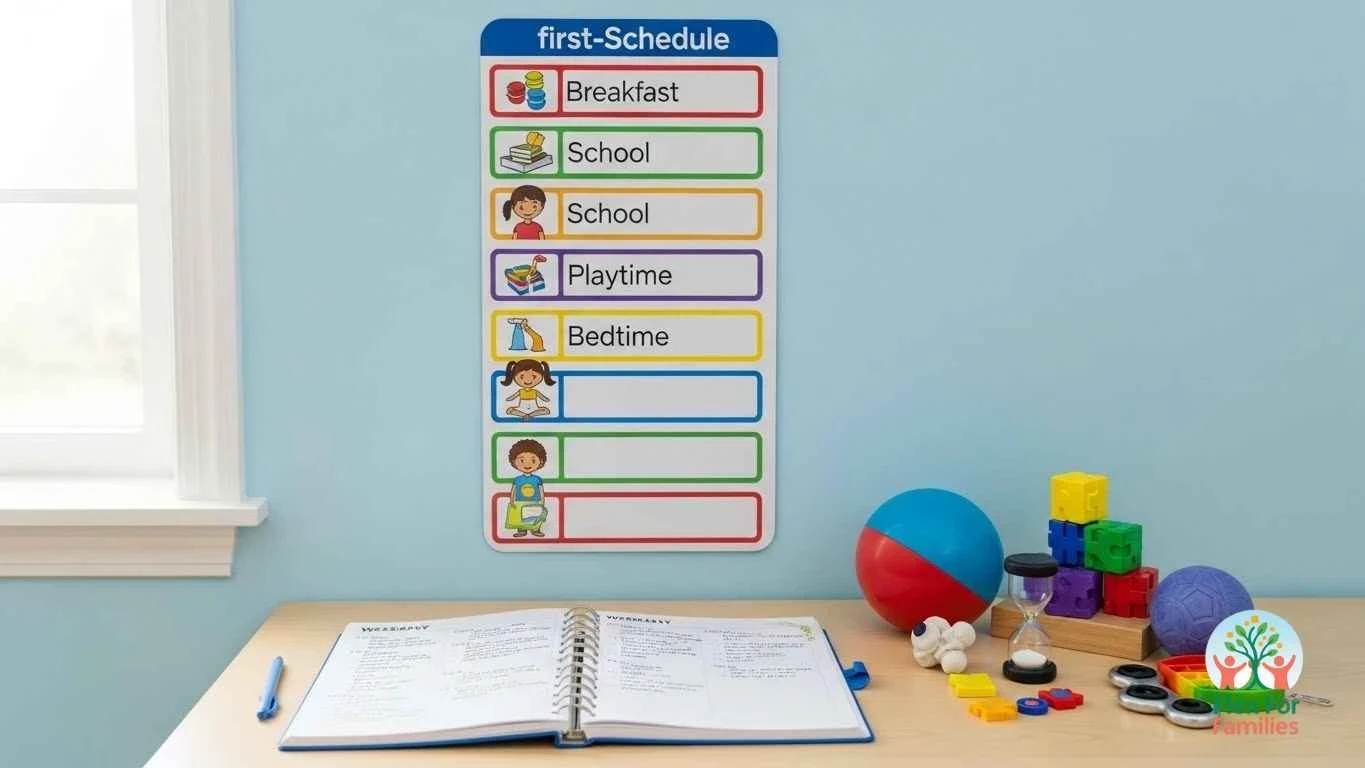
- Practical advice makes a difference. Whether it’s visual schedules, communication tips, or navigating education systems, real-world guidance is invaluable.
- A family-first mindset is essential. Blogs that value flexibility and wellbeing over perfection feel far more sustainable.
- Community connection helps too. Comment sections, newsletters, or small social groups can turn reading into belonging.
Blogs such as Love That Max or Different Dream Living are good examples of spaces that blend lived experience with encouragement and resources, without pretending there’s a single “right” way to parent.
How These Blogs Support Everyday Life
Special needs parenting comes with constant change. Blogs become places you return to for reassurance as much as information.
Parents often lean on these spaces for things like advocacy tips, especially around education and care planning. Others find comfort in shared therapy ideas, school strategies, or flexible routines that acknowledge how unpredictable days can be.
Just as important are the conversations around burnout and self-care. Not the glossy kind, but honest reminders that your well-being matters too.
Sometimes support looks as simple as bookmarking a post to reread later, or scrolling through comments late at night and realising someone else feels the same way you do.
Finding Balance Through Shared Experience
A common theme across many blogs is balance. Not balance as a perfect schedule, but balance as sustainability.

Parents share simple strategies that help family life feel steadier. Shared calendars. Flexible meal planning. Small routines that create moments of calm. Even tiny traditions can bring a sense of grounding.
What stands out is how often parents adapt advice rather than follow it rigidly. These blogs encourage experimentation, not perfection. That mindset alone can lift a lot of pressure.
Common Challenges Parents Talk About Openly

One of the most reassuring things about special needs parenting blogs is how openly challenges are discussed.
- Overwhelm is a frequent topic. Parents swap ideas, like breaking tasks into smaller steps or using simple reminders to stay afloat.
- Isolation comes up often, too. Many parents find connection through online groups before they feel ready to reach out locally, and that first step still counts.
- Burnout is spoken about honestly. Not as something to “push through,” but as a sign that support and rest are needed.
- Advocacy fatigue is another shared experience. Blogs remind parents to celebrate small wins and lean on others when systems feel heavy.
These conversations don’t offer quick fixes, but they do offer solidarity. And that’s powerful.
Building Connection and Creating More Freedom
Once basic support is in place, many parents begin to explore ways to deepen connection and reclaim some breathing room.
Some start small communities of their own. Others follow a wider range of voices to broaden their perspective. Many combine online support with local resources when they’re able.

Some blogs also share stories of parents creating flexible income or work-from-home setups that fit around family priorities. Not as a promise, but as proof that different paths are possible.
Community, in all its forms, creates space for growth. Not just for children, but for parents too.
FAQ – Special Needs Parenting Blogs: Resources and Community

Question: What if I do not like the term “special needs”?
Answer: That’s completely valid. In the UK, many families prefer terms like SEND, additional needs, or neurodiversity. Use the language that feels right for your family. When you search online, trying a few different terms can also help you find more relevant blogs and communities.
Question: How do I find blogs that match my child’s needs and age?
Answer: Start with a few specific keywords, such as your child’s diagnosis (if you use that label), age, and the challenge you want help with, like sleep, school transitions, sensory needs, or communication. Save the blogs that feel helpful and let the rest go.
Question: Are special needs parenting blogs a replacement for professional support?
Answer: No. Blogs are best for lived experience, practical ideas, and community support. For medical, therapy, or education decisions, it’s still important to use professional guidance and trusted organisations, then use blogs to feel less alone and pick up real-life tips.
Question: What if reading other people’s stories makes me feel overwhelmed?
Answer: It happens. Some days you need resources, other days you need a break. Try limiting reading to one helpful post at a time, stick to practical topics, or mute accounts that leave you feeling worse. Protecting your headspace is part of caring for your family.
Question: Where can I find safe, supportive communities alongside blogs?
Answer: Look for spaces with clear rules, active moderation, and a respectful tone. Many bloggers run small groups, newsletters, or private communities. You can also start by quietly reading before you post; that still counts as showing up.
Question: I want to start my own blog, but I’m worried about privacy. What should I do?
Answer: You can share your experience without sharing identifying details. Many parents use first names only, avoid school names and locations, and focus on what they learned rather than personal specifics. You can also write more generally about routines, resources, and encouragement.
Open the Door to Family-First Community
Parenting a child with additional needs can feel isolating at times, even when you’re surrounded by people who care. That’s why blogs written by parents living this reality matter so much. They remind you that your challenges are shared, your feelings are valid, and your small wins count.
Special needs parenting blogs aren’t about having all the answers. They’re about honesty, learning as you go, and finding reassurance in real stories from families who understand the messy, beautiful, exhausting parts of this journey. Whether you’re looking for practical tips, emotional support, or simply a place where you don’t have to explain yourself, these spaces offer connection without judgement.

You don’t have to read everything, join every group, or follow every voice. Even one blog or community that feels right can make a difference. Take what helps, leave what doesn’t, and trust that your family’s path is allowed to look different.
Community doesn’t fix everything, but it can make the road feel lighter. And sometimes, that’s exactly what we need.
A Gentle Next Step
If reading about the power of community resonates, you might also find value in exploring how community support plays a role when parents are building something new from scratch. I talk more about that in my post on why community support matters when you’re building a blog from the ground up.
You don’t need to take on everything at once. Sometimes simply knowing where support exists is enough for now.
Let’s Chat
If you’re parenting a child with additional needs, support can look very different at different stages. Some days it’s practical advice. Other days, it’s simply knowing someone else understands.
I’d love to know, have you found any blogs, communities, or voices that have helped you feel less alone on this journey? Or are you still looking for a space that feels right?
Share as much or as little as you feel comfortable with in the comments. This is a calm, supportive space, and every experience is welcome.