

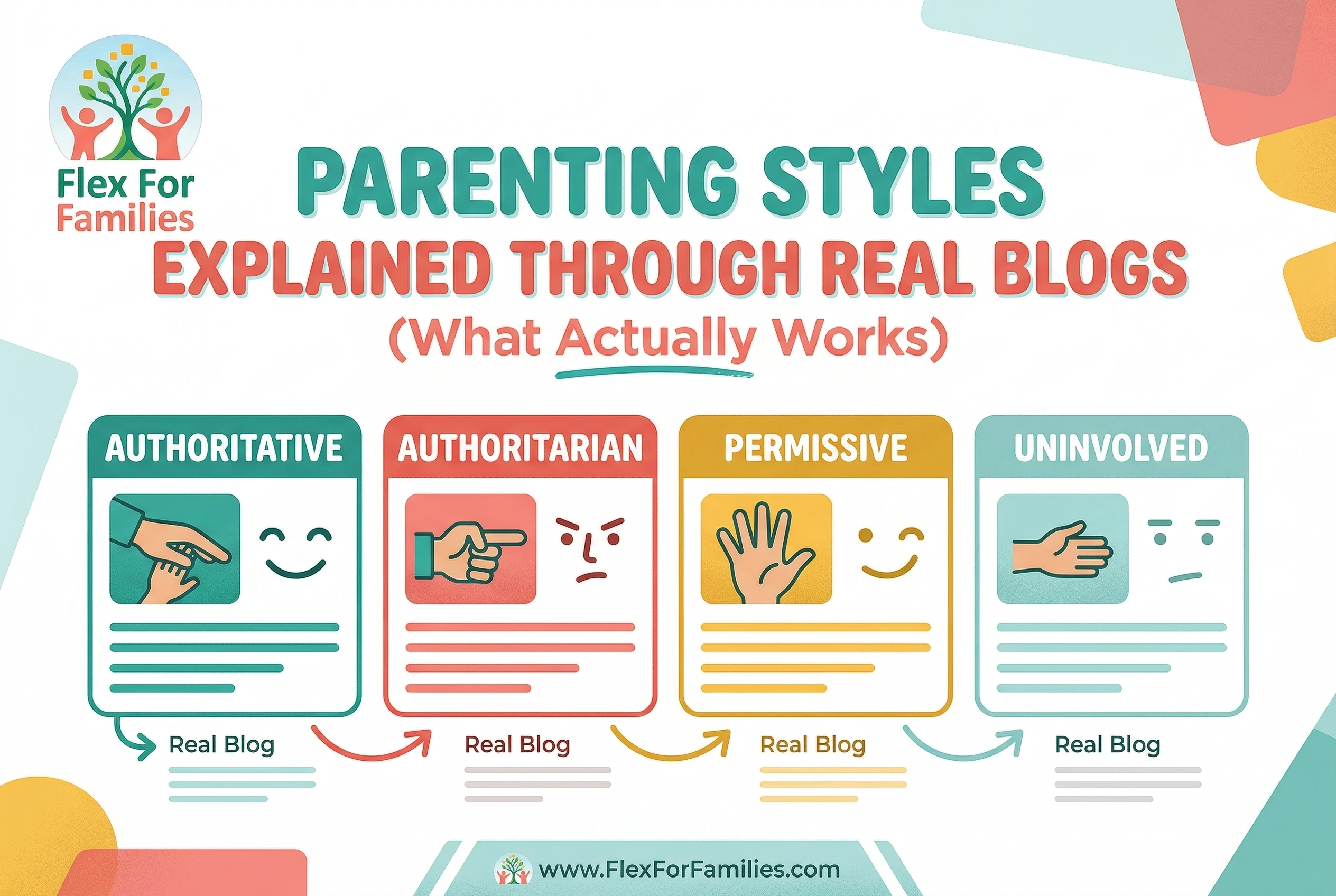
Parenting advice is everywhere.
Books. Podcasts. Social media. Everyone seems to have a different opinion on what the “right” approach looks like.
And for most parents, that can feel overwhelming.
- Should you follow strict routines?
- Be more relaxed and flexible?
- Focus on emotional connection?
Or just do whatever gets you through the day?
The truth is, there is no single parenting style that works for every family.
That is where blogs make a real difference.
Instead of theory, parenting blogs show what these styles actually look like in everyday life. School runs, bedtime routines, mealtimes, and everything in between. You see what works, what does not, and how parents adjust over time.
This post breaks down the most common parenting styles through real examples shared in blogs. Not to tell you what to do, but to help you understand what might work best for your family.
Because the goal is not perfect parenting.
It is building a way of doing things that fits your life.
What Are Parenting Styles (Simple Explanation)

Parenting styles are just different ways of raising your children.
They shape how you handle:
- Discipline
- Routines
- Communication
- Independence
- Emotional support
Most parenting advice falls into a few broad approaches.
Authoritative Parenting
This is often seen as a balanced approach. Clear boundaries, but with explanation and support. Parents guide rather than control.
Authoritarian Parenting
More rule-focused. Clear expectations and structure, but with less flexibility or discussion. This can work in some situations, but can feel rigid.
Permissive Parenting
More relaxed and child-led. Fewer rules, more freedom. This can build independence, but sometimes lacks structure.
Gentle Parenting
Focused on emotional connection, understanding behaviour, and guiding rather than correcting. Strong on communication and empathy.
Flexible or Blended Parenting
What most families actually do. A mix of approaches depending on the situation, the child, and the stage of life.
In reality, very few parents fit neatly into one category.
And that is where blogs become useful.
How Blogs Bring Parenting Styles to Life

Reading about parenting styles is one thing.
Seeing them in action is something else.
That is what parenting blogs do well.
They show how these approaches play out in real situations:
- How a parent handles a toddler meltdown
- How routines are built around school and work
- How boundaries are set without constant conflict
- How parents adjust when something is not working
You see the decision-making behind the scenes.
Not just what parents do, but why they do it.
For example:
A gentle parenting blog might show how a parent talks through emotions after a difficult moment.
A structured parenting blog might show how consistent routines reduce stress across the whole household.
A flexible parenting blog might show how adapting expectations makes life easier during busy seasons.
These real-life examples make it easier to:
- Understand different approaches
- See what fits your situation
- Avoid unrealistic expectations
They also highlight something important.
Parenting is not fixed.
What works with a toddler may not work with a teenager. What works during a quiet season may not work during a stressful one.
Blogs show that adjustment is normal.
And that flexibility is often the most useful parenting skill of all.
Common Parenting Styles You’ll See in Blogs
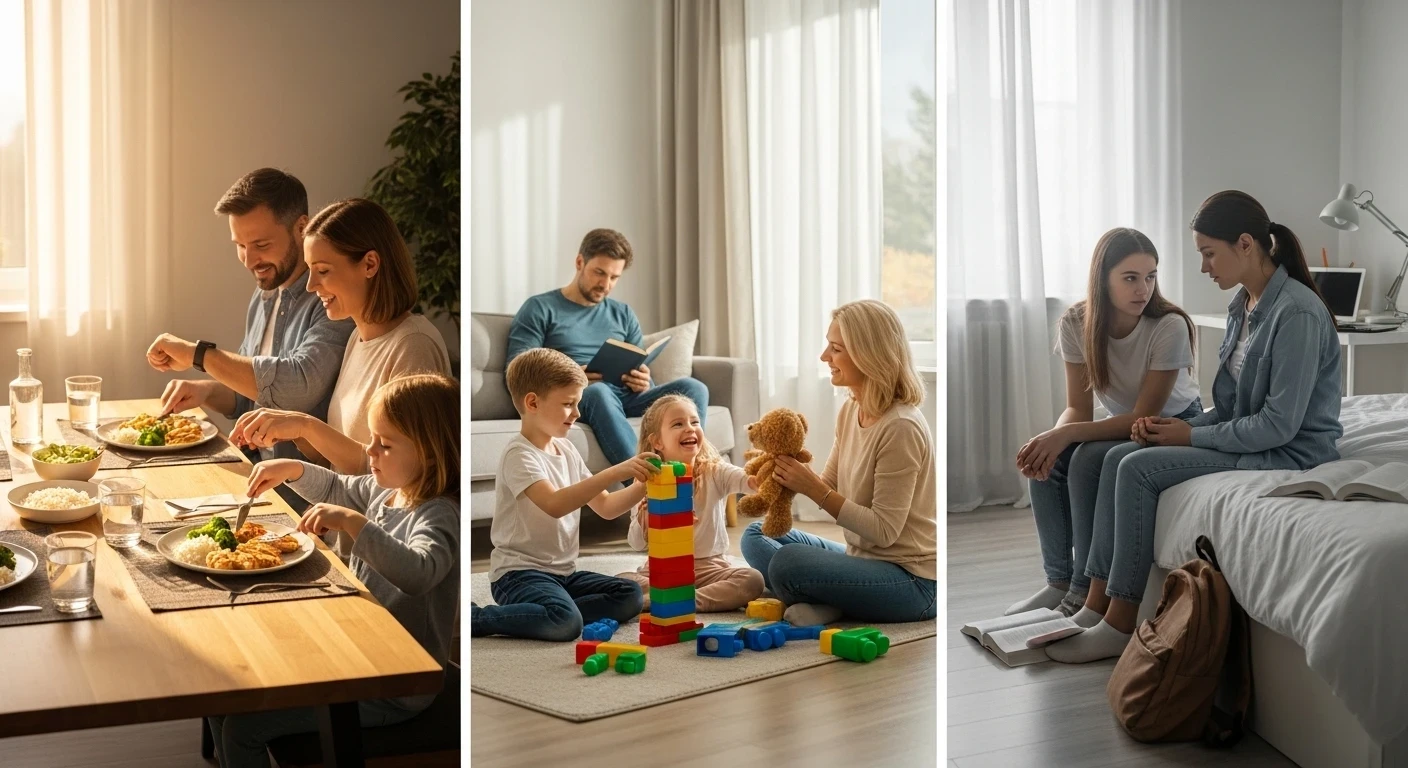
When you start reading parenting blogs, you will notice patterns.
Not strict labels. Real approaches that show up in daily routines, decisions, and conversations.
Here are some of the most common styles you will see.
Structured and Routine-Led Parenting
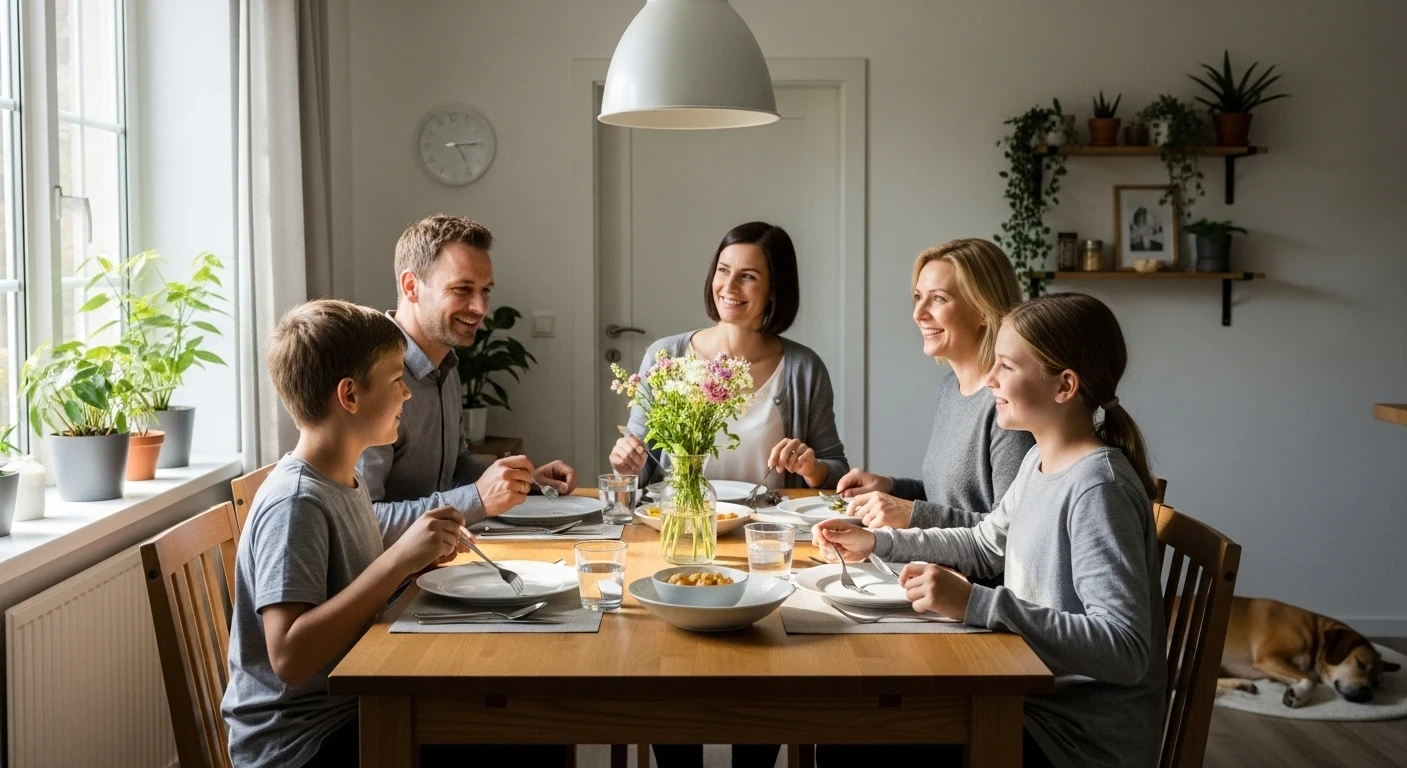
This approach focuses on consistency.
Clear routines. Set expectations. Predictable structure.
You will often see:
- Regular bedtimes and meal times
- Planned weekly schedules
- Clear boundaries around behaviour
- Systems to reduce daily stress
Why it works
It creates stability. Children know what to expect. Parents reduce decision fatigue.
Where it can be challenging
It can feel rigid during busy or unpredictable periods.
Flexible and Child-Led Parenting
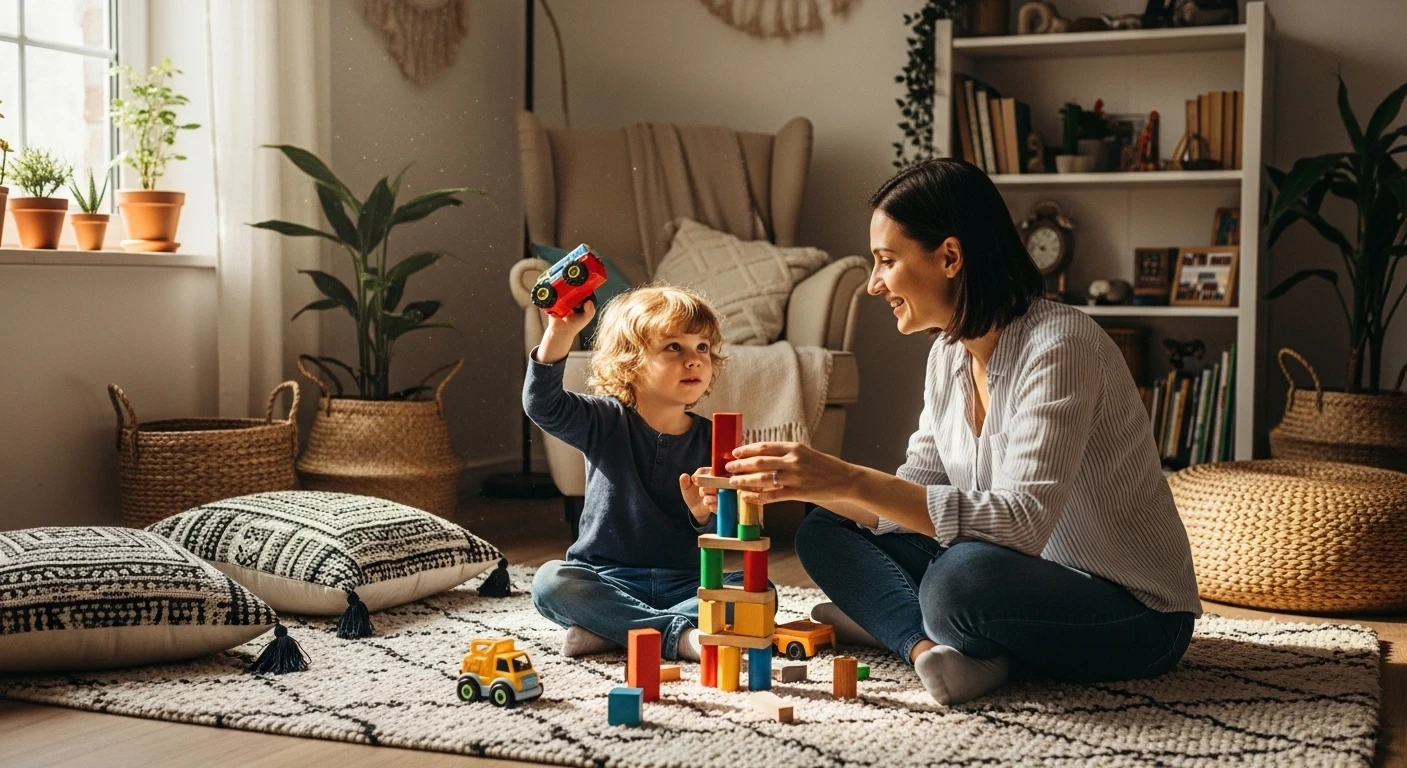
This style adapts around the child and the situation.
Less focus on strict routines. More focus on flow.
You will often see:
- Flexible bedtimes
- Adapting plans based on energy or mood
- Allowing more independence in decisions
- Adjusting expectations during busy periods
Why it works
It reduces pressure. It allows families to adapt when life changes.
Where it can be challenging
Without some structure, things can feel chaotic at times.
Gentle and Emotion-Focused Parenting

This approach centres around emotional awareness and communication.
Parents aim to guide behaviour rather than control it.
You will often see:
- Talking through emotions after difficult moments
- Validating feelings before correcting behaviour
- Focusing on connection over punishment
- Calm responses instead of reactive discipline
Why it works
It builds strong relationships and emotional understanding.
Where it can be challenging
It can take more time and patience, especially during stressful days.
Practical or “Do What Works” Parenting
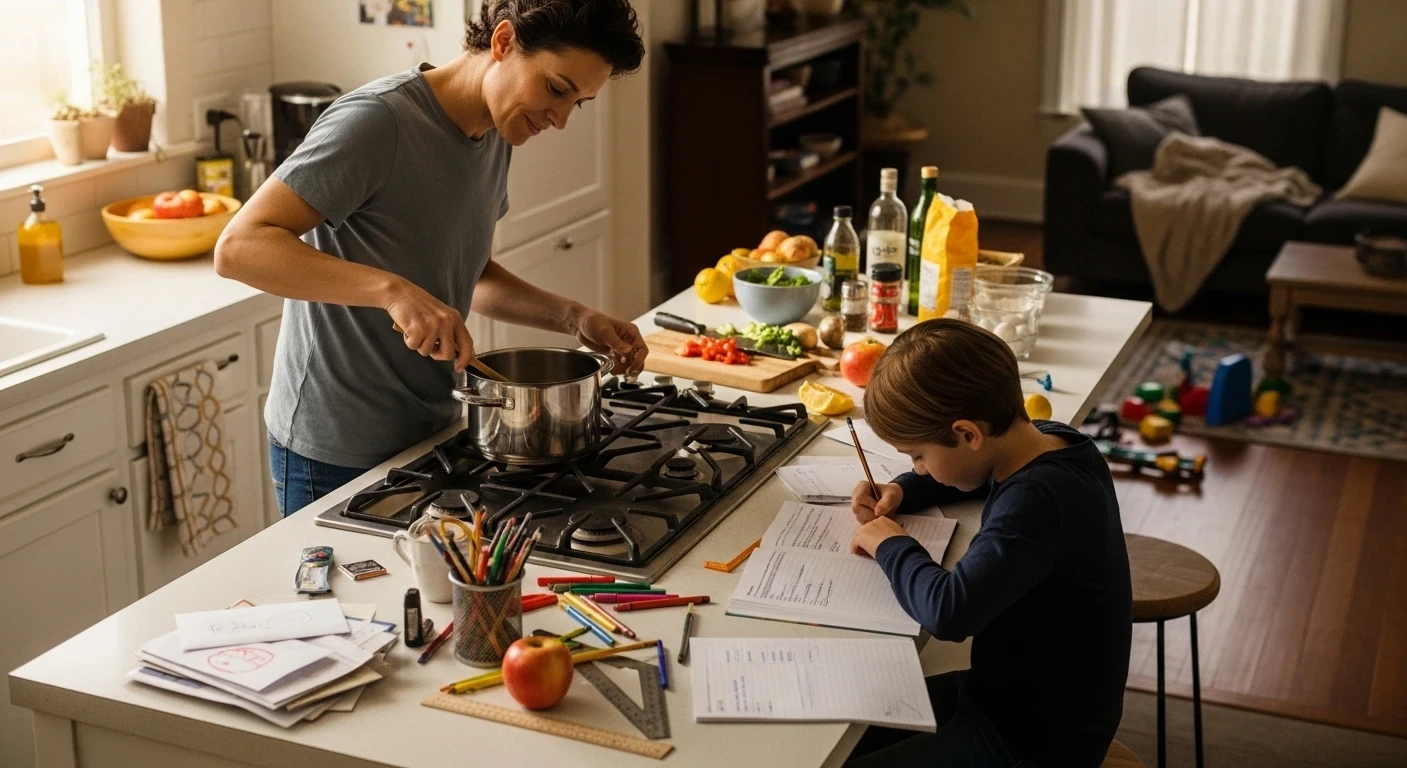
This is what many parents naturally fall into.
Less about following a method. More about solving problems.
You will often see:
- Quick routines that fit busy schedules
- Simple systems that reduce stress
- Adapting based on what actually works
- Mixing approaches depending on the situation
Why it works
It is realistic. It fits around real life, not ideal scenarios.
Where it can be challenging
It can feel inconsistent without a clear framework.
What Most Parents Actually Do
Most families do not follow one style.
They combine elements.
- Structured mornings.
- Flexible weekends.
- Gentle conversations.
- Practical shortcuts when needed.
That blend is what makes parenting sustainable.
Why No One Parenting Style Works for Every Family

It is easy to look for the “right” way to parent.
- A method to follow.
- A system to stick to.
- A set of rules that guarantees things will work.
But real life does not work like that.
Every family is different.
- Different schedules.
- Different personalities.
- Different pressures.
- Different stages of life.
What works well for one family might not fit another at all.
Parenting Changes as Life Changes
What works today might not work in six months.
- A routine that fits a toddler may not suit a teenager.
- A calm season may allow more structure.
- A busy or stressful period may require more flexibility.
Parenting is not fixed.
It evolves.
The most helpful blogs reflect this. They show parents adjusting, not sticking rigidly to one approach.
Children Are Different Too
Even within the same family, children respond differently.
- One child may thrive with structure.
- Another may need more flexibility.
The same approach will not always get the same result.
That is why copying a single parenting style rarely works long-term.
Real Families Mix Approaches
Most parents do not follow one style.
They combine what works.
- Structure where it helps
- Flexibility where it is needed
- Emotional support during difficult moments
- Practical shortcuts on busy days
This is not an inconsistency.
It is an adaptation.
The Goal Is Not Perfection
The goal is not to get everything right.
It is to create a way of parenting that:
- Supports your children
- Reduces stress at home
- Fits around your real life
- Feels sustainable over time
That often means letting go of the idea that there is one “correct” approach.
What Blogs Show Clearly
Parenting blogs are valuable because they show this in action.
They show:
- Adjustments being made
- Routines changing
- Mistakes happening
- Improvements over time
That is what makes them relatable.
And that is what helps parents move forward with more confidence.
How to Find a Parenting Style That Fits Your Family

By now, it should be clear.
There is no single parenting style that works for everyone.
So the goal is not to choose a label.
It is to build an approach that fits your family.
Start With What Your Family Actually Needs
Instead of looking outward first, look inward.
Ask yourself:
- Where do our days feel most stressful?
- What parts of our routine work well?
- Where do we struggle most as a family?
These answers point you in the right direction.
- If mornings are chaotic, you may need more structure.
- If evenings feel tense, you may need more calm communication.
Focus on solving real problems first.
Take Ideas, Not Rules
Parenting blogs are full of ideas.
But they are not instructions.
You do not need to copy everything you see.
Instead:
- Take what feels useful
- Test it in your own routine
- Adjust based on what actually works
Think of it as building your own system.
Make Small Changes First
Trying to change everything at once rarely works.
Start with one area:
- Bedtime routine
- Morning structure
- Screen time boundaries
- Communication during difficult moments
Make one small improvement.
Then build from there.
Pay Attention to What Works
Not what should work.
What actually works.
If something reduces stress, keeps things moving, and feels manageable, keep it.
If it creates more pressure, adjust or drop it.
This is where many parents get stuck. They try to follow advice instead of observing results.
Give It Time
Not everything works straight away.
- Children need time to adjust.
- Routines take time to settle.
Give changes a fair chance before deciding if they work.
Keep It Flexible
Your approach will change over time.
- New routines.
- New challenges.
- Different stages of life.
That is normal.
Flexibility is not a weakness.
It is what makes parenting sustainable.
One Simple Way to Think About It
You are not choosing a parenting style.
You are building a system that:
- Supports your children
- Fits your life
- Adapts over time
That is what works long term.
Why Many Parents Start Sharing Their Own Journey
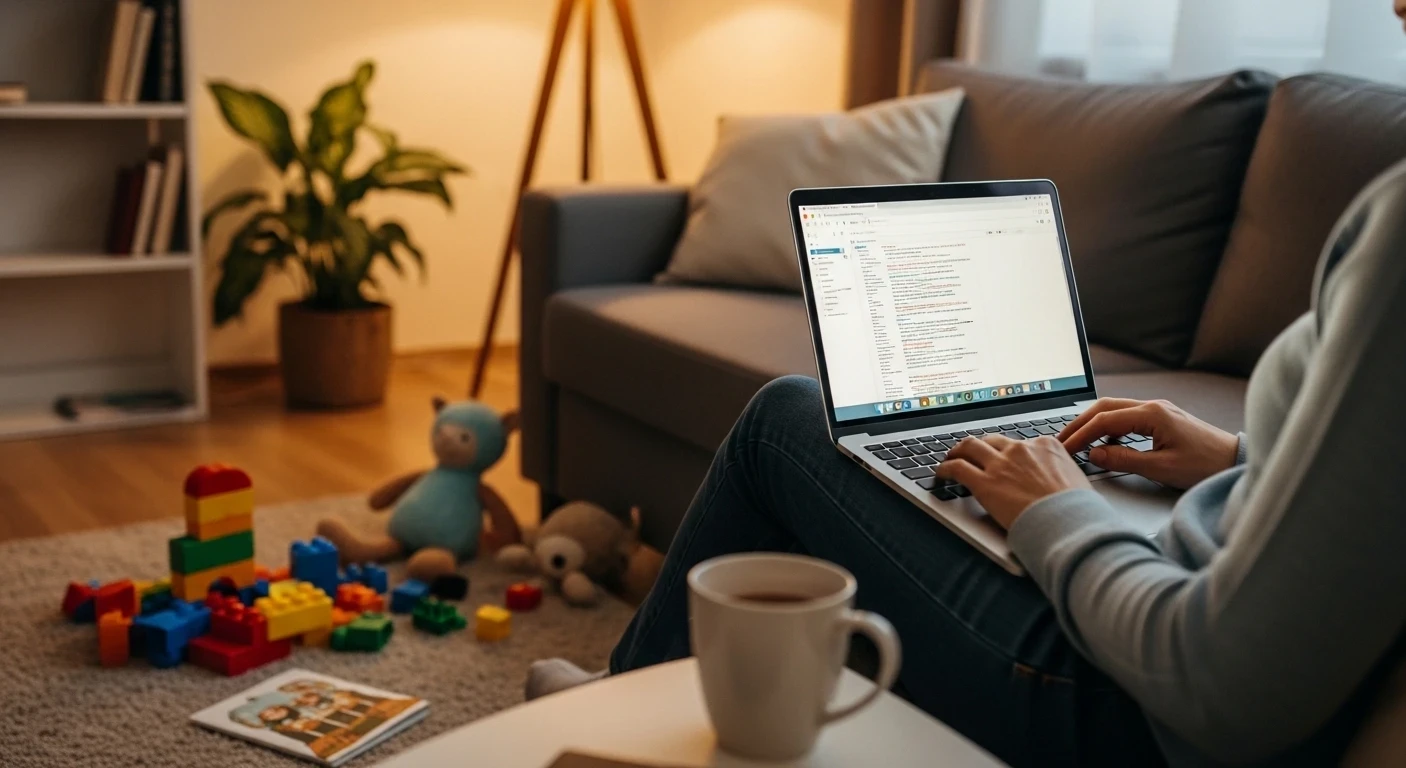
After reading different parenting blogs, many parents notice something.
They start recognising their own experience in what they are reading.
- The routines.
- The challenges.
- The small wins.
And often, a thought follows.
“I could share this too.”
It Starts as Reflection
For many parents, blogging begins as a way to think more clearly.
Writing things down helps you:
- Process what is working
- Understand what is not
- Recognise patterns in your family life
It is not about having all the answers.
It is about making sense of your own experience.
It Builds Connection
Once you start sharing, something shifts.
Other parents relate.
- They leave comments.
- They share similar situations.
- They offer ideas you had not considered.
That connection matters.
It turns something personal into something shared.
It Helps Other Parents
The things you take for granted may help someone else.
- A simple routine.
- A small mindset shift.
- A way of handling a difficult moment.
These are the kinds of insights parents search for every day.
Your experience has value.
It Can Grow Into Something More
For some parents, blogging remains a personal outlet.
For others, it becomes something bigger.
- A platform.
- A resource.
- A long-term asset.
Over time, some blogs begin to generate income through:
- Affiliate links
- Helpful recommendations
- Simple digital resources
Not overnight.
But steadily.
It Still Fits Around Family Life
The biggest advantage is flexibility.
You can:
- Write in small pockets of time
- Build at your own pace
- Step back when life gets busy
- Pick it back up when you are ready
That makes it sustainable.
A Simple Thought to Leave You With
You do not need to be an expert to start.
You just need to be one step ahead of someone else.
And willing to share what you have learned
Frequently Asked Questions About Parenting Styles
What is the most effective parenting style?
There is no single “best” parenting style. What works depends on your child, your routine, and your family situation. Many parents use a mix of approaches, combining structure, flexibility, and emotional support.
Can parenting styles change over time?
Yes. Parenting styles naturally evolve as children grow and family circumstances change. What works for a toddler may not work for a teenager, so flexibility is important.
Is it okay to mix different parenting styles?
Yes. Most families do this. You might use structured routines for mornings, a more flexible approach on weekends, and a gentle approach when handling emotions. Mixing styles helps you adapt to real-life situations.
How do I know if my parenting approach is working?
Look at outcomes in your daily life. Are routines manageable? Is stress reduced? Are your children responding well? If something improves family life, it is likely working. If not, adjust and try a different approach.
Do parenting blogs give reliable advice?
Parenting blogs share real-life experience, which can be very helpful. However, they are not one-size-fits-all solutions. The best approach is to take ideas and adapt them to fit your own family.
Should I follow one parenting style strictly?
No. Strictly following one style can create pressure. Most parents benefit from adapting their approach based on their child’s needs and their own circumstances.
Finding What Works for Your Family

Parenting styles are helpful as a guide.
But they are not a rulebook.
What matters most is not the label you choose. It is how your approach works in real life.
- Does it reduce stress?
- Does it support your child?
- Does it fit your day-to-day routine?
That is what counts.
Most families find their rhythm by combining ideas.
- A bit of structure where it helps.
- Flexibility when life gets busy.
- Calm communication when emotions run high.
That balance is what makes parenting sustainable.
A Simple Next Step
If reading different parenting blogs has given you ideas, you might also be thinking about sharing your own experience.
Many parents start that way.
- Not as experts.
- Not with perfect systems.
- Just by sharing what they are learning as they go.
Over time, that can grow into:
- A helpful resource for other parents
- A supportive community
- A platform that builds steady traffic
- Even a flexible income stream
If you want to see how that works step by step, you can read my full breakdown here:
It walks through how to start a blog, build content, and grow it in a way that fits around family life.
Let’s Chat
What parenting approach feels closest to how your family works right now?
Have you found yourself leaning more toward structure, flexibility, or a mix of both?
I would love to hear what is working for you, or what you are still trying to figure out.
And if reading parenting blogs has ever made you think about starting your own, let me know.
Sometimes sharing your experience is the first step toward helping someone else.



This post is such a refreshing perspective on parenting! I love how it emphasizes that there’s no single “right” way to parent, and that flexibility is often more valuable than rigidly sticking to one style. The breakdown of different approaches, structured, flexible, gentle, and practical makes it so relatable, especially when paired with real life examples. I also appreciate the focus on observation over theory, paying attention to what actually works in your family rather than chasing perfection. It’s encouraging to see that adapting routines, blending approaches, and adjusting as children grow is normal, not a failure. The idea of using blogs to learn from others’ experiences while finding your own rhythm is practical and empowering. This reminds parents that small, thoughtful adjustments over time can build a sustainable and supportive environment for both children and themselves.
Hi Andrejs,
Thank you so much for this, I really appreciate how thoughtfully you’ve reflected on it.
You’ve picked up on the core message perfectly. There isn’t a single “right” way to parent, and trying to force one approach often creates more pressure than progress. Real life is far more fluid than that.
I’m especially glad the idea of observation over theory resonated. Paying attention to what actually works in your own home, with your child, in your current season, is far more valuable than trying to follow a fixed method from a book or blog.
That blend of structured, flexible, gentle, and practical approaches is what most parents naturally move toward over time. It’s not inconsistency, it’s adaptation. And like you said, those small adjustments add up to something sustainable.
I also love your point about using blogs as a way to learn from others while still finding your own rhythm. That balance is where the real confidence comes from.
Thanks again for such a thoughtful comment. It adds a lot of encouragement for other parents reading through.
All the best,
John