
You’ve started your blog, maybe even grown a little bit of traffic… and now comes the big question: can this really make money?
For many parents, monetisation feels like a mysterious “next level” — something only tech experts or influencers can do. But the truth is, monetising your blog doesn’t have to be complicated. It’s about taking small, simple steps that fit into your family life.
And here’s the best part: you don’t need a massive audience to get started. With the right approach, even a handful of readers can turn into real opportunities.
In this guide, we’ll walk through the basics of blog monetisation, beginner-friendly methods that work for parents, and a peek at advanced options you can grow into later — without the overwhelm.
👉 This post is part of our Parent Blogging Series — your step-by-step guide to building a blog that fits your family life.
🌟 Parent Blogging Series
This post is part of our Parent Blogging Series — simple steps to help moms and dads build a blog that fits family life.
1️⃣ Find Your Parent Niche → Start here by choosing a topic that feels authentic and has income potential.
2️⃣ Growing Traffic → Learn simple ways to bring readers to your blog
3️⃣ Monetisation Made Simple → Discover family-friendly ways to earn income from your blog – Your Here
4️⃣ Tools and Resources → Explore the best tools to make blogging easier for busy parents.
👉 Want the full roadmap in one place? Visit the Parent Blogging Hub
What Monetisation Really Means
Let’s keep this simple: blog monetisation just means finding ways to earn income from your blog. It’s not about “getting rich quick” — it’s about creating an income stream that works on your terms.
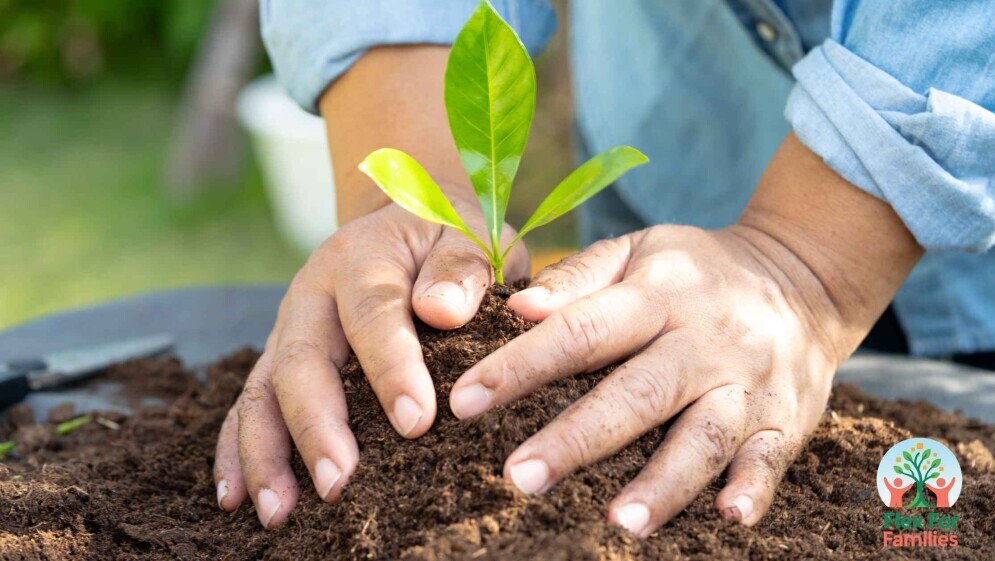
Think of your blog like a garden. Growing traffic is the sunlight and water, while monetisation is the fruit that grows when the conditions are right. It takes time and care, but eventually, those little efforts add up to something nourishing.
In fact, Wikipedia defines online advertising as one of the most common forms of blog monetisation — but advertising is just one piece of the puzzle. As a parent blogger, you have more options than you might think.
Why Monetisation Appeals to Parents
For most parents, blogging isn’t just about sharing stories — it’s about creating something meaningful that fits around family life. Monetisation is appealing because it offers more than just money.
Flexibility
Traditional jobs can feel rigid, but blogging income bends around your family schedule. You can work during nap time, school hours, or late evenings — whenever it suits you.
Family-First Priorities
Even small amounts of income can make a difference. Extra money for a family holiday, saving for school trips, or covering weekly groceries all add up. Monetisation turns your blog into something that supports your family in practical ways.
Community Impact
When you share solutions and experiences, you’re not only helping other parents — you’re also opening doors for brands or products that genuinely add value. That’s income earned by making someone else’s life easier.
👉 That’s why monetisation is such a powerful tool for parents. It’s not about chasing a huge paycheck – it’s about building flexibility, balance, and freedom on your own terms.
Beginner-Friendly Monetisation Methods
When it comes to earning from your blog, start small and keep it simple. You don’t need a massive audience or years of experience — just a clear plan and a willingness to test what works for you. Here are the most parent-friendly ways to begin:
Display Ads
Display ads are the simplest way to monetise once you’ve got a steady flow of readers. Think of them like putting up posters in your home — they quietly sit in the background and can earn a little income each time someone visits or clicks.
- Pro: Completely passive once set up.
- Con: Earnings are small until traffic grows.
- Example: Google AdSense is a common starting point.
Affiliate Marketing
Affiliate marketing is recommending products you genuinely use and love, and earning a commission when someone buys through your link.
It’s like telling a friend about your favourite stroller — but instead of just a thank-you, you also get a little reward. The key is being honest and choosing products that fit your niche.
👉 Curious about the bigger picture? Wikipedia explains affiliate marketing as a way businesses reward people for driving sales. For parents, it’s simply sharing what already works in daily life.
Digital Products (Printables, Checklists, eBooks)

Creating a small digital product can be a game-changer. Parents love practical resources like meal planners, bedtime routine charts, or budgeting tools. Once you create them, they can sell over and over again.
- Pro: Low cost to start, fits parents’ needs perfectly.
- Con: Takes time upfront to create.
Sponsored Content (Beginner Level)
Brands sometimes pay bloggers to write posts, reviews, or social mentions. You don’t need to be “big” to get started — you just need a focused niche and an authentic voice.
- Pro: Direct payment opportunities.
- Con: Needs to stay genuine, or readers may lose trust.
👉 Start with one or two of these methods. You don’t need to do them all at once. Pick the option that feels natural and exciting — and fits into your family life.
“For Later” — Advanced Options to Grow Into
Once you’ve built a solid foundation with beginner methods, you may feel ready to explore more advanced monetisation strategies. These aren’t for day one, but it’s helpful to know what’s possible down the road.
Online Courses or Workshops
If parents are already coming to you for advice, packaging your knowledge into a simple course or workshop can be powerful. Imagine turning your best tips on meal planning, toddler routines, or budgeting into a structured guide parents can follow step by step.
Membership Communities
Some bloggers create private groups or memberships where parents pay for access to exclusive content, support, or resources. It’s like having a parent group chat — but with extra depth and ongoing guidance.
Services (Coaching or Freelance Work)
Your blog can also act as a portfolio. If you enjoy writing, design, or coaching, you can offer services directly to your readers or brands.
👉 The key here? Don’t feel pressured to do any of this right away. These options are “for later” — something to grow into once you’ve found your rhythm and audience.
Common Monetisation Mistakes Parents Make
Monetisation is exciting, but it’s also easy to trip over a few common mistakes. Here’s what to watch out for — and how to avoid them:
Expecting Instant Income
Blogging isn’t a “get rich quick” path. It’s more like planting a garden — the seeds you plant today may take months to bear fruit. Patience pays off.
Promoting Products You Don’t Believe In
It’s tempting to say yes to every affiliate or sponsorship opportunity, but parents can spot inauthenticity a mile away. Stick to products you truly use or trust.
Trying Every Method at Once
Running ads, writing sponsored posts, launching an eBook, and signing up for 20 affiliate programs — all at once — will just overwhelm you. Focus on one or two methods that fit into your life.
Forgetting About the Reader
Monetisation works best when your content helps parents solve real problems. If the blog becomes all about making money, you’ll lose connection with your community.
👉 The fix? Start simple. Keep it authentic. And always put your reader — the parent on the other side of the screen — first.
FAQ: Monetisation for Parent Bloggers
“How soon can I monetise?”
As soon as you have content and a little traffic, you can start experimenting. Affiliate links or small digital products work even with a tiny audience. Ads and sponsorships usually come later, once your blog grows.
“Do I need a big audience first?”
Not necessarily. What matters more is having an engaged audience — parents who trust your advice. A small but loyal community can be more valuable than thousands of random clicks.
“Can I combine methods?”
Absolutely. Most bloggers use 2–3 income streams together. For example: a blog with ads, affiliate links, and a simple printable shop.
“Is monetisation safe?”
Yes. As long as you’re transparent (always disclose affiliate links and sponsored posts), monetisation is a standard, ethical practice in blogging. According to Wikipedia’s Affiliate Marketing entry, this model has been around for decades — and it works when it’s done with honesty.
“What’s the best method to start with?”
It depends on your niche and comfort level. If you enjoy recommending products, affiliate marketing is a natural start. If you’re creative, try printables. Choose the path that feels authentic.
Next Steps: Monetise on Your Terms
Monetising your blog doesn’t need to feel overwhelming. It’s not about chasing every income stream at once — it’s about choosing one or two methods that fit your life and starting small. Over time, those little steps can grow into something powerful.
If you’d like to see how monetisation fits into the bigger journey of building a parent-powered blog, head over to the Parent Hub. It’s where we bring everything together — from choosing your niche to growing traffic, monetising, and using the right tools to make it all work around family life.
👉 And don’t forget — this post is part of our Parent Blogging Series. Scroll down for the full roadmap so you can explore the other steps and keep moving forward.
🌟 Parent Blogging Series
This post is part of our Parent Blogging Series — simple steps to help moms and dads build a blog that fits family life.
1️⃣ Find Your Parent Niche → Start here by choosing a topic that feels authentic and has income potential.
2️⃣ Growing Traffic → Learn simple ways to bring readers to your blog
3️⃣ Monetisation Made Simple → Discover family-friendly ways to earn income from your blog – Your Here
4️⃣ Tools and Resources → Explore the best tools to make blogging easier for busy parents.
👉 Want the full roadmap in one place? Visit the Parent Blogging Hub
💬 Let’s Chat!
Which monetisation method feels most doable for you right now? Ads, affiliates, or maybe a simple digital product? Drop your thoughts in the comments – your idea might spark inspiration for another parent blogger in our community.