
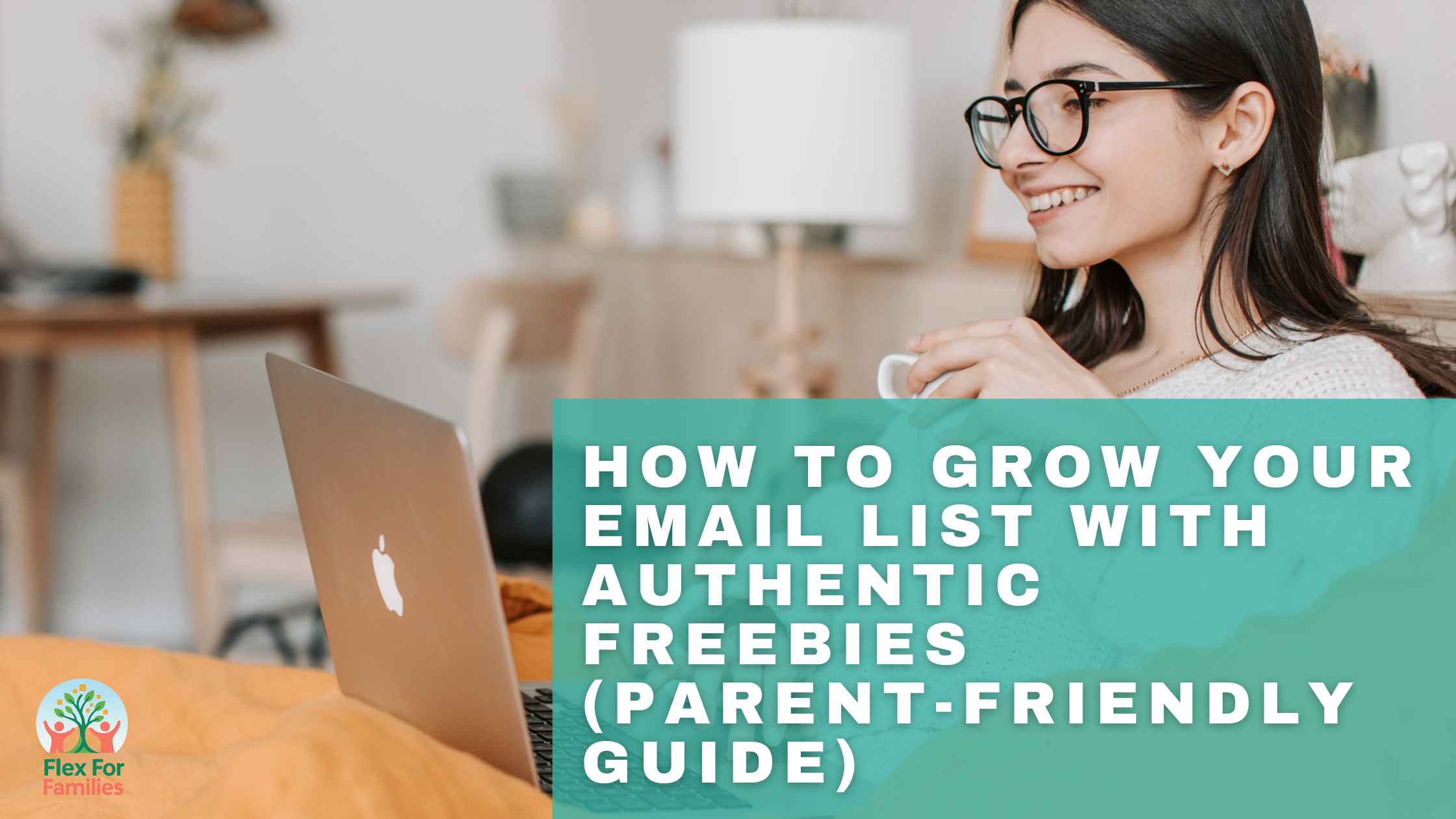
Growing an email list as a parent blogger can feel awkward at first. You do not want to sound salesy. You do not want to pressure other parents. And you definitely do not want to add more noise to already busy inboxes.
I felt the same way when I started. I did not grow my list by tricks or pop-ups everywhere. I grew it by helping parents solve one real problem at a time. That shift changed everything.
An email list is not about numbers. It is about connection. When a parent trusts you enough to invite you into their inbox, that is huge. It means your content helped them feel seen, supported, or less overwhelmed.
That is why authentic freebies work so well for parent bloggers. They feel like help, not marketing. And when done right, they grow your list naturally without pressure or guilt.
Why Parents Actually Join Email Lists
Parents do not join email lists because of clever copy or fancy graphics. They join because they need help with something right now.
Most parents are short on time and mental space. If your freebie clearly solves one problem they are dealing with, signing up feels easy. It feels useful. It feels worth it.
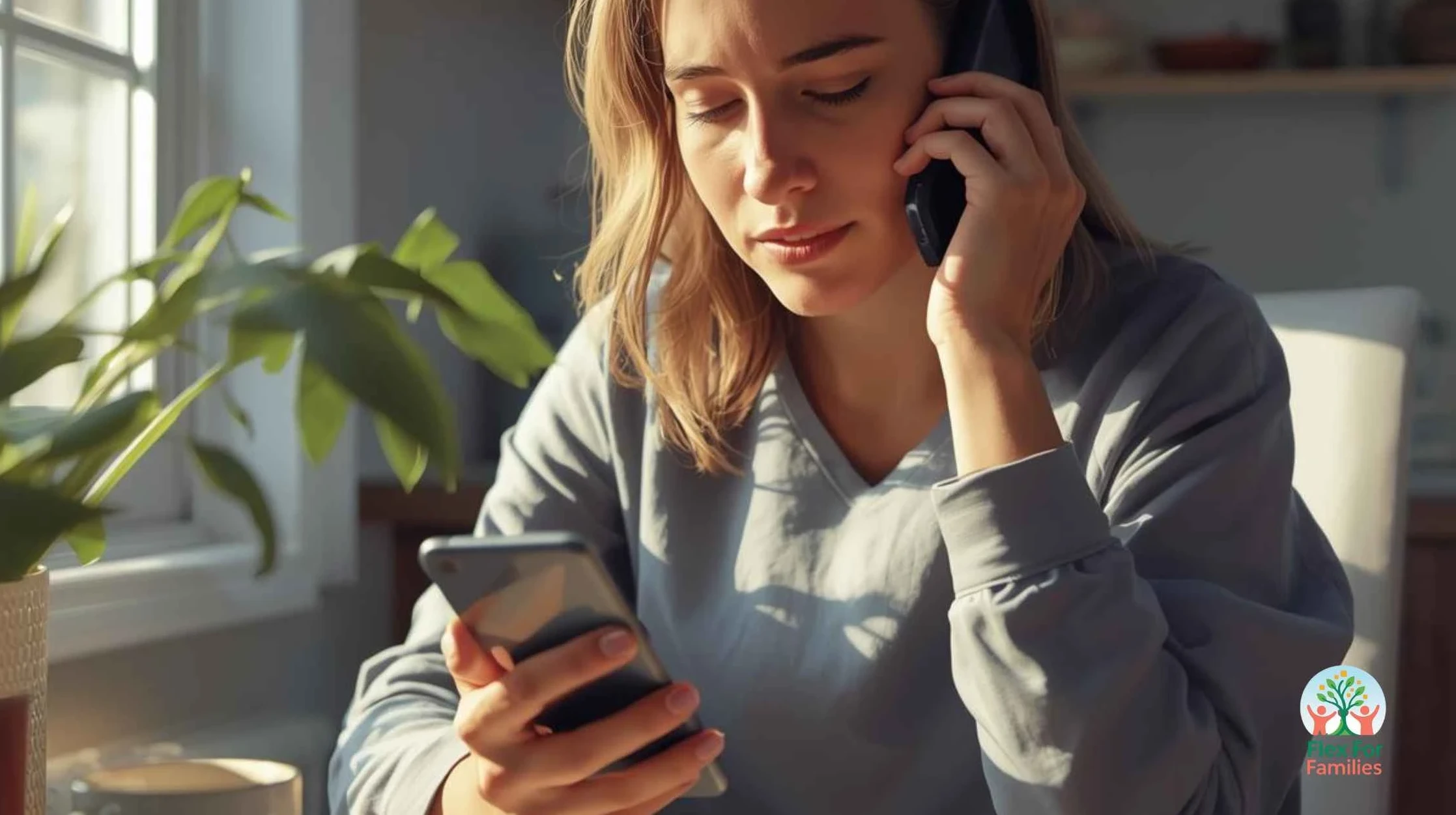
Here is what usually motivates a parent to join an email list:
- They want clarity, not more information
- They want simple steps they can use today
- They want reassurance they are not doing this wrong
- They want guidance from someone who understands family life
Parents are not looking for perfection. They are looking for progress that fits into real routines. That is why trust matters more than tactics.
When your blog already helps them, the freebie feels like a natural next step. It is not about getting something for free. It is about continuing a conversation that already feels supportive.
If your content makes a parent think, this person gets it, and your email list will grow.
What Makes a Freebie Feel Authentic
An authentic freebie feels like something you would happily give away even if email lists did not exist.
It does not try to impress. It tries to help.
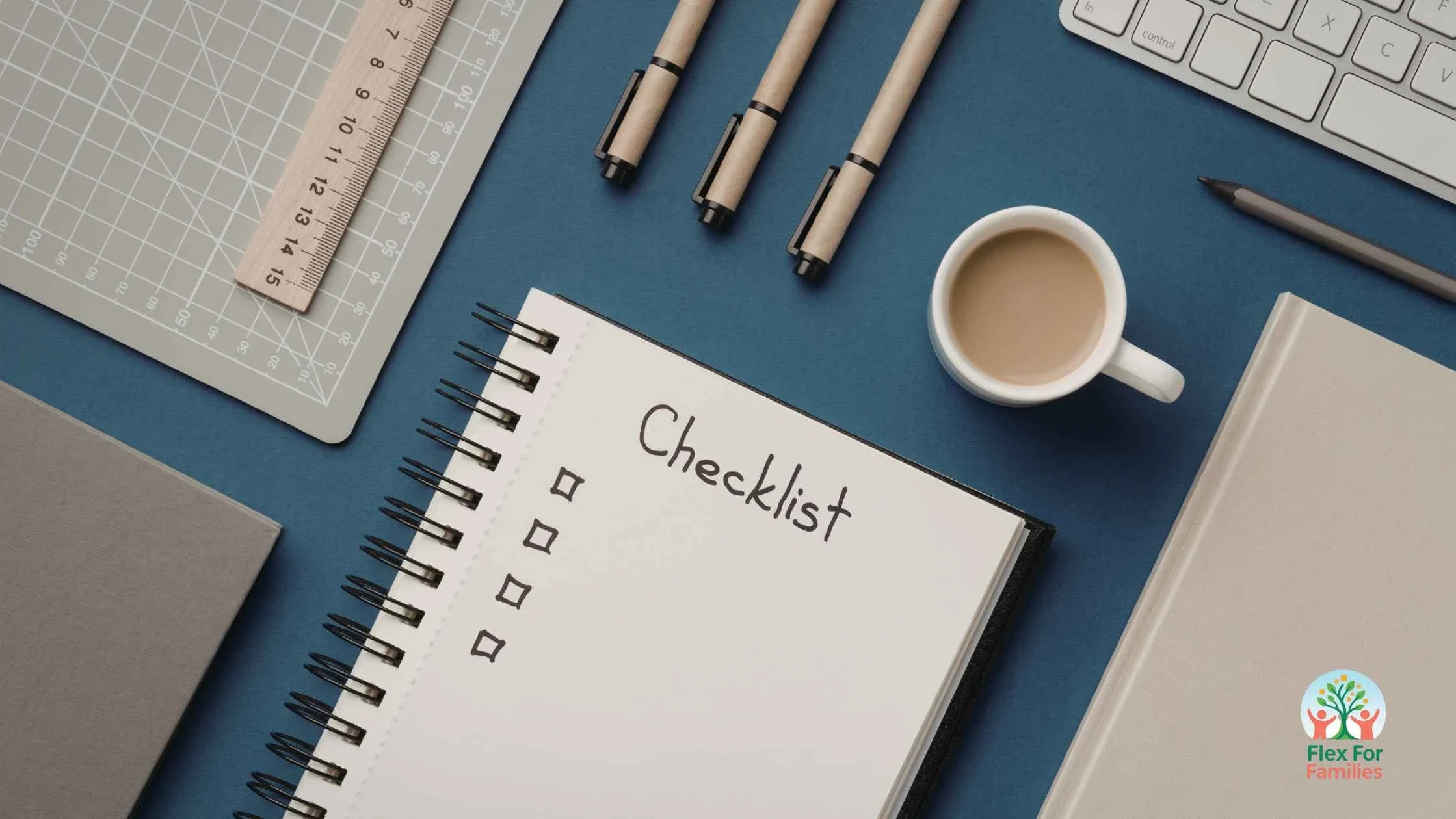
For parent bloggers, the most effective freebies usually share a few key traits:
- They solve one clear problem
- They can be used in under 15 minutes
- They fit into nap time or quiet pockets
- They remove confusion or decision fatigue
- They feel realistic, not overwhelming
Authentic freebies are specific. Instead of teaching everything about blogging, they help with one step. One task. One sticking point.
They also reflect real life. Parents can tell when something was created from experience rather than theory. A simple checklist you actually use will outperform a polished guide that looks good but never gets finished.
The goal is not to show how much you know. The goal is to make someone’s day a little easier.
When your freebie feels like a helping hand instead of a funnel step, parents sign up willingly. And they stay.
Types of Freebies That Work Best for Parent Bloggers
Not all freebies work equally well for parents. The ones that convert best usually respect time, energy, and real family routines.
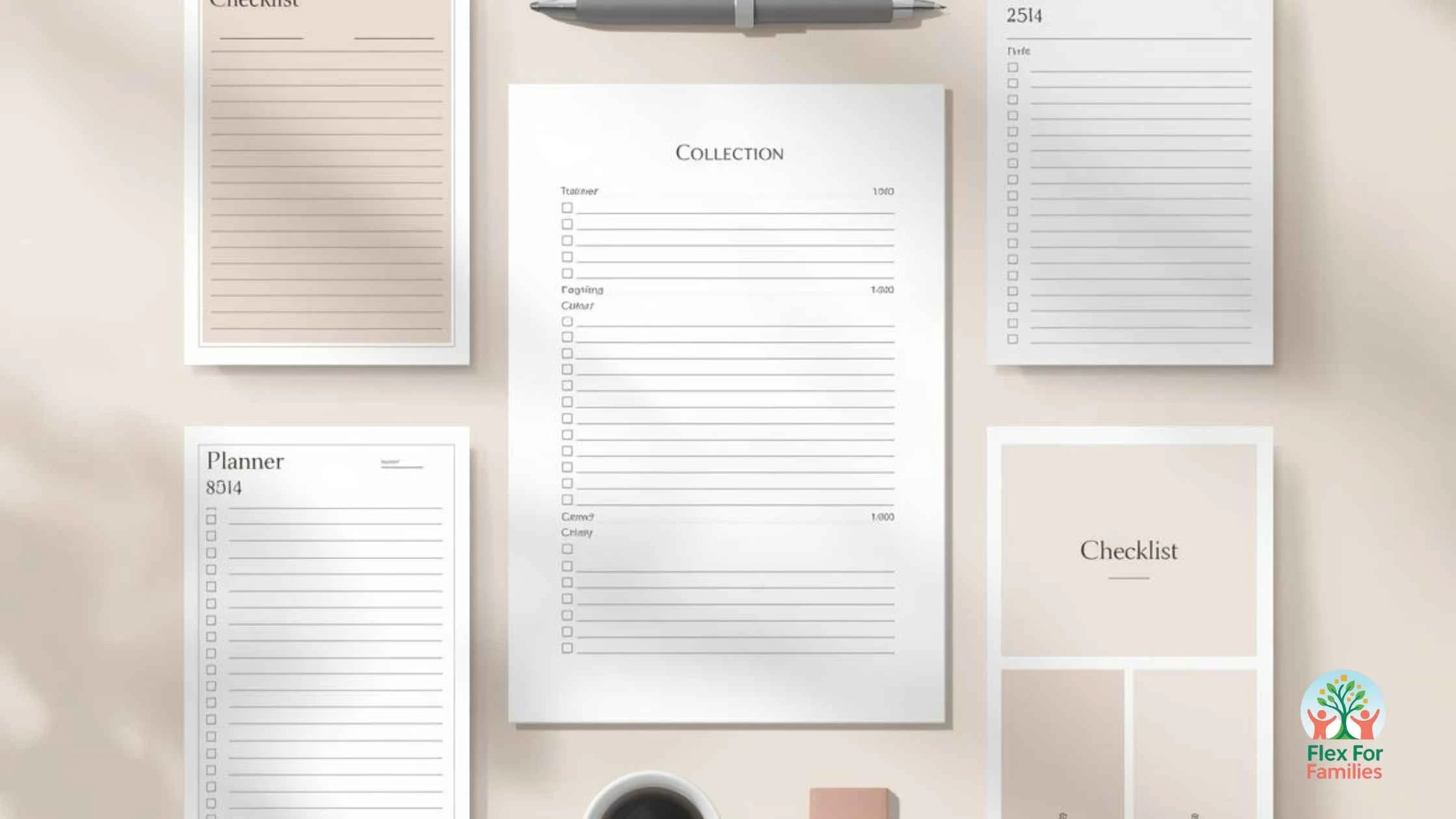
From my experience, these formats consistently work well for parent bloggers:
Checklists
Short, clear checklists are perfect for busy parents. They reduce decision fatigue and give an instant sense of progress. A checklist that can be completed in 10 to 15 minutes fits naturally into nap time or a quiet evening.
Simple planners or schedules
Parents love structure, as long as it is flexible. Weekly plans, content outlines, or short-term schedules feel helpful without being restrictive. The key is keeping them realistic and easy to adjust.
Starter guides with one focus
Instead of “everything you need to know,” focus on one starting point. A beginner’s guide that answers one question builds confidence and avoids overwhelm.
Templates parents can reuse
Templates save mental energy. Whether it is a content outline, post structure, or planning sheet, reusable tools feel valuable because they keep helping long after download day.
One problem, one solution PDFs
The strongest freebies usually fix one specific pain point. When a parent thinks, “Yes, that’s exactly what I need,” the decision to sign up becomes easy.
What all of these have in common is simplicity. They do not demand hours of attention. They fit into real life. And they feel like something created by a parent, for parents.
When you design freebies with this mindset, you are not trying to grow an email list. You are trying to help someone move forward. The list growth follows naturally.
How to Match a Freebie to the Right Blog Post
One of the biggest mistakes I see parent bloggers make is offering the same freebie on every post, no matter the topic. It usually comes from a good place. You want to give people options. But for busy parents, too many choices can stop them from taking any action at all.
The most effective approach is simple. One blog post, one clear next step.
A good freebie should feel like a natural extension of what the reader has just finished. If your post helped them understand something, the freebie should help them apply it. If your post reduced confusion, the freebie should turn that clarity into action.

Here’s how I think about matching freebies to posts:
Educational posts work well with checklists
If a post explains a process or concept, a checklist helps parents put it into practice quickly.
Planning posts pair well with simple planners
When you talk about routines, schedules, or systems, a printable plan or template makes sense as the next step.
Beginner posts need confidence-building guides
Introductory content should lead to a freebie that reassures and simplifies, not one that adds more complexity.
Problem-focused posts need one-solution tools
If a post addresses a specific struggle, the freebie should solve that exact issue, not introduce something new.
The goal is not to give readers everything at once. It is to help them take one small step forward while the topic is still fresh in their mind.
When a freebie matches the post, it feels helpful instead of promotional. Parents do not feel sold to. They feel supported. And that is when email sign-ups happen naturally.
Matching your freebie to your content also makes your blog feel more intentional. Each post becomes part of a bigger journey rather than a collection of random ideas.
Where to Place Freebies Without Breaking Trust
Where you place your freebie matters just as much as what the freebie is. Parents are very quick to sense when something feels pushy or interruptive, especially when they are already short on time.

The goal is to offer help at moments when it feels useful, not disruptive.
Here are the placements that work best without breaking trust:
Mid-post, after you have delivered value
This is often the strongest spot. By this point, the reader feels understood and supported. A freebie here feels like a natural next step, not a sales pitch.
End of the post, once the full value is clear
If a parent has read your entire post, they are engaged. Offering a freebie at the end feels like a continuation of the conversation rather than an interruption.
Resource or hub pages
Dedicated resource pages work well for parents who are actively looking for tools and support. They are in a choosing mindset rather than a reading mindset.
Contextual mentions within the content
A simple text link can be powerful when it fits naturally into the sentence. This keeps things low-pressure and respectful.
What tends to hurt trust is offering freebies too early, too often, or everywhere at once. Popups that appear before a reader has even scrolled can feel jarring. Multiple opt-ins stacked back to back can feel overwhelming.
Parents appreciate choice, but they value clarity more. One relevant freebie, offered at the right moment, builds far more trust than several options fighting for attention.
When your placements feel calm and intentional, your email list grows quietly and consistently, without pressure or guilt.
[mid post]
Why Simple Freebies Beat Fancy Ones Every Time
It is easy to think your freebie needs to look impressive to be valuable. Especially when you see polished workbooks, long guides, and beautifully designed resources shared online.
But for parent bloggers, simple almost always works better.
Parents are not downloading freebies to admire them. They are downloading them to use them. And the more complicated something looks, the less likely it is to actually get opened.
Simple freebies win because:
They feel manageable
A short checklist or one-page planner feels achievable. Parents are far more likely to start and finish it.
They respect limited time
When a freebie can be used in ten minutes, it fits naturally into family life instead of competing with it.
They reduce decision fatigue
Simple tools remove choices instead of adding them. That clarity is incredibly valuable to busy parents.
They are easier to return to
Parents often revisit simple resources repeatedly. Long guides tend to be forgotten after the first read.
Fancy design can be nice, but it is not what builds trust. What builds trust is usefulness. When a freebie genuinely helps, parents remember where it came from.
Simple freebies are also easier for you as a blogger. They take less time to create, update, and improve. That means you can focus on serving your audience instead of constantly rebuilding resources.
The best freebie is not the most detailed one. It is the one that gets used.
How Email Lists Support Long-Term Flexibility
One of the biggest benefits of growing an email list is not immediate results. It is long-term flexibility.
Social platforms change all the time. Algorithms shift. Reach drops. What worked last year might suddenly stop working. An email list gives you something steadier.

When parents choose to join your list, you are no longer relying on a platform to decide who sees your content. You are building a direct connection that you control.
For parent bloggers, this matters because:
You can communicate on your own schedule
Email does not demand daily posting. You can show up weekly or even less often and still stay connected.
You can support parents over time
Email allows you to guide someone step by step, instead of hoping they see random posts out of order.
You can adapt as your life changes
Whether school holidays hit or routines shift, your email list gives you breathing room. You are not tied to constant content creation.
You can build income more sustainably
When the time is right, email makes it easier to share tools, courses, or resources in a way that feels natural and helpful.
An email list grows quietly in the background while you focus on family life. It supports consistency without pressure and progress without burnout.
For many parent bloggers, it becomes the foundation that allows everything else to feel more flexible, calmer, and more sustainable in the long run.
Common Mistakes Parents Make with Freebies
Most mistakes around freebies do not come from a lack of effort. They come from trying too hard to do things “right.”
If you recognise yourself in any of these, you are not behind. You are normal.

One common mistake is trying to create everything at once. Parents often feel they need multiple freebies before they even start growing an email list. In reality, one helpful freebie is more than enough to begin.
Another is making freebies too long or too detailed. A resource that looks impressive but never gets used does not help anyone. Short, focused tools are far more effective for busy parents.
Some bloggers wait until everything feels perfect before publishing their freebie. The truth is, clarity comes from sharing, not waiting. You can always improve or update a freebie later.
There is also the pressure to sound like an expert. Parents connect more with honesty than authority. Sharing what is working for you right now builds more trust than trying to position yourself as someone who has it all figured out.
Finally, many parents underestimate the value of what they already know. If something helped you move forward, it can help someone else, too.
Freebies do not need to be flawless. They need to be useful. When you approach them as a way to help, not perform, list growth becomes much more natural and far less stressful.
FAQ
Do I need lots of freebies to grow my email list?
No. One clear, helpful freebie is enough to start. It is better to have one resource that solves a real problem than several that overwhelm parents with choice.
How long should a freebie be?
Shorter is usually better. If a parent can use it in under 15 minutes, it fits naturally into family life and is more likely to be used.
Can I grow an email list with a small or new blog?
Yes. Email list growth is about trust, not traffic. Even a small audience will join when they feel understood and supported.
What if I do not want to sell anything yet?
That is completely fine. An email list can simply be a way to connect, support, and build confidence. Monetisation can come later, when it feels right.
Do freebies need to be professionally designed?
No. Clear and useful beats polished every time. A simple PDF or checklist that genuinely helps will outperform something fancy that never gets opened.
How often should I email my list?
There is no perfect schedule. Weekly or even fortnightly emails work well for parents. Consistency matters more than frequency.
Grow Your Email List With Authentic Freebies: Conclusion
Growing an email list does not have to feel awkward, salesy, or complicated. For parent bloggers, the most effective lists grow quietly through trust, consistency, and genuinely helpful content.

Authentic freebies work because they respect real life. They solve one problem, fit into short pockets of time, and meet parents where they are. When you focus on helping first, sign-ups happen naturally.
You do not need more strategies. You need clarity, simplicity, and the confidence to share what is already working for you.
One helpful freebie. One clear next step. That is enough to start building a list that supports your blog and your family life for the long term.
Let’s Chat
Let’s talk.
What kind of freebie would actually help you right now?
A checklist. A short planner. A simple guide.
Drop a comment and tell me what you’re working on or where you feel stuck. Chances are, another parent reading this feels the same way.
You do not have to build this alone.