
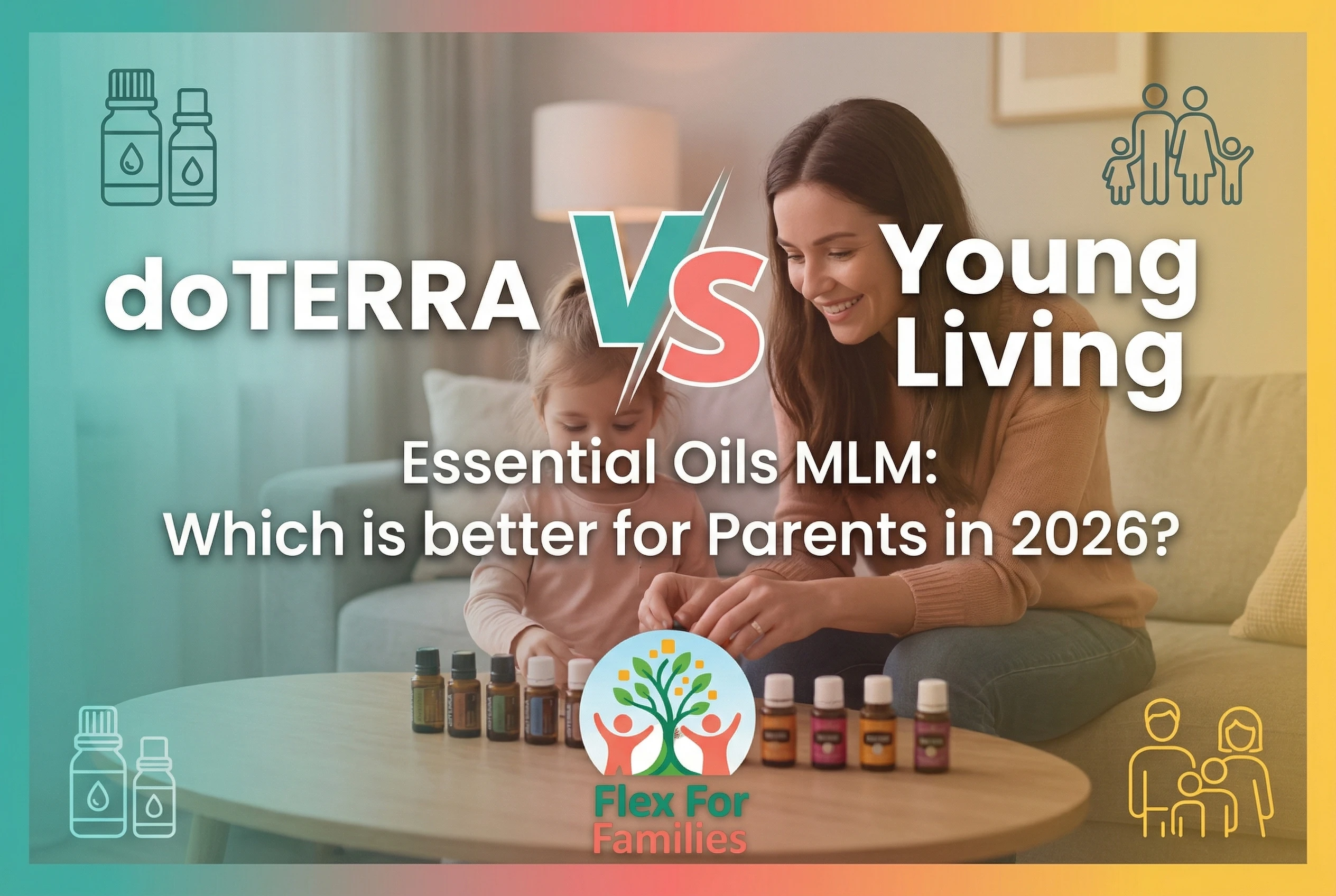
If you’ve been looking into essential oils as a way to make money from home, you’ve probably come across both doTERRA and Young Living.
They are two of the biggest names in the essential oils MLM space.
Both focus on natural wellness, both are heavily promoted on social media, and both promise flexible income from home.
On the surface, they look very similar.
Essential oils. Lifestyle marketing. Community-driven businesses.
But once you look closer, there are some key differences in how they operate and how easy they are to build.
So the real question is simple.
Which one is actually better for parents looking to earn from home?
In this comparison, you’ll see how they stack up across products, costs, earning potential, and what it really takes to make them work.
doTERRA vs Young Living: Quick Verdict
Easier to Start: Both are similar with low entry costs
Easier to Sell: doTERRA, slightly more modern branding and positioning
Higher Income Potential: Both are similar and depend heavily on recruitment
Best for Beginners: doTERRA, due to clearer product positioning
Overall Verdict: Both doTERRA and Young Living rely on niche products, customer education, and recruitment to generate income. For most parents, neither offers a flexible or scalable way to make money from home.
Better Alternative: If you’re looking for something more flexible and reliable, it’s worth exploring other options before committing.
👉 Thinking About MLMs, Surveys, or Side Hustles? Read This First
What Is doTERRA Vs Young Living?
Both companies operate in the essential oils MLM space.
They focus on natural wellness, daily routines, and lifestyle-based selling.
But they position themselves slightly differently.
doTERRA at a Glance
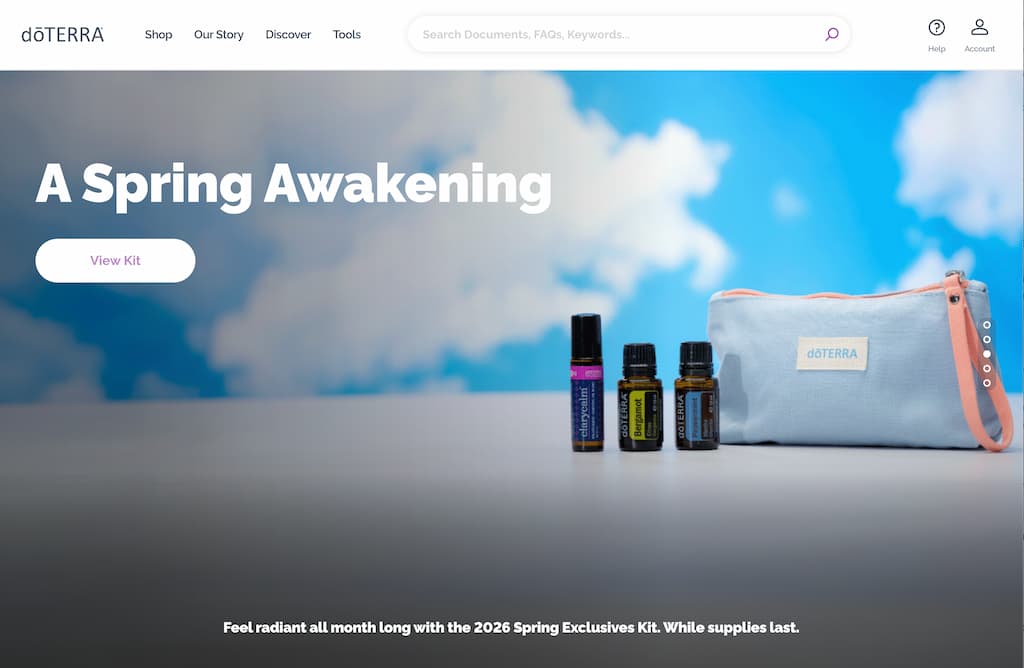
- Founded in 2008
- Focus on essential oils and wellness products
- Strong modern branding and global growth
- Heavy use of social media and community marketing
doTERRA is often seen as the newer, more modern option.
Young Living at a Glance
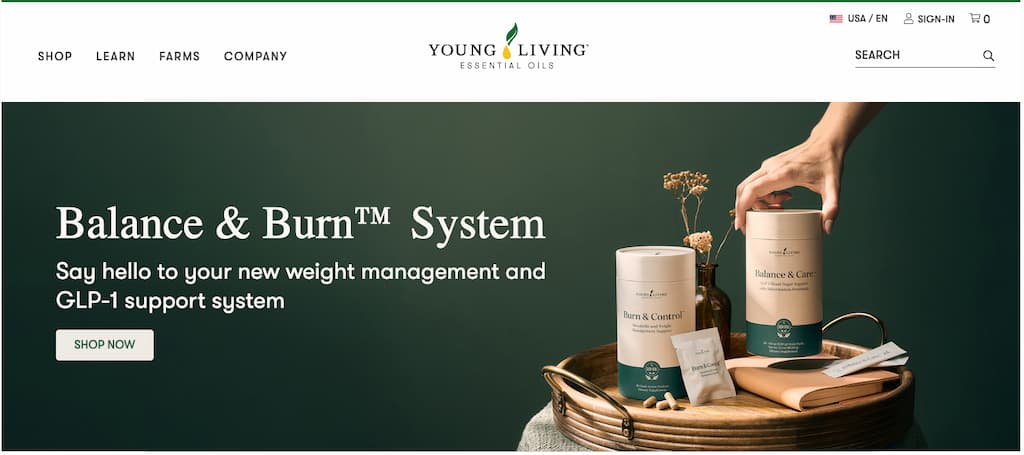
- Founded in 1993
- One of the original essential oils MLMs
- Strong emphasis on sourcing and product origins
- Long-standing brand reputation
Young Living is often seen as the more established brand.
Key Difference
- doTERRA leans toward modern marketing and accessibility
- Young Living leans toward heritage and brand trust
In practice, both operate very similarly.
New to MLMs?
If you are still figuring out how MLMs work, what the risks are, and whether this type of model fits around family life, start with my full MLM for Parents guide.
Read the Full GuideProducts Compared
Both companies sell very similar products.
This is one of the biggest reasons they are often compared.
doTERRA Products

- Essential oils and oil blends
- Diffusers and accessories
- Skincare and personal care
- Supplements and wellness products
Key 특징:
- Clean, simple product positioning
- Strong focus on everyday use
- Bundles designed for beginners
Young Living Products
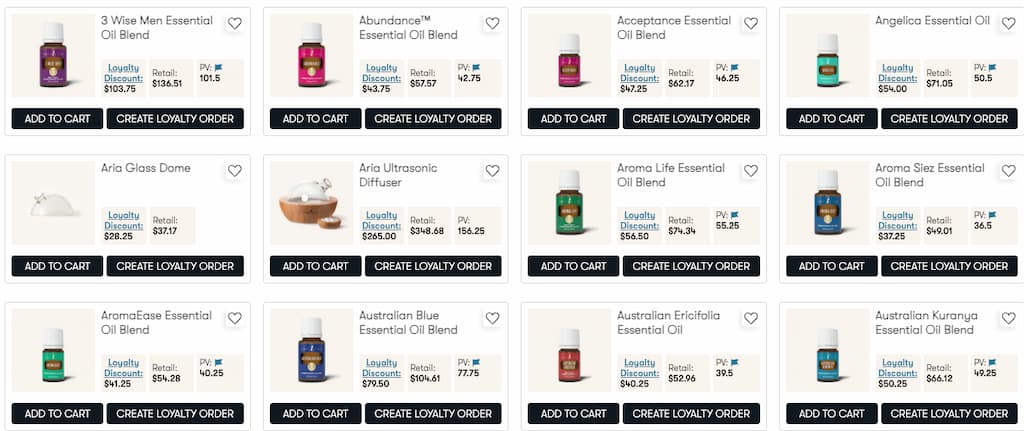
- Essential oils and oil blends
- Diffusers and accessories
- Skincare and personal care
- Supplements and wellness products
Key:
- Strong focus on sourcing and purity
- Wider range of niche products
- Long-standing product reputation
What This Means in Practice
For most people, there is very little difference.
- Both sell similar products at similar price points
- Both rely on customers believing in essential oils
- Both require education before selling
This leads to the same challenge.
You are not just selling products. You are:
- Explaining the benefits
- Building trust
- Creating demand
Simple Takeaway
- doTERRA is slightly easier to approach as a beginner
- Young Living benefits from brand history and trust
- Both rely on the same niche and selling approach
How the Business Model Works
Both doTERRA and Young Living use the same core MLM structure.

You sell products. You can recruit others. You earn from both.
The difference is not the model. It’s how they present it.
doTERRA Business Model
- Focus on simple product messaging
- Strong use of social media and online content
- Encourages sharing routines and lifestyle
- Community-driven selling
The goal is to make oils feel easy to use and easy to recommend.
Young Living Business Model
- Focus on brand heritage and sourcing
- Strong emphasis on product quality and story
- Community and lifestyle-led selling
- Often built through personal networks
The goal is to build trust through brand credibility.
Key Difference
- doTERRA focuses on accessibility and simplicity
- Young Living focuses on trust and long-standing reputation
But in practice, both require the same thing.
Consistent effort.
How You Make Money (Side-by-Side)
At their core, both companies pay in the same ways.

Retail Sales
doTERRA
- Earn from selling oils and wellness products
- Often promoted through routines and daily use
Young Living
- Earn from selling oils and wellness products
- Often promoted through product stories and trust
Recruitment and Team Income
doTERRA
- Build a team of distributors
- Earn from their sales and activity
Young Living
- Build a team of distributors
- Earn from their sales and activity
Repeat Income Potential
doTERRA
- Repeat purchases through regular use
- Income depends on customers reordering
Young Living
- Repeat purchases through loyalty and brand trust
- Income depends on customers staying engaged
Reality Check
This is where things become clear.
Despite the branding differences, both models share the same challenges.
- Retail sales alone are rarely enough
- Recruitment becomes important for growth
- Income depends on consistent activity
Across the MLM industry:
- Around 90 to 99 percent of people do not make significant income
What This Means for Parents
Both options require:
- Regular content or conversations
- Ongoing selling
- Time to build trust
If your time is limited, progress can be slow.
Still deciding between these two?
At this point, many people realise that even though the branding is different, both models rely on consistent selling and effort to earn anything meaningful.
If you’re a parent looking for a flexible way to make money from home, it’s worth understanding what actually works before you commit.
This guide breaks it down clearly:
👉 Thinking About MLMs, Surveys, or Side Hustles? Read This First
Costs Compared
Both doTERRA and Young Living are easy to join.
But the real costs show up after you start.
Startup Costs
doTERRA
- Low sign-up cost
- Starter kits available
- Encouraged to buy oils upfront
Young Living
- Low sign-up cost
- Starter kits available
- Encouraged to buy oils upfront
At this stage, both feel affordable.
Ongoing Costs
This is where most people underestimate the commitment.
doTERRA
- Regular product purchases
- Replacing oils for personal use
- Marketing and content costs
Young Living
- Regular product purchases
- Replacing oils for personal use
- Marketing and content costs
Hidden Costs to Consider
Both models include costs that are easy to overlook.
- Time spent educating customers
- Creating content or messaging people
- Training or events
- Discounts or offers to attract buyers
Cost Summary
- Both have low entry costs
- Both require ongoing spending
- Total costs can add up quickly
There is very little difference between them here.
Earning Potential Compared
This is the section that matters most.
doTERRA Earning Potential
- Built on product sales and repeat use
- Income grows with customer base and team
- Requires consistent activity
In reality:
- Sales depend on educating customers
- Growth often requires recruitment
Young Living Earning Potential
- Built on product sales and repeat use
- Income grows with customer base and team
- Requires consistent activity
In reality:
- Sales depend on trust and brand positioning
- Growth often requires recruitment
Side-by-Side Reality
- Both rely on niche products
- Both require ongoing effort
- Both depend heavily on recruitment for higher income
Industry Reality
Across both models:
- Most people earn little or nothing
- Many earn less than they spend
MLM income data consistently shows:
- Around 90 to 99 percent of participants do not make significant income
What This Means for You
Both options require:
- Consistent selling
- Customer education
- Ongoing engagement
For most parents, this creates:
- Unpredictable income
- Slow progress
- High time investment
Simple Takeaway
- Costs are very similar
- Earning potential is very similar
- Both require consistent effort to generate income
Pros and Cons Comparison
Here is a comparison of the Pros and Cons for both doTERRA and Young Living:
doTERRA Pros
- Clear and simple product positioning
- Strong modern branding
- Easier to introduce to new customers
- Active social media presence
- Good support and community
doTERRA Cons
- Products can be expensive compared to alternatives
- Requires education before selling
- Most people earn little after costs
- Strong reliance on recruitment for growth
- Income is not guaranteed
Young Living Pros
- Long-standing brand with strong reputation
- Loyal customer base
- Focus on product sourcing and quality
- Established global presence
- Clear system for building a business
Young Living Cons
- Products can be expensive compared to alternatives
- Requires education before selling
- Most people earn little after costs
- Strong reliance on recruitment for growth
- Income is not guaranteed
Which Is Better for Parents?
This is the question that matters most.
Time Required
- doTERRA requires consistent content and engagement
- Young Living requires time to build trust and relationships
Both demand regular effort.
Ease of Selling
- doTERRA is slightly easier to introduce due to simpler messaging
- Young Living relies more on brand trust and explanation
doTERRA has a small edge here.
Income Potential
- Both offer similar earning structures
- Both rely heavily on recruitment for growth
There is no clear winner.
Pressure Levels
- doTERRA focuses on consistent promotion
- Young Living focuses on building belief and trust
Both can feel demanding.
Flexibility for Parents
Neither model is truly flexible.
Both require:
- Ongoing activity
- Regular engagement
- Consistent selling
If you step back, income usually drops.
Final Comparison
- doTERRA is slightly easier to start and sell
- Young Living benefits from brand history
- Both operate in the same niche with the same challenges
Simple Answer
If you had to choose:
- doTERRA is slightly more beginner-friendly
- Young Living may suit those who value brand heritage
But for most parents, neither is ideal.
They do not offer the flexibility or scalability many people are looking for.
Final Verdict: doTERRA vs Young Living
Both doTERRA and Young Living look appealing on the surface.
Natural products. Flexible income. Strong communities.
But when you break it down, they are very similar.
To make either work, you need to:
- Educate customers about essential oils
- Promote consistently
- Build trust over time
- Recruit and support a team
That takes time and ongoing effort.
For most parents, that’s the challenge.
These are niche products. Sales take time. Income depends on activity and other people.
If you stop, income slows down.
So Which One Wins?
If you had to choose:
- doTERRA is slightly easier to start and promote
- Young Living benefits from brand history and trust
But the difference is small.
Both come with the same limitations.
The Bigger Picture
The real decision is not doTERRA vs Young Living.
It’s whether this type of model fits your life.
If you want:
- Flexible income
- Something that grows over time
- More control over your schedule
There are better options.
Before you choose between doTERRA or Young Living, read this first
Many parents compare MLMs without realising they share the same challenges.
If you want something more flexible, more reliable, and built around your schedule, there is a better path.
This guide shows you what actually works and what to avoid:
Let’s Chat
Have you looked into doTERRA or Young Living before?
Did one stand out to you, or did they feel very similar once you dug into how they actually work?
Drop a comment below and share your thoughts. It will help other parents make a more informed decision.