
Many parent bloggers worry that affiliate marketing means becoming a salesperson.
It doesn’t.
The best affiliate content rarely feels like marketing at all.
Instead, it helps readers solve problems, make decisions, and find tools that genuinely make life easier.
Think about the last time you bought something online.
There’s a good chance you read a review, compared a few options, or searched for advice before making a decision.
That’s exactly where affiliate blog posts fit in.
When written well, affiliate content feels helpful because it gives readers the information they are already looking for.
Quick Answer
The affiliate blog posts that convert best are usually the ones that help readers solve a specific problem or make a specific decision. Reviews, comparisons, beginner guides, problem-and-solution posts, and personal recommendations often outperform heavily promotional content because they build trust before asking readers to take action.
The good news is that you do not need a huge audience to make affiliate marketing work.
- You do not need complicated funnels.
- And you definitely do not need to sound pushy.
What you do need is the right type of content.
In this guide, I’ll walk you through 10 affiliate blog post ideas that consistently perform well, explain why they work, and show you how to use them in a way that feels natural for both you and your readers.
Whether you’re brand new to affiliate marketing or looking to improve the results you’re already getting, these post ideas can help you create content that supports your audience and generates income without sacrificing trust.
Why Some Affiliate Posts Convert, and Others Do Not

Some affiliate posts earn consistently for years. Others get clicks but no conversions. The difference is usually not the tool. It is the intent behind the post.
Affiliate posts convert when they do three things well:
- They solve a real problem.
- They make the next step obvious.
- They help the reader feel confident in their choice.
This matters even more for parents. Parents do not want extra noise. They want a shortcut that saves time, reduces stress, or helps them make progress without overwhelm.
Posts that do not convert often fall into these traps:
- They try to cover too much in one post.
- They recommend tools without context.
- They focus on features instead of real outcomes.
- They feel generic, like they could apply to anyone.
When your post feels specific to family life, it builds trust quickly. And trust is what drives conversions.
The 10 Affiliate Post Types That Convert Best

Not every affiliate post serves the same purpose.
- Some help readers compare options.
- Some build trust.
- Some help beginners take their first step.
The most successful affiliate bloggers use a mixture of post types because different readers are at different stages of the decision-making process.
The good news is that you do not need to create all ten immediately.
Start with the post types that fit your audience and your experience, then expand over time.
Which Affiliate Post Type Should You Choose?
| If Your Goal Is… | Best Post Type |
|---|---|
| Build trust | Honest Review Post |
| Help beginners | Step-by-Step Beginner Guide |
| Reduce overwhelm | Comparison Post |
| Solve a specific problem | Problem + Solution Post |
| Recommend favourite tools | What I Use Post |
| Answer buying objections | Is It Worth It? Post |
Now let’s look at the post types that consistently work well for affiliate marketing.
#1 The Honest Review Post
What it is: A detailed review of one product, tool, course, or platform based on real experience.
Why it converts: Readers are already considering a purchase. They are looking for reassurance, clarity, and honest feedback before making a decision.
Example headline: Is Wealthy Affiliate Worth It for Parents? My Honest Review
Best for: Readers who are close to buying and want confidence before taking the next step.
#2 The “What I Use” Tools Post
What it is: A behind-the-scenes look at the tools, platforms, and resources you personally use.
Why it converts: Readers trust recommendations more when they can see how a tool fits into a real workflow.
Example headline: The Blogging Tools I Use as a Busy Parent
Best for: Building trust while naturally introducing multiple affiliate opportunities.
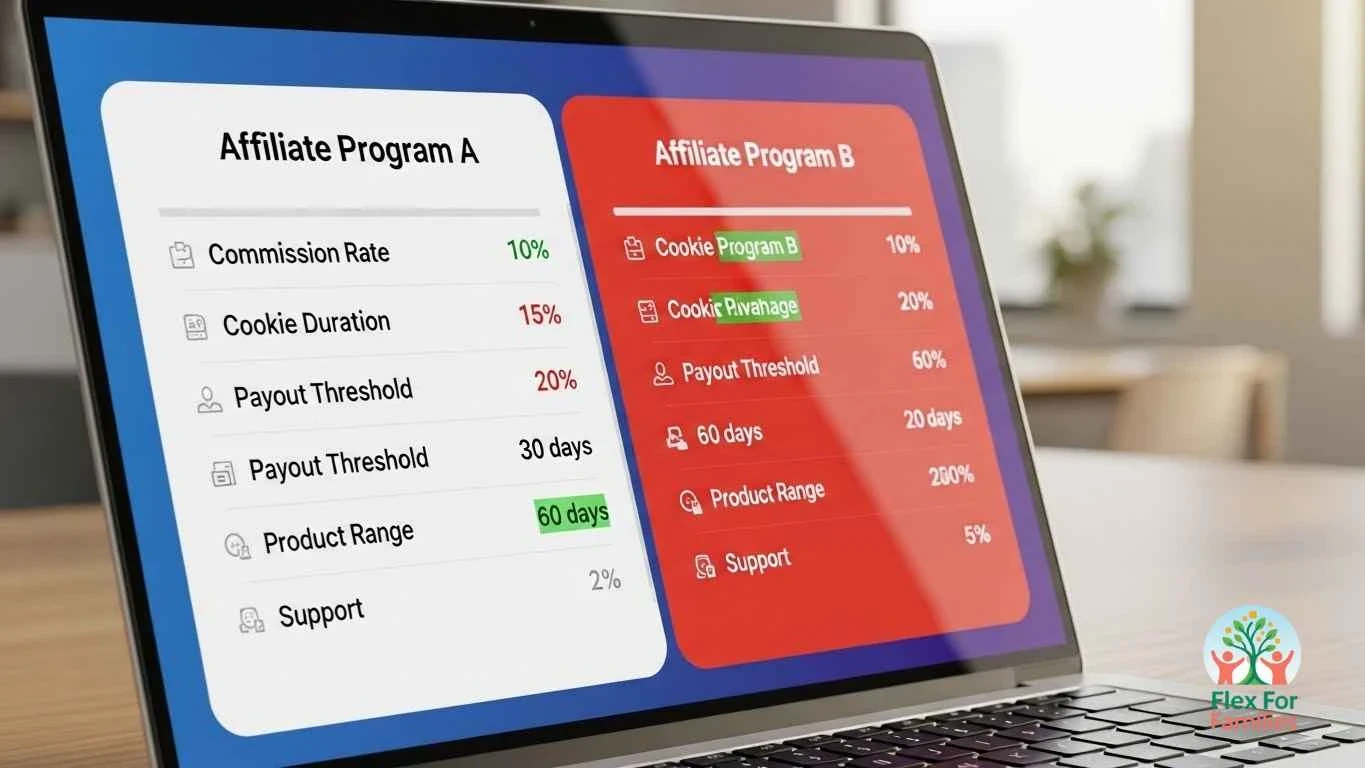
#3 The Comparison Post
What it is: A side-by-side comparison of two or more products.
Why it converts: Readers often know they need a solution but are unsure which option to choose.
Example headline: Wealthy Affiliate vs Bluehost: Which Is Better for Parent Bloggers?
Best for: Helping readers make decisions and reducing analysis paralysis.
#4 The Problem + Solution Post
What it is: A post focused on one challenge and the tool or resource that helps solve it.
Why it converts: The reader immediately recognises their problem and sees a practical next step.
Example headline: How to Start Affiliate Marketing Without Spending a Fortune
Best for: Creating highly targeted content around specific pain points.
#5 The Step-by-Step Beginner Guide
What it is: A tutorial that teaches readers how to accomplish something while naturally introducing helpful tools.
Why it converts: Readers receive value first and recommendations feel like part of the solution.
Example headline: How to Start Affiliate Marketing as a Busy Parent
Best for: Beginners who need guidance and structure.
#6 The Mistakes to Avoid Post
What it is: A post highlighting common mistakes and showing readers how to avoid them.
Why it converts: People often want to avoid costly errors more than they want to achieve success.
Example headline: 7 Affiliate Marketing Mistakes Parent Bloggers Make
Best for: Building credibility and helping readers make smarter decisions.
#7 The “Is It Worth It?” Post
What it is: A post that answers whether a product, service, or membership is worth the investment.
Why it converts: It directly addresses one of the most common buying objections.
Example headline: Is Canva Pro Worth It for Parent Bloggers?
Best for: Readers who are interested but hesitant.
#8 The Budget-Friendly Roundup
What it is: A curated list of free and affordable tools.
Why it converts: Budget-conscious readers appreciate practical recommendations that do not require large investments.
Example headline: Budget-Friendly Blogging Tools for Parents
Best for: New bloggers and beginners.
#9 The Real-Life Workflow Post
What it is: A behind-the-scenes look at how you use tools and systems in your daily routine.
Why it converts: Readers can see exactly how recommendations fit into real life.
Example headline: My Nap Time Blogging Workflow (Tools Included)
Best for: Demonstrating practical use cases and building trust.
#10 The Resource Hub Post
What it is: A central page that collects your favourite tools, resources, and recommendations in one place.
Why it converts: Readers are already looking for recommendations and are often ready to take action.
Example headline: My Parent Blogging Toolkit: Favourite Tools and Resources
Best for: Evergreen traffic and long-term affiliate income.
How to Choose the Right Affiliate Post for Your Audience
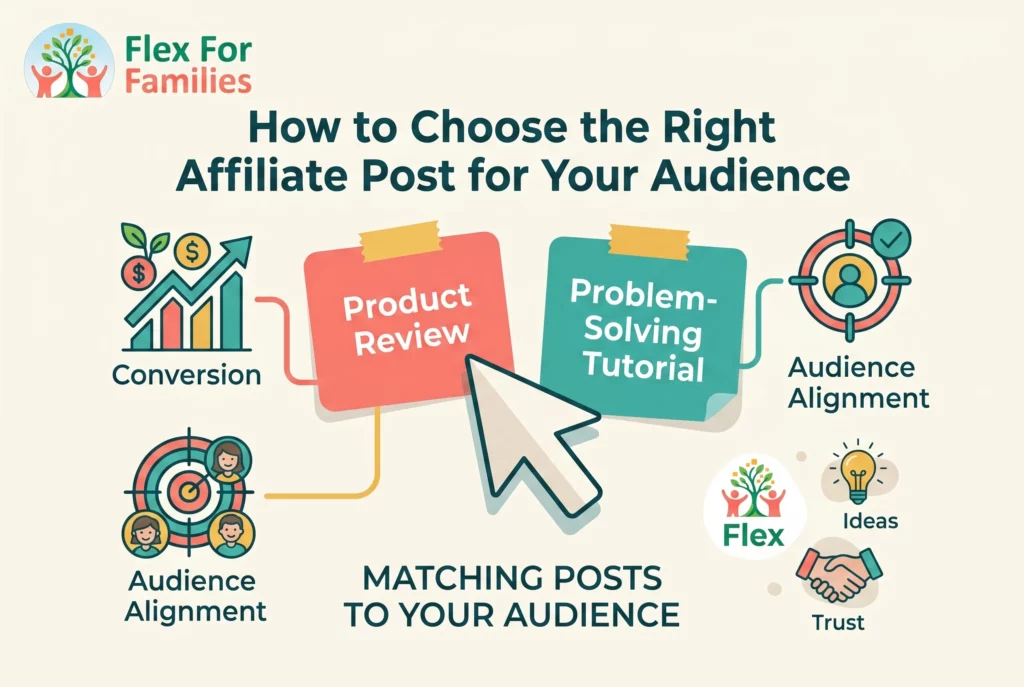
Now that you’ve seen the different affiliate post types, you might be wondering:
“Which one should I create first?”
The answer depends on where your audience is in their journey.
Different readers need different types of content.
Someone who has never heard of a tool needs a different post than someone who is already comparing options and ready to buy.
The easiest way to choose the right affiliate post is to think about what your reader needs most right now.
If Your Audience Is Brand New
Start with educational content and beginner guides.
These readers are still learning the basics and are not usually ready to make purchasing decisions.
Good options include:
- Step-by-Step Beginner Guides
- Problem + Solution Posts
- Mistakes to Avoid Posts
Examples:
- How to Start Affiliate Marketing as a Busy Parent
- 7 Affiliate Marketing Mistakes Parent Bloggers Make
- How to Start a Blog Without Spending a Fortune
The goal is to build trust first.
If Your Audience Is Comparing Options
These readers already know they need a solution.
They are simply trying to choose the best one.
Good options include:
- Comparison Posts
- Honest Review Posts
- “Is It Worth It?” Posts
Examples:
- Wealthy Affiliate vs Bluehost
- Is Canva Pro Worth It for Parent Bloggers?
- My Honest Wealthy Affiliate Review
The goal is to help readers make a confident decision.
If Your Audience Wants Recommendations
Sometimes readers simply want to know what works.
They are looking for shortcuts, proven tools, and real-life recommendations.
Good options include:
- What I Use Posts
- Resource Hub Posts
- Workflow Posts
Examples:
- The Blogging Tools I Use as a Busy Parent
- My Parent Blogging Toolkit
- My Nap Time Blogging Workflow
The goal is to show what works in practice.
Match the Post to the Problem
One mistake many affiliate bloggers make is creating the same type of post repeatedly.
Instead, think about the specific problem your audience is trying to solve.
Ask yourself:
- Are they learning?
- Are they comparing?
- Are they deciding?
- Are they looking for recommendations?
The answer usually tells you which post type to create next.
A Simple Content Plan for Parent Bloggers
If you’re unsure where to start, this sequence works well:
- Create a beginner guide.
- Add a problem + solution post.
- Publish an honest review.
- Create a comparison post.
- Build a resource page.
This gives you content for readers at different stages of the decision-making process while creating multiple opportunities for affiliate income.
Parent Tip
You do not need to write all ten post types immediately.
Start with the posts that naturally fit your experience and your audience’s biggest challenges.
A handful of helpful affiliate posts will usually outperform dozens of generic recommendations that do not solve a specific problem.
How to Write Affiliate Posts That Feel Helpful, Not Pushy

You do not need to change your voice to write affiliate content. You just need a few simple rules that keep posts clear and trustworthy.
Here’s what works best for parent blogs:
Lead with the problem, not the product.
Start by describing the struggle in real life terms. Then introduce the tool as a possible solution.
Give a clear outcome.
Instead of listing features, explain what the tool helps parents do, like save time, stay consistent, or reduce tech stress.
Be specific about who it is for and not for.
This builds trust fast. It also reduces refunds and regret, which keeps your audience confident in you.
Use one main offer per post.
If a post tries to sell five different things, readers lose focus. One clear next step converts better.
Place links where they make sense.
A link should feel like the next natural action, not a random interruption.
Keep your CTA calm.
Invite them to learn more, compare options, or read your full review. Pressure kills trust.
If you stay honest and keep it simple, affiliate posts can feel just like the rest of your content. Helpful. Parent-first. Real.
Where Affiliate Links Work Best in Parent Blogs
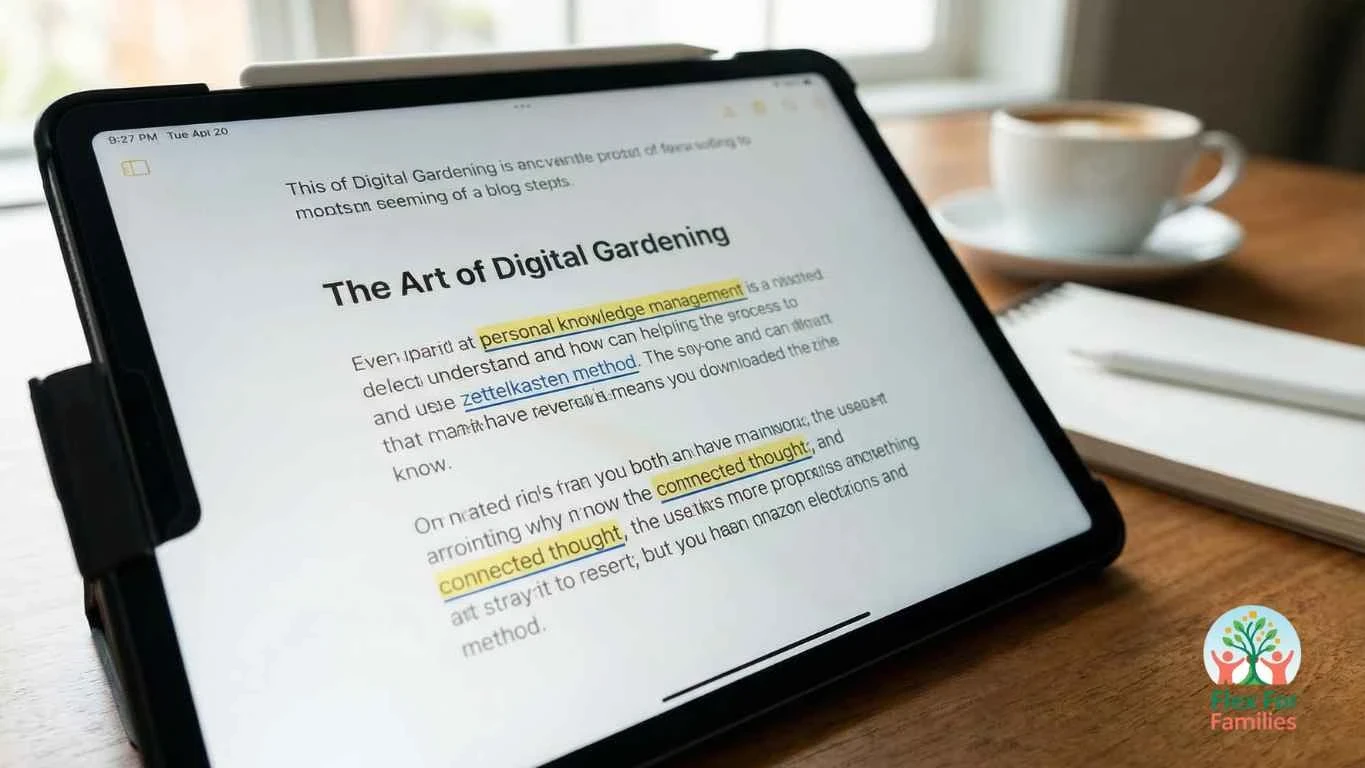
Where you place affiliate links matters just as much as what you link to. Parents are quick to tune out anything that feels pushy or out of place, especially when they are reading during short breaks.
The best-performing affiliate links usually appear where the reader is already expecting help.
Here are the placements that work well in parent blogs:
Contextual links within the content
These are links placed naturally in a sentence when you mention a tool or resource. They feel helpful because they appear at the exact moment a reader is thinking, “That sounds useful.”
Mid-post, after the value has been delivered
Once you have explained a concept or shared a personal example, a link feels like a logical next step. By this point, trust has already been built.
End-of-post CTAs
Parents who reach the end of a post are engaged. A calm call to action at the end feels like an invitation, not a push.
Resource or tools pages
Hub-style pages work well for affiliate links because readers are actively looking for recommendations. They are already in a decision-making mindset.
What tends to hurt trust is link overload. Too many links in one paragraph, repeated links to the same offer, or links placed before you have explained the why can feel distracting.
One clear link, placed with intention, almost always performs better than several scattered links.
A Simple Affiliate Content Plan for Busy Parents
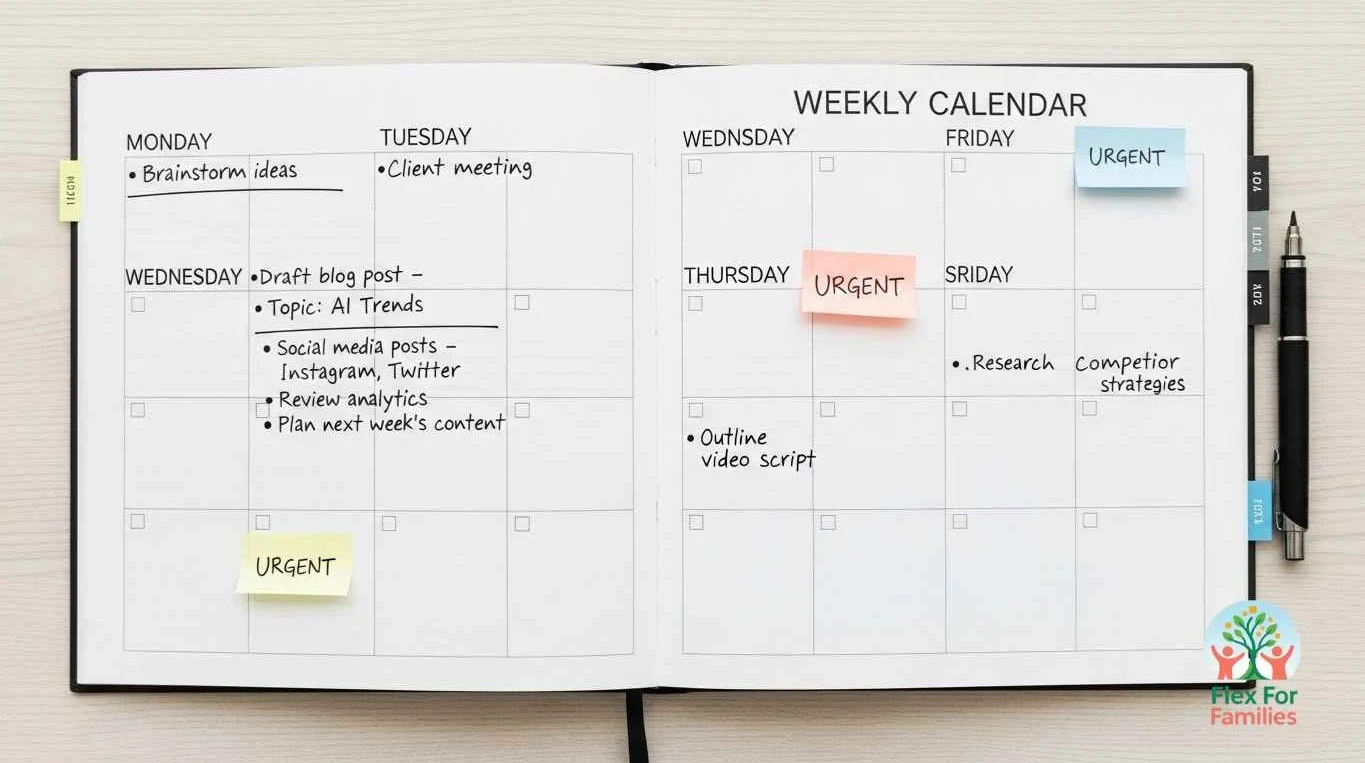
One of the biggest affiliate marketing mistakes is creating too much promotional content too quickly.
Parents visit blogs because they want help, guidance, and reassurance. They do not visit looking to be sold to.
That is why affiliate content works best when it sits alongside helpful, non-promotional content.
A simple content plan helps you build trust first and introduce recommendations naturally.
The 80/20 Approach
A good starting point is:
- 80% helpful content
- 20% affiliate-focused content
For every affiliate post you publish, create several posts that educate, inspire, or solve problems without asking readers to buy anything.
This helps you:
- build trust
- attract search traffic
- grow authority
- create natural opportunities for recommendations later
A Simple Monthly Content Plan
If you publish one post each week, a month might look like this:
| Week | Content Type | Example |
|---|---|---|
| Week 1 | Educational | How to Start a Parent Blog |
| Week 2 | Educational | Simple SEO Tips for Parent Bloggers |
| Week 3 | Affiliate | Wealthy Affiliate Review |
| Week 4 | Educational | How to Stay Consistent With Blogging |
This keeps your blog helpful while still creating income opportunities.
Let Educational Content Feed Affiliate Content
The best affiliate posts rarely work in isolation.
They are usually supported by helpful articles that answer related questions.
For example:
Educational Content
- How to Start Affiliate Marketing as a Busy Parent
- Affiliate Marketing Mistakes to Avoid
- How Affiliate Programs Work
↓
Affiliate Content
- Wealthy Affiliate Review
- Wealthy Affiliate vs Bluehost
- Is Wealthy Affiliate Worth It?
This creates a natural path for readers to follow.
Focus on One Offer at a Time
Many beginners try to promote multiple affiliate products at once.
This often creates confusion rather than conversions.
Instead, choose one primary recommendation and build supporting content around it.
This is one reason Wealthy Affiliate works well for Flex For Families. It naturally connects to:
- blogging
- SEO
- affiliate marketing
- flexible income
- beginner training
The recommendation fits the audience and the content.
Parent Tip
You do not need dozens of affiliate posts to earn commissions.
A small collection of helpful articles that solve real problems will often outperform a large library of promotional content.
Focus on helping first, recommending second, and trust will do much of the heavy lifting for you.
Common Affiliate Blogging Mistakes Parents Make

Most affiliate blogging mistakes are not caused by laziness or lack of effort. They usually come from trying to do too much, too quickly, while juggling family life.
One common mistake is promoting tools before trust is built. If a reader does not yet understand why a tool matters, they are unlikely to click, let alone buy. Helpful content always needs to come first.
Another is trying to include too many affiliate links in one post. Parents already deal with decision fatigue. When a post recommends five different tools at once, it becomes overwhelming instead of useful.
Some parents avoid affiliate posts altogether because they worry about sounding salesy. In reality, skipping affiliate content entirely often slows progress and leads to frustration later on. Honest recommendations are part of helping, not something to avoid.
There is also the mistake of promoting tools you do not use or understand. Parents value lived experience. Even a simple explanation of how something fits into your routine builds far more trust than a polished feature list.
Finally, many parent bloggers underestimate the value of consistency. One strong affiliate post that helps real people will outperform ten rushed ones every time.
Affiliate blogging does not need to feel complicated. When your focus stays on helping first and earning second, mistakes become learning points, not roadblocks.
What Affiliate Content Looks Like in the First 6 Months
One of the biggest misconceptions about affiliate marketing is that you publish a few posts, add some links, and commissions start appearing immediately.
In reality, affiliate content usually follows a much slower path.
The good news is that every post you publish becomes a long-term asset that can continue attracting readers and generating commissions long after it is written.
Understanding what realistic progress looks like can help you stay motivated during the early stages.
Month 1: Learning and Creating
Most of your time is spent:
- understanding affiliate marketing
- choosing products to recommend
- researching content ideas
- publishing your first affiliate posts
At this stage, earnings are usually zero.
That is completely normal.
Your focus should be on creating genuinely helpful content rather than worrying about commissions.
Month 2: Building Your Content Library
You begin adding more content around related topics.
You may create:
- beginner guides
- problem-and-solution posts
- honest reviews
- comparison articles
The goal is to build trust and give readers multiple ways to discover your recommendations.
Most affiliate links will still receive little attention at this stage.
Month 3: Early Search Visibility
Google may start indexing and ranking some of your content.
You might notice:
- impressions appearing in Search Console
- occasional affiliate link clicks
- readers spending time on your posts
- early signs of traffic growth
These are often the first indicators that your content strategy is working.
Month 4: First Clicks and Engagement
As traffic slowly grows, more readers begin interacting with your recommendations.
You may start seeing:
- affiliate link clicks
- email subscribers
- comments and questions
- readers exploring multiple posts
For many parent bloggers, this is the first point where affiliate marketing starts feeling real.
Month 5: Content Starts Working Together
This is where your content library becomes increasingly valuable.
Your:
- beginner guides
- reviews
- comparisons
- resource pages
begin supporting one another through internal links and reader journeys.
Instead of relying on a single post, your blog starts functioning as a connected system.
Month 6: Early Affiliate Momentum
By six months, many parent bloggers begin seeing the first signs of consistent affiliate activity.
This does not necessarily mean large commissions.
It often means:
- regular clicks
- growing traffic
- better rankings
- improved content confidence
- a clearer understanding of what readers need
Most importantly, you now have a foundation you can continue building upon.
What Successful Parent Bloggers Focus On
The parents who succeed with affiliate marketing rarely obsess over daily commissions.
Instead, they focus on:
- creating helpful content
- solving real problems
- building trust
- improving existing posts
- staying consistent
The commissions are usually the result of those activities, not the starting point.
Parent Tip
Do not judge your affiliate marketing progress by income alone during the first six months.
Instead, look for signs that your content is gaining traction:
- impressions
- rankings
- clicks
- engagement
- returning visitors
Those are often the signals that future commissions are being built behind the scenes.
FAQ: Affiliate Blog Post Ideas That Convert
What affiliate blog posts convert best?
The best affiliate blog posts are usually reviews, comparison posts, beginner guides, “is it worth it?” posts, and problem-and-solution articles. These work because they help readers make decisions instead of simply pushing products.
Do affiliate blog posts work on small blogs?
Yes. Small blogs can still convert when the content solves a clear problem and reaches the right reader. You do not need huge traffic to make affiliate marketing work, but you do need trust and search-focused content.
How many affiliate posts should I publish?
There is no fixed number. A good starting point is one affiliate-focused post for every few helpful, non-promotional posts. This keeps your blog useful while still creating income opportunities.
How do I make affiliate posts feel less salesy?
Lead with the reader’s problem, explain the solution clearly, and only recommend tools you genuinely understand. Honest advice, personal examples, and clear “who it is for” guidance make affiliate content feel helpful.
Where should affiliate links go in a blog post?
Affiliate links work best when they appear naturally within helpful content. Good placements include contextual links, mid-post recommendations, comparison tables, resource sections, and end-of-post calls to action.
What affiliate post should I write first?
Start with a beginner guide, honest review, or problem-and-solution post. These are easier to write, useful for readers, and give you natural places to include affiliate recommendations.
Can affiliate content become passive income?
Affiliate content is not passive at first because it takes time to create helpful posts and build traffic. Over time, older posts can continue bringing readers, clicks, and commissions after they are published.
Final Word: Helpful Content Converts Best

One of the biggest surprises in affiliate marketing is that the highest-converting content often does not feel like marketing at all.
It feels like help.
Parents are not looking for more sales pitches. They are looking for solutions, shortcuts, honest opinions, and recommendations from people who understand their situation.
That is why affiliate marketing works so well when it is built around useful content.
- You do not need complicated funnels.
- You do not need thousands of followers.
- And you do not need to promote dozens of products.
What you do need is content that helps people solve problems and make confident decisions.
Start with one affiliate post type that feels natural to you.
- Maybe that is a review.
- Maybe it is a comparison.
- Maybe it is a beginner guide that walks readers through a process you have already learned yourself.
Then keep building.
Over time, those individual posts become a valuable library of content that can continue helping readers and generating income long after they are published.
Parent Tip
Whenever you are unsure whether an affiliate post will work, ask yourself:
“Would this still be helpful if there were no affiliate links in it?”
If the answer is yes, you are probably creating exactly the kind of content that builds trust and converts over time.
Ready to Build a Parent-Friendly Affiliate Marketing Strategy?
Affiliate marketing becomes much easier when you understand how content, SEO, and recommendations work together.
That is exactly why I created Flex For Families.
If you want a simple roadmap for building a blog, growing traffic, and creating flexible income around family life, start with the Parent Blogging Hub.
Inside, you’ll find practical guides, tutorials, and real-world examples designed specifically for busy parents.
You do not have to figure everything out alone.
Let’s Chat
What type of affiliate post are you planning to create first?
Will it be:
- an honest review?
- a comparison post?
- a beginner guide?
- a problem-and-solution article?
Or have you already published affiliate content on your blog?
I’d love to hear what is working, what feels challenging, and what questions you still have about affiliate marketing.
Drop a comment below and let me know.
The best affiliate strategies often come from real conversations with other bloggers who are figuring things out one step at a time.



You are right on the button here. If you make it sound salesy, people are turned off, but on the other hand if you address a problem they have and propose a solution, you will have way more success. Think of talking to a friend and then in the conversation mention what is working for you. Isn’t that how many items are recommended after all – word of mouth?
I also like the ‘is it worth it’ post, as I often click on these sorts of posts when I am looking at buying something, so I know from personal experience that this works.
Thanks so much, Michel. You’ve described that balance perfectly.
That “talking to a friend” mindset is exactly how affiliate content should feel. When you focus on the problem first and then naturally mention what’s worked for you, it stops being marketing and starts being a genuine recommendation. You’re right, that’s essentially how word-of-mouth works, just written down.
I’m glad you mentioned the “is it worth it” posts, too. Those are such a strong signal of buying intent, and as you said, most of us actively look for them when we’re close to making a decision. When they’re honest and balanced, they build trust very quickly.
Really appreciate you sharing your experience here. It reinforces that helping first almost always leads to better results than trying to sell upfront.
John
Hey John,
This is a smart, practical list. My best performers have been problem–solution guides with clear outcomes, side-by-side comparisons tied to use cases, and checklists that end with a single, helpful CTA. I also tag every link with UTMs so I know which posts actually earn and then double down on those angles.
Which formats convert best for you on cold traffic versus warm email readers? And how do you balance depth with a single CTA so posts feel helpful rather than salesy?
Marios
Hey Marios,
Love how you’ve laid that out. That problem–solution + clear outcome combo is hard to beat, especially when you’re tracking properly and letting the data guide the next move. UTMs from day one is such a smart habit, most people skip that and end up guessing what worked.
For me, cold traffic converts best with intent-led content. Things like:
“Is X worth it for Y?”
Comparisons framed around a specific use case
Clear “what to do next” posts where the reader already knows they have a problem
Those visitors usually want clarity, not depth overload. One strong CTA that naturally matches the post works best there.
With warm email readers, depth wins. I can share more context, personal experience, and even trade-offs without hurting conversions. The CTA tends to be softer, more like “this is what I use and why,” rather than a hard recommendation.
The balance piece is really about earning the CTA. I try to:
Solve the problem fully in the post
Be upfront about who the recommendation is and isn’t for
Keep it to one primary CTA so the reader isn’t pulled in five directions
If the content genuinely helps first, the CTA feels like a next step rather than a pitch.
Curious, do you adjust CTAs by traffic source as well, or keep them consistent and let performance decide?
Thanks,
John