
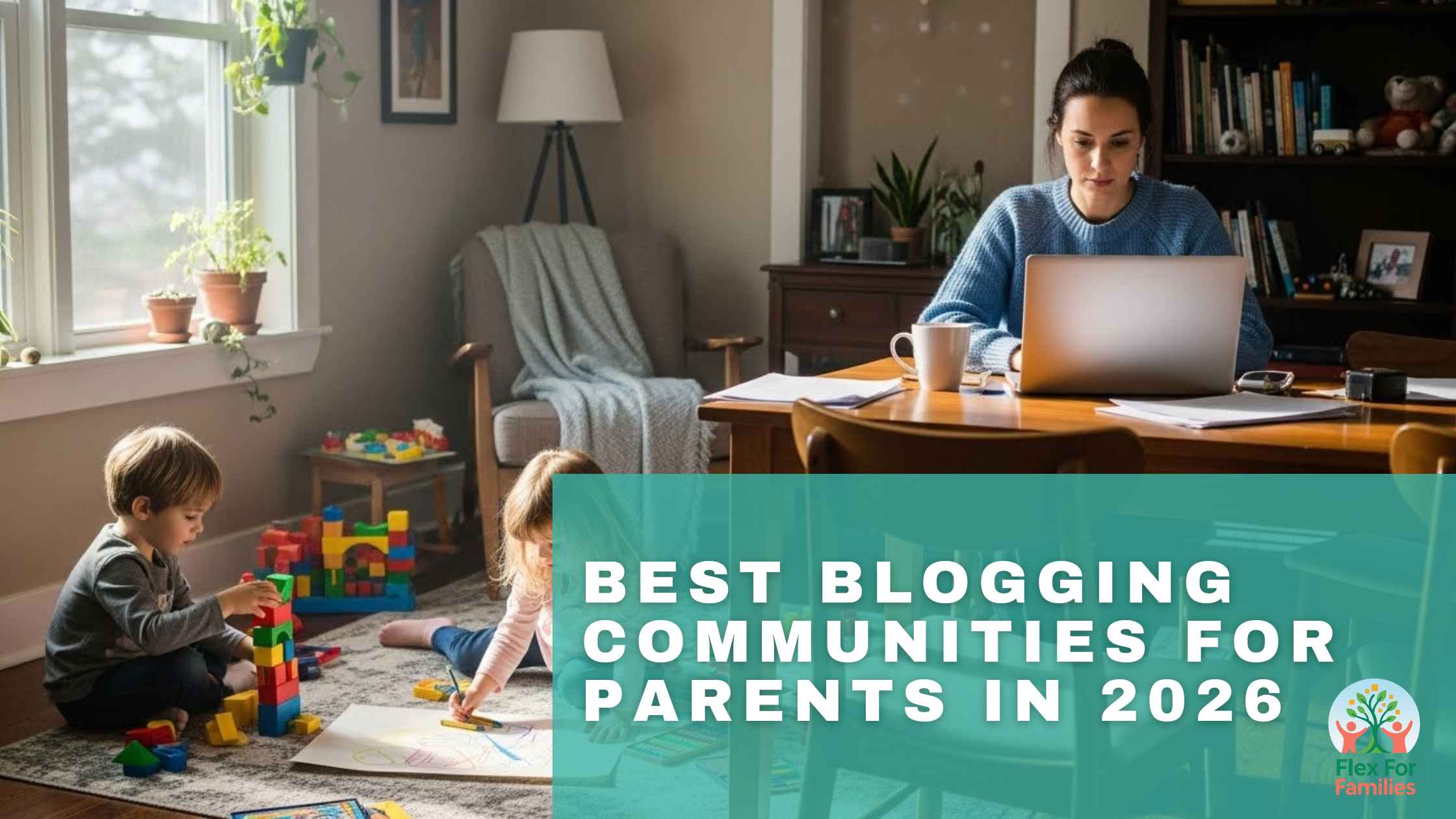
Blogging as a parent can feel surprisingly lonely.
You start with good intentions. A few blog posts. A quiet hour here and there. Then questions creep in. Am I doing this right? Is anyone even reading? Why does everyone else seem so far ahead?
Most parents do not quit blogging because they lack ideas or motivation. They quit because they feel like they are figuring everything out on their own.
That is why blogging communities matter, especially for parents.
In 2026, there are more online communities than ever. Some are helpful. Some are overwhelming. Some look supportive on the surface, but quietly drain your energy.
This post walks through the blogging communities that actually help parents. Not the loudest ones. Not the most hyped ones. The ones that support real life, messy schedules, and slow but steady progress.
What Parent Bloggers Actually Need From a Community

Parent bloggers need something very different from the average online business crowd.
Time is limited. Energy comes and goes. Progress often happens in small steps.
A supportive blogging community for parents should offer reassurance first and advice second.
Here is what truly helps.
Understanding of family life
Parents need to feel understood. Missed weeks. Sick kids. School holidays. A good community does not judge those pauses.
Practical guidance without jargon
Parents do not want complex strategies explained in confusing language. Clear answers and simple next steps matter.
Flexible expectations
Daily posting challenges and rigid timelines push parents away. Communities that respect different seasons help parents stay longer.
Encouragement over comparison
Seeing other parents at similar stages builds confidence. Constant comparison does the opposite.
Gentle accountability
Support that nudges without pressure helps parents keep going. Fear-based motivation does not.
When these elements are present, parents stop feeling behind and start feeling supported.
Why Generic Blogging Communities Often Fall Short for Parents

Many parents begin their blogging journey in general blogging or online business groups. That makes sense. They are easy to find and often free.
But over time, these spaces can start to feel uncomfortable.
Advice is often built for full-time creators
Posting schedules, income goals, and growth strategies are designed for people with long workdays and few interruptions.
The pace is overwhelming
Fast-moving conversations, constant updates, and endless resources can leave parents feeling like they are always catching up.
Self-promotion outweighs support
Many large groups become places to share links rather than help each other.
Comparison becomes hard to avoid
When progress is measured publicly and often loudly, parents may feel discouraged rather than inspired.
This is not because these communities are bad. They are just not built with family life in mind.
That is usually the moment parents realise they need a different kind of support.
The Five Types of Blogging Communities Parents Gravitate Toward
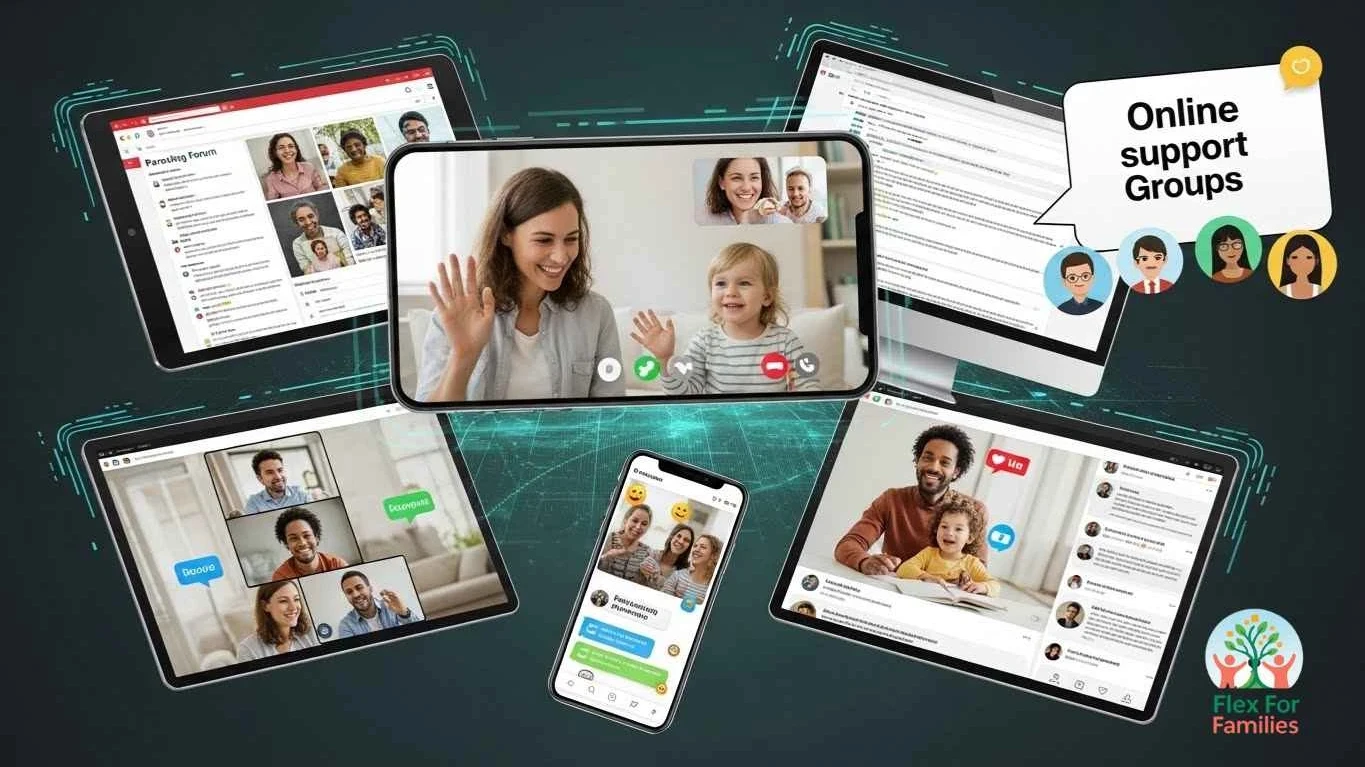
Once you start looking for support, you quickly realise there are a few main “types” of blogging communities. Each one has its own vibe, and each suits different seasons of parent life.
Here are the five types I see parents get the most value from in 2026.
#1 Parent-only blogging communities
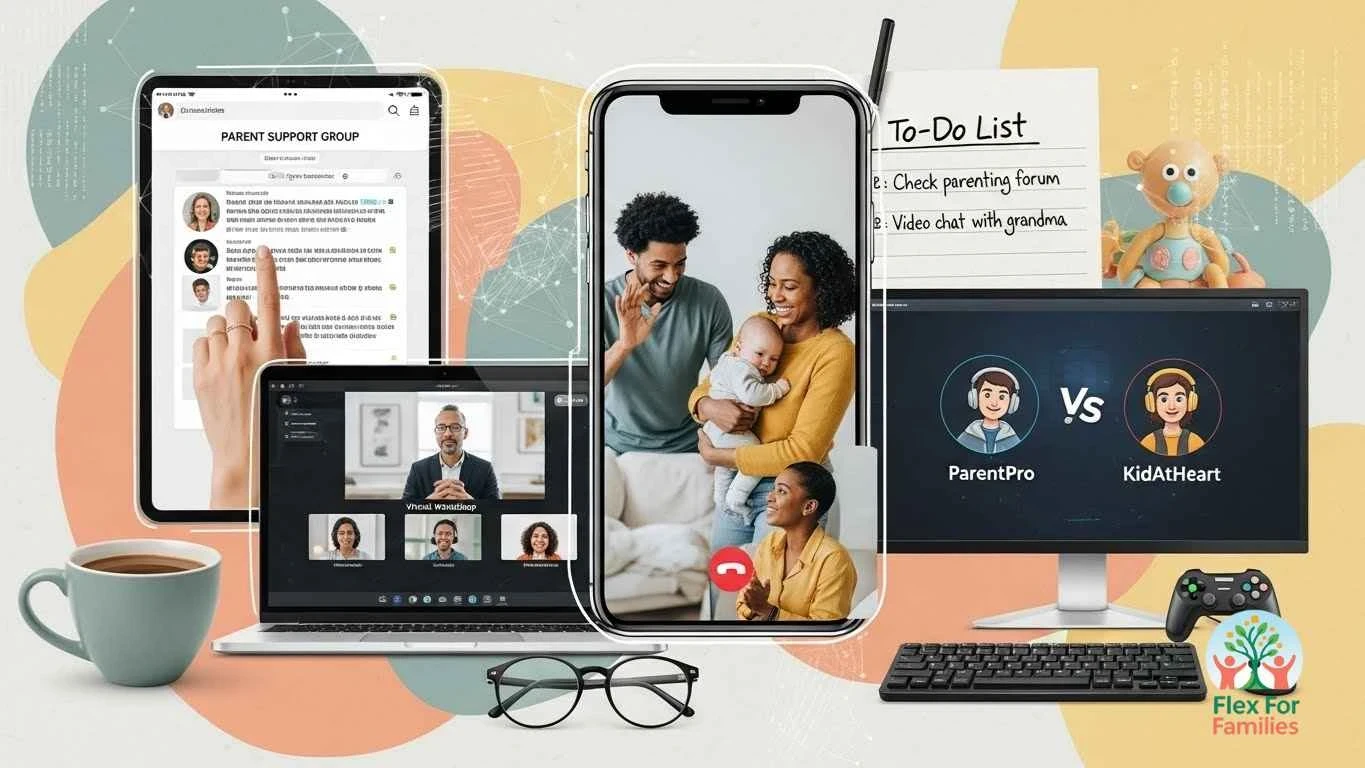
These are spaces built specifically for parents who blog or want to start one. They tend to feel calmer because everyone understands the juggle. You can ask basic questions without feeling behind, and you do not have to explain why your week disappeared.
#2 Free social media blogging groups
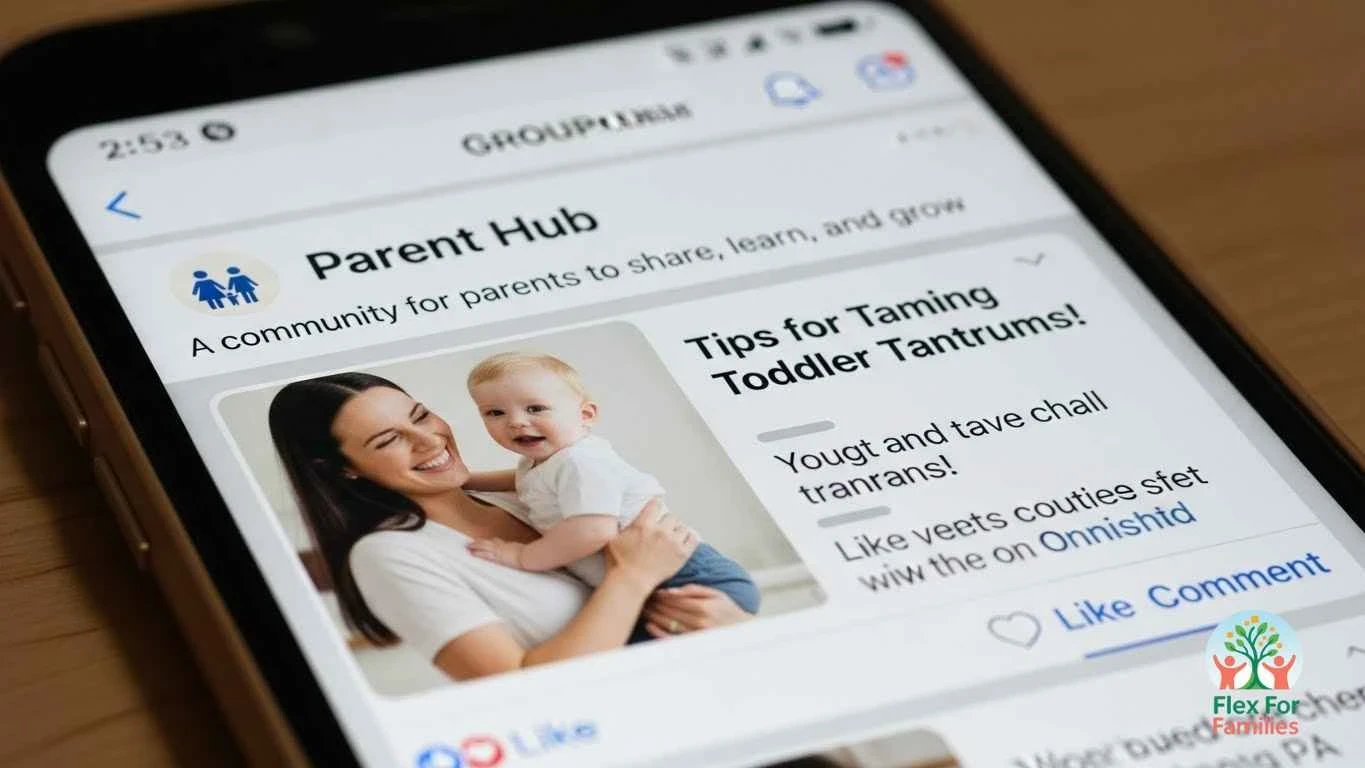
These are usually Facebook groups or similar communities. They can be useful for quick answers and general inspiration, especially early on. The downside is they can get noisy fast, and advice is not always parent-friendly.
#3 Course-based blogging communities
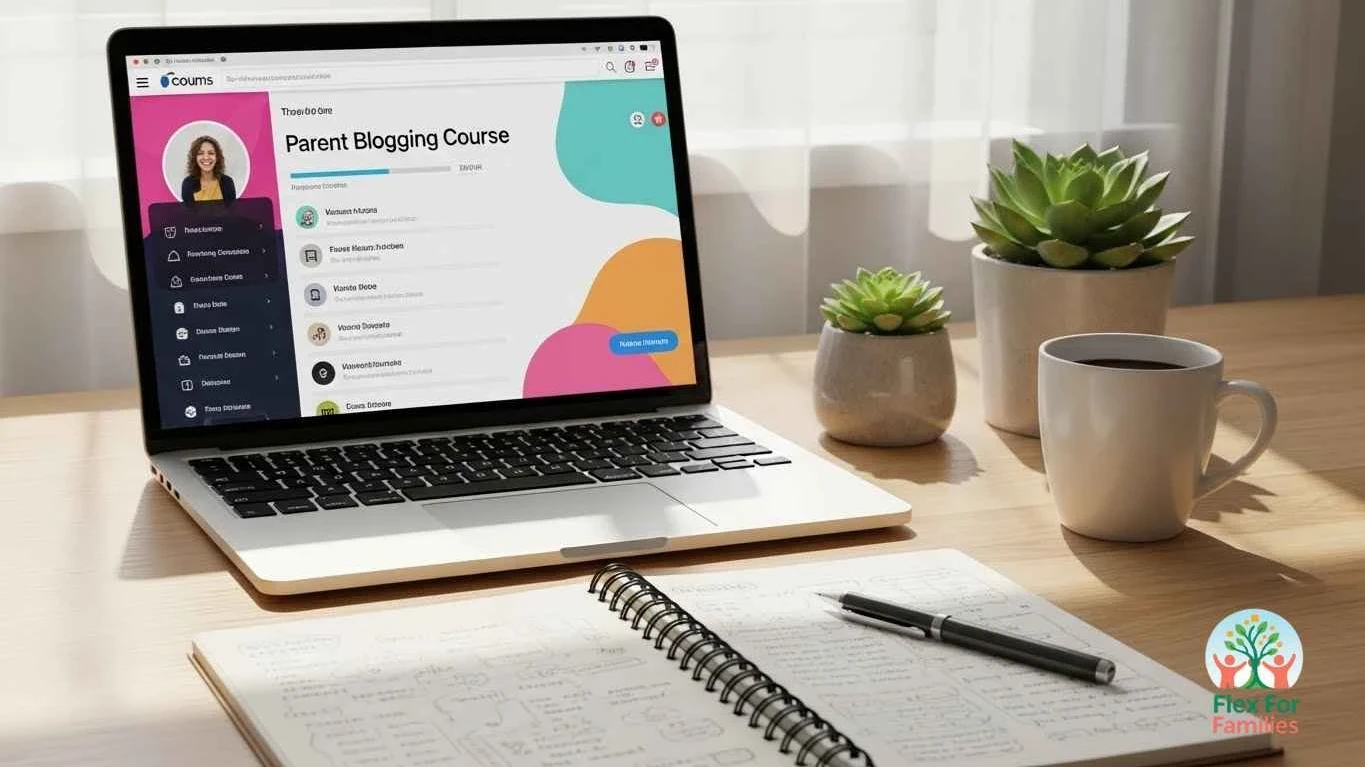
Some courses include a private community where members learn together. These can be helpful if you like structure and want to follow a clear path. The challenge for parents is that course timelines can feel rigid if your family life is unpredictable.
#4 Platform-based blogging communities
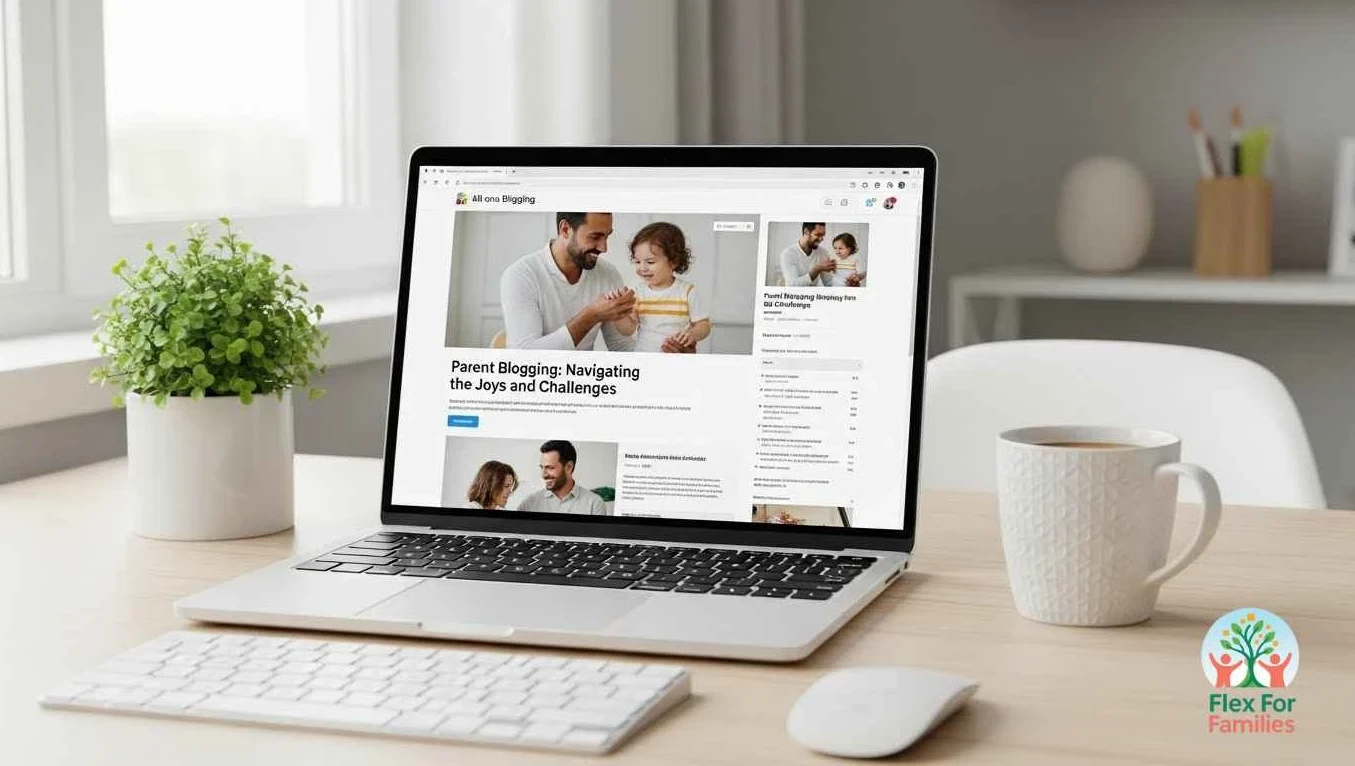
These communities live inside a platform that also provides tools and training. For parents, this can be a big relief because it reduces tool overload and gives you one place to learn, ask questions, and move forward. This type of community often supports long-term growth, not just quick wins.
#5 Niche-specific blogging communities

These are smaller groups built around a niche, like parenting, food, lifestyle, or affiliate marketing. They work well once you have a clearer direction, because the feedback and ideas tend to be more relevant to what you are building.
The good news is you do not need to pick the perfect community straight away. You can start with what feels supportive now, and shift as your blog and family season change.
The Pros and Cons of Each Community Type for Busy Parents
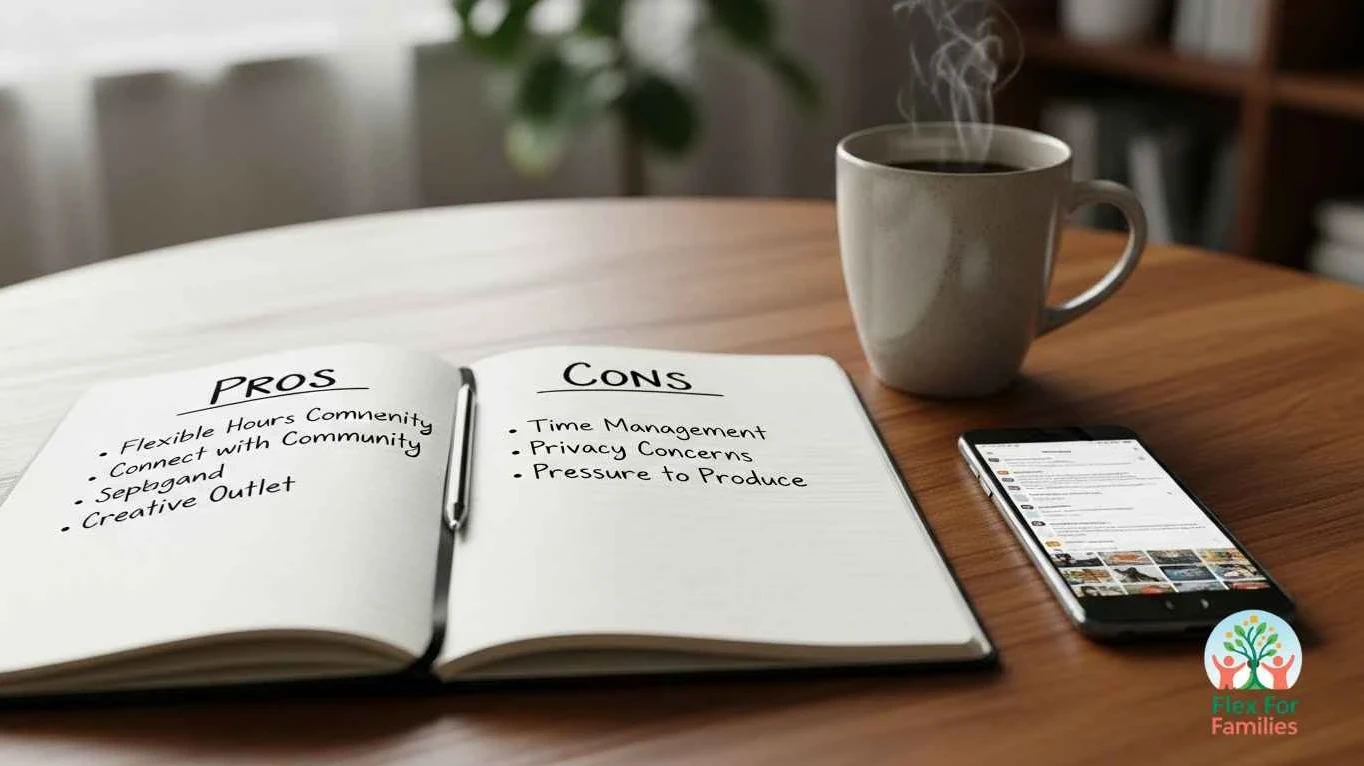
Each type of blogging community has its strengths, but none are perfect for every parent or every season.
Parent-only blogging communities
These are often the most emotionally supportive. Parents feel understood quickly and are more likely to ask questions. The downside is that some of these spaces focus more on encouragement than skill-building, which can slow progress if you are ready to grow.
Free social media blogging groups
They are easy to join and can be useful for quick questions. But they often come with noise, mixed-quality advice, and a lot of self-promotion. Many parents find these groups helpful early on, then draining over time.
Course-based blogging communities
These offer structure and clear learning paths, which can be comforting. However, the pace can feel intense when family life interrupts. Parents sometimes struggle to keep up and quietly disengage.
Platform-based blogging communities
These tend to work well for parents who want fewer tools and clearer direction. Learning, support, and tools live in one place. The trade-off is that they usually require a paid commitment, which means parents want to be confident that it fits their life before joining.
Niche-specific blogging communities
These shine when you want focused feedback and ideas that match your content. They are less useful at the very beginning, when you are still finding your direction and need broader guidance.
Understanding these pros and cons helps you choose support that works for where you are now, not where you think you should be.
How to Tell If a Blogging Community Is a Good Fit for Family Life

A good blogging community should feel like support, not another obligation.
Here are a few signs a community is parent-friendly.
It respects different seasons
Parents come and go as life changes. A supportive space welcomes returns instead of penalising breaks.
The tone is encouraging, not competitive
Growth is shared without comparison or pressure. Progress looks different for everyone.
Questions are welcome
There are no “basic” questions. Curiosity is treated as part of learning, not a weakness.
Support goes beyond motivation
Encouragement matters, but practical answers matter too. A good community offers both.
You leave feeling clearer, not heavier
After spending time there, you should feel more confident about your next step, not more overwhelmed.
If a community makes you dread logging in, it is not the right fit, no matter how popular it looks.
The right space should help you move forward at a pace that works for your family.
Where the Parent Blogging Hub Fits In

After spending time in different blogging communities, many parents realise they want something calmer and more intentional.
- Not a massive group that feels noisy.
- Not a rigid programme that adds pressure.
- Just a place where support, guidance, and real life can coexist.
That is exactly why the Parent Blogging Hub exists.
It is designed for parents who want to build a blog alongside family life, not instead of it. The focus is on steady progress, realistic expectations, and encouragement that fits messy schedules.
Inside the Hub, parents find clarity instead of overwhelm. You do not need to show up every day or keep pace with anyone else. You can dip in when you need support, ask questions without feeling behind, and move forward in small, manageable steps.
It works especially well for parents who are early in their blogging journey or returning after a break. The Hub provides a grounding space where you can reconnect with your goals, learn at your own pace, and feel supported while you figure things out.
For many parents, this kind of community becomes the foundation. A place to build confidence before deciding what tools, training, or next steps make sense later on.
When Parents Need More Than Just Community

Community is often the first thing parents need when they start blogging. It provides reassurance, shared experience, and a reminder that you are not doing this alone.
But as your confidence grows, your needs often change.
At some point, encouragement is not enough on its own. Questions shift from “Am I doing this right?” to “What should I focus on next?” and “How do I actually grow this?”
This is when parents start looking for clearer direction, skill-building, and tools that help them move forward without adding complexity. Not because the community failed, but because growth naturally asks for more structure.
The challenge is finding that next layer of support without losing the calm, family-first feeling that helped you start.
Some parents piece this together across multiple platforms. Others look for environments where learning, tools, and community sit side by side, so progress feels simpler and more sustainable.
Understanding this shift matters because it explains why support looks different at different stages. What you need at the beginning is not always what you need later, and that is completely normal.
In the next post, we will look more closely at why community support matters so much when you are building a blog from scratch, and how the right kind of environment can make the difference between giving up and keeping going.
FAQ: Blogging Communities for Parents

Do I really need a blogging community to succeed?
You can blog on your own, but many parents find community shortens the learning curve. Support helps you stay motivated, get unstuck faster, and avoid feeling isolated when progress feels slow.
Are free blogging communities enough for beginners?
Free groups can be helpful early on, especially for basic questions. Over time, many parents find they need more structure, clearer guidance, or a calmer space to keep moving forward.
What if I do not have time to engage regularly?
That is normal. A parent-friendly community should allow you to dip in when you need help and step back when family life takes priority. You do not need to be active every day for it to be useful.
How do I know if a community is right for me?
Pay attention to how it makes you feel. If you leave feeling clearer, encouraged, and supported, it is likely a good fit. If you feel overwhelmed or behind, it may not suit your current season.
Can I be part of more than one community?
Yes, but be mindful of overload. Many parents do best with one main supportive space and occasional input from others, rather than juggling too many groups at once.
Conclusion: Finding the Right Support for Your Season

There is no single best blogging community for every parent. What works depends on your goals, your time, and the season of family life you are in right now.
The most important thing is finding support that helps you keep going. A space where you feel understood, encouraged, and able to move forward without pressure.
Community is not about keeping up. It is about feeling supported enough to take the next small step.
If you start with a calm, parent-friendly space and allow your support system to grow with you, blogging becomes far more sustainable and a lot more enjoyable.
In the next post, we will dig deeper into why community support matters so much when you are building a blog from scratch, and how the right environment can make all the difference.
Let’s Chat
I would love to know.
Have you ever been part of a blogging community, or are you still trying to figure out where you fit?
What kind of support would help you most right now?
Encouragement, clear direction, accountability, or something else?
Drop a comment below and share where you are at. You are not alone in this, and your experience might help another parent reading along.


In 2026, the best blogging communities for parents are no longer just traditional forums or blogging platforms—they are ecosystems that combine support, visibility, and collaboration. Successful parent bloggers thrive in spaces where conversation happens first and content follows. Communities like parent-focused Facebook groups, Reddit parenting forums, established parenting networks, and guest-posting circles matter more than standalone platforms.
The real value of these communities is connection. Parents are drawn to authenticity, shared experiences, and practical advice, not polished influencer content. Blogging communities help parents validate ideas, stay relevant, and build trust with real audiences. In an increasingly saturated blogging space, belonging to the right community is often more powerful than publishing more posts.
Overall, in 2026, parent bloggers who engage consistently in interactive, niche-driven communities grow faster, build stronger brands, and maintain long-term relevance compared to those who blog in isolation.
This is such a strong addition to the conversation. Thank you for sharing it.
I really like how you described modern blogging communities as ecosystems rather than platforms. That’s exactly the shift we’re seeing. The growth doesn’t come from “posting more,” it comes from being part of spaces where conversations are already happening and where trust is built long before a link is shared.
Your point about conversation first and content second is essential for parent bloggers. Parents connect through shared experiences and practical advice, not polished perfection. When ideas are tested inside a community before becoming content, posts tend to land better because they’re rooted in real needs.
I also agree that belonging often matters more than reach. One engaged, niche community can move the needle far more than publishing in isolation and hoping the algorithm catches up.
Thanks again for such a thoughtful perspective. It really reinforces why community isn’t just “nice to have” anymore, it’s a core growth strategy for parent bloggers moving forward.
John
In 2026, the best blogging communities for parents are those that understand real family life and support steady, pressure-free progress. Parent-friendly spaces offer encouragement, simple guidance, and flexibility rather than competition or rigid expectations. The right community helps parents feel less isolated, stay motivated, and move forward at a pace that fits their time, energy, and family commitments.
This is such a strong way to sum it up, thank you for sharing this.
You’ve captured exactly what makes a blogging community parent-friendly. It’s not about competition, hustle, or rigid expectations; it’s about creating a space where real life is understood and steady progress is encouraged.
That pressure-free element is especially important. When parents feel supported rather than judged, they’re far more likely to keep showing up, even if progress looks slow or uneven from the outside.
I really appreciate you highlighting how the right community reduces isolation and helps parents move forward at their own pace. That sense of belonging is often what turns blogging from something people “try” into something they stick with long-term.
John